


Antique English Porcelain Tray
These pieces of antique english porcelain tray bring hand-painted motifs and refined ceramics to tea service and display.
Antique English Porcelain Tray
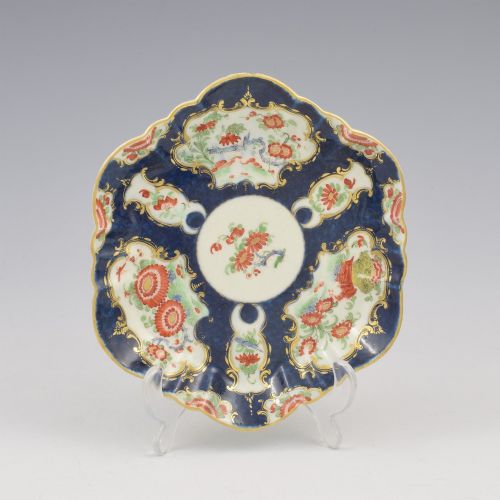
When you search for an antique english porcelain tray, you encounter a varied selection of serving dishes, decorative plates, and specialised platters created across multiple centuries. The objects range from eighteenth-century pickle dishes and teapot stands to nineteenth-century dessert dishes and twentieth-century cabinet pieces.
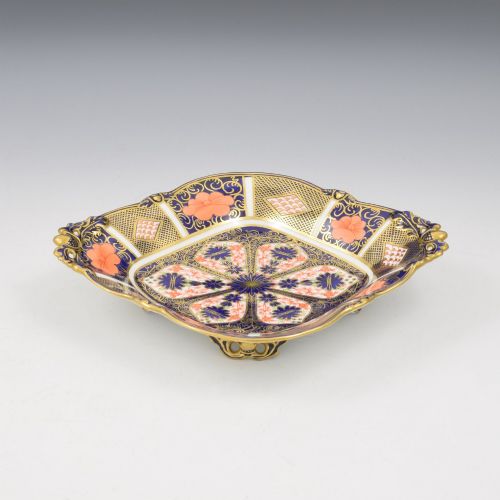
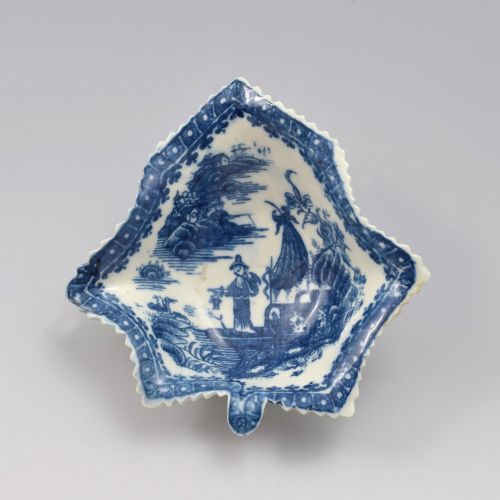
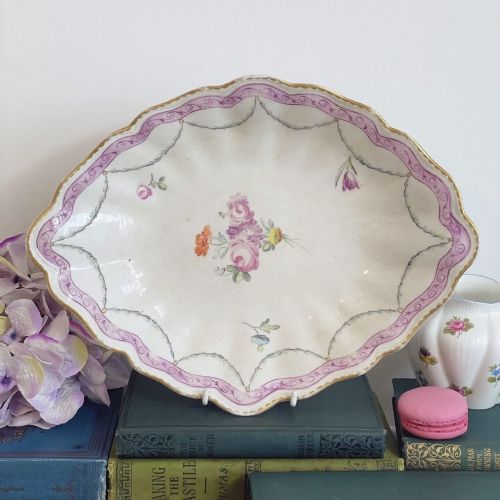
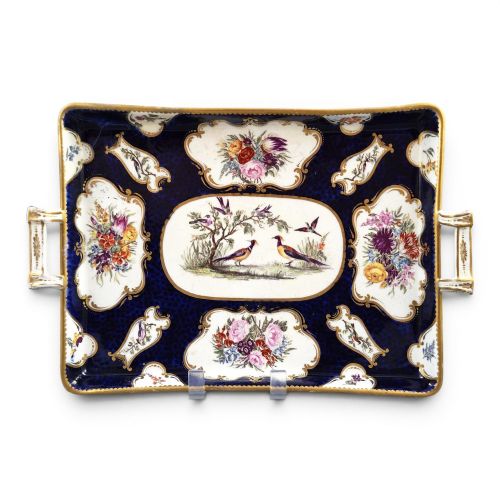
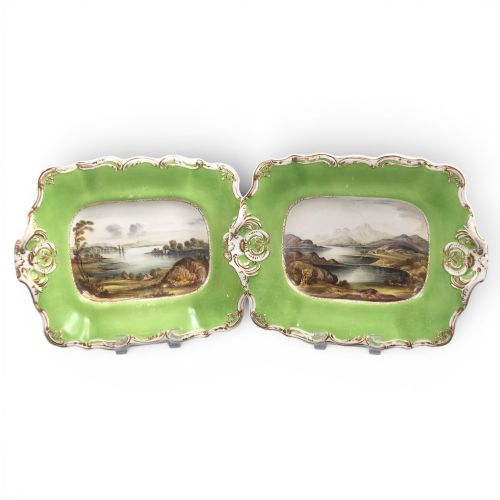
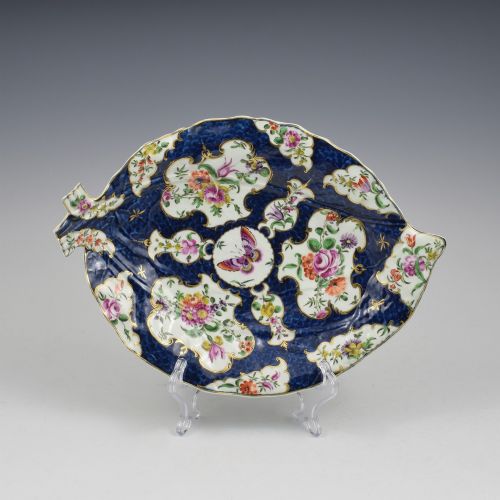
The most common examples on this page date from the Georgian, Regency, and Victorian periods, often taking the form of leaf-shaped dishes, scalloped trays, and rectangular platters. Makers utilise traditional shapes adapted for serving fruit, confectionery, or tea wares in wealthy households.
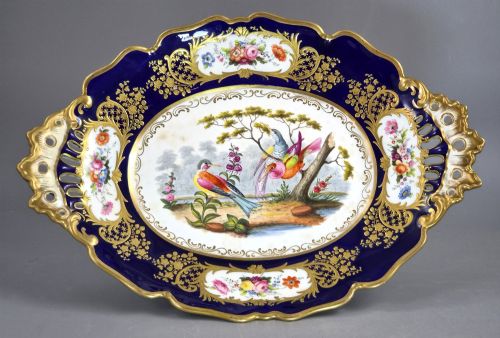
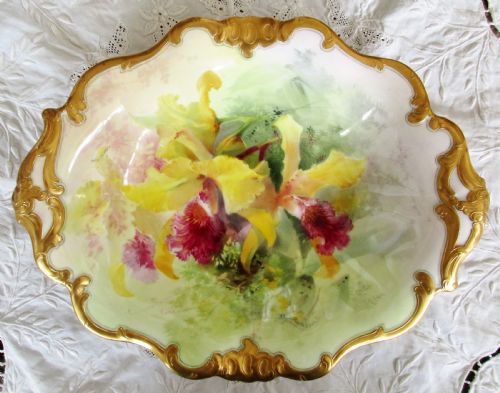
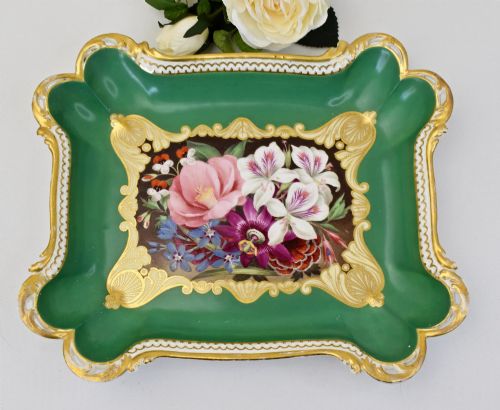
Earlier pieces frequently display underglaze blue scales, exotic birds, or delicate polychrome flowers derived from Asian porcelain traditions. Later nineteenth and twentieth-century examples shift towards elaborate gilding, botanical studies, and painted fruit scenes signed by notable studio artists.
How they were made
Potters shaped these vessels using soft-paste porcelain, bone china, or ironstone, fired at high temperatures to achieve a durable yet refined body. Artisans then applied delicate cobalt blue underglaze painting, hand-pencilled enamels, or transfer-printed motifs before a final transparent glaze firing.
Gilding was applied by hand using gold leaf or liquid gold, which required an additional low-temperature kiln firing to bond the metal to the porcelain surface. Moulded details, such as rococo scrolls or pierced rims, were shaped in the clay state before any decoration took place.
The listings feature pieces spanning the eighteenth century to the twentieth century, incorporating bone china, soft-paste porcelain, and ironstone.
What varies in quality
The standard of painting determines much of the distinction between ordinary production and top-tier execution. Precision in polychrome brushwork, the depth of cobalt blue scale grounds, and the crispness of hand-applied gilding separate standard factory output from master decorator pieces.
The complexity of the form also dictates the grade of the piece, with heavily moulded rococo contours, pierced lattice rims, and shaped leaf profiles requiring superior skill during both the potting and firing stages.
Royal Crown Derby·Caughley·Coalport·Royal Doulton·Copeland and Garrett·Doe and Rogers·Royal Worcester·Ridgway·Minton·Spode·Duesbury and Kean·Barr Flight and Barr·Mason·David Dewsberry·James Giles·P Love·R Sebright
The Antique English Porcelain Tray Glossary
- Soft-paste porcelain
- A ceramic composition containing glass frit and white clay, fired at lower temperatures than hard-paste porcelain. This body produces a warm, creamy glaze appearance characteristic of early English factories.
- Bone china
- A porcelain type incorporating animal bone ash, resulting in a strong, translucent white body. English potteries adopted this formula extensively during the nineteenth century.
- Underglaze blue
- A decorative technique where cobalt pigment is applied directly to the unfired ceramic body before glazing and firing. This method ensures the colour remains permanently sealed beneath the glassy surface.
- Enamel
- Opaque coloured glass powders mixed with a medium and painted over the fired glaze. A subsequent low kiln heat melts the pigments onto the plate.
- Ironstone
- A heavy, durable earthenware patented in the nineteenth century to imitate true porcelain. It offered high resistance to chipping while accommodating dense patterns.
Antique English Porcelain Tray: Frequently Asked Questions
What were porcelain trays used for?
These trays served functional roles in wealthy households, holding tea wares, small sweetmeats, fruit, or visiting cards in formal rooms. Pickle dishes and spoon trays accommodated specific dining customs at the table.
Over time, many of these utilitarian dishes transitioned into decorative cabinet pieces, displayed on sideboards or hung on walls to showcase fine artistry.
How do I date an antique porcelain tray?
Dating relies on examining the factory marks stamped, painted, or impressed on the underside of the piece, alongside stylistic clues. Blue crescent marks, script initials, and pattern numbers often correspond to specific decades of production.
The weight of the body, the type of porcelain paste, and the painting style also help narrow the period down from the eighteenth century through the twentieth.
What is the difference between soft-paste and bone china?
Soft-paste porcelain was the primary early English body, containing glass and white clay that created a slightly warm, creamy texture under the glaze. It frequently shows minor pooling in the glaze and subtle surface variations.
Bone china introduced bone ash to the formula, producing a harder, brilliantly white, and more translucent material that allowed factories to manufacture thinner, more uniform tableware.
How should I display and care for porcelain trays?
Display these items away from direct sunlight to protect vulnerable enamel colours and delicate gold leaf gilding from fading over the years. Use stable plate stands or secure wall hangers designed specifically for antique ceramics.
Clean them only by gentle hand washing in lukewarm water with mild soap when necessary, avoiding dishwashers and harsh scrubbing brushes entirely.