

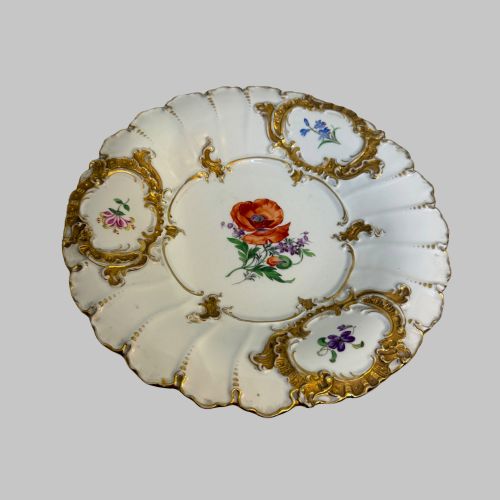
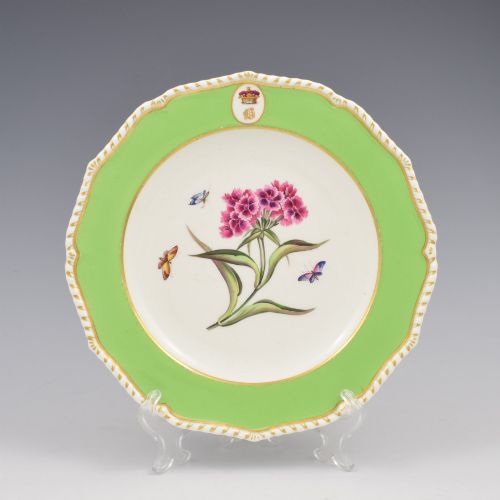

Botanical Porcelain Dish
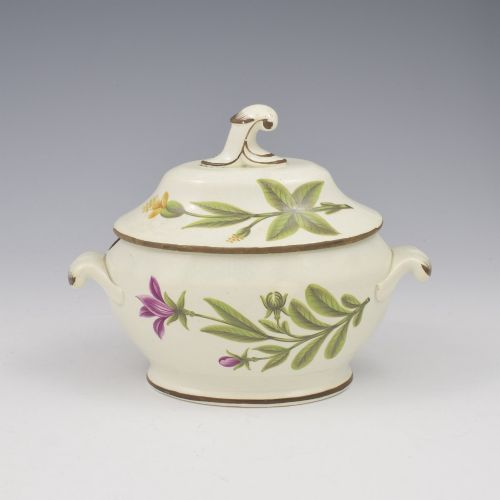
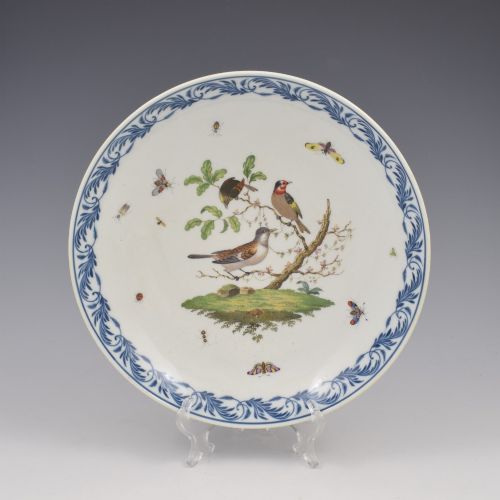
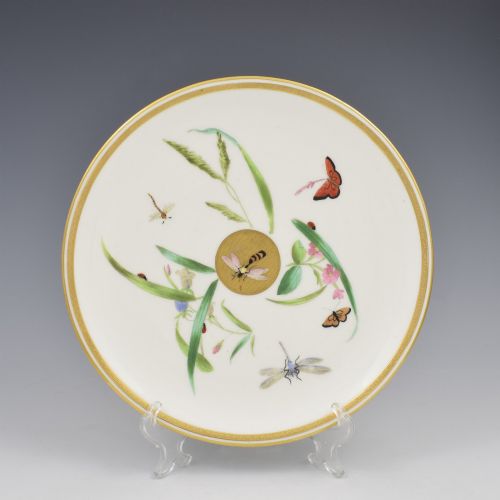
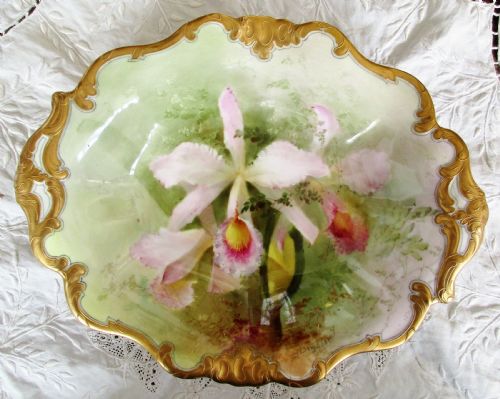
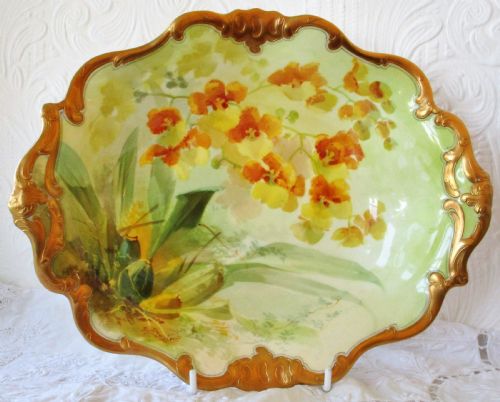
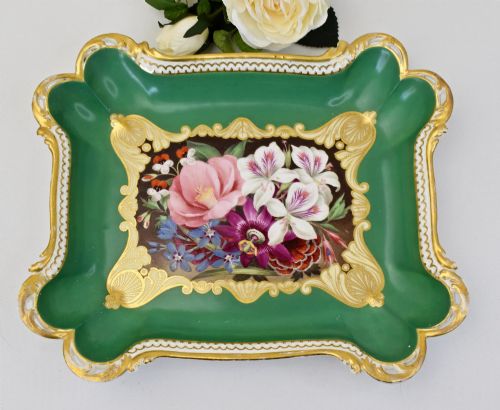
A botanical porcelain dish brings handpainted flora and ornithological studies from Georgian and Victorian potting rooms directly to the table.

Botanical Porcelain Dish
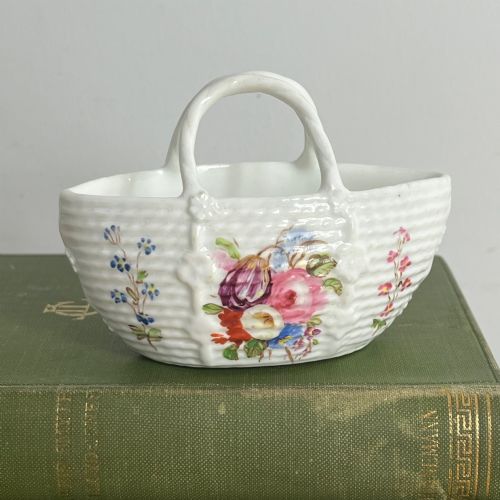
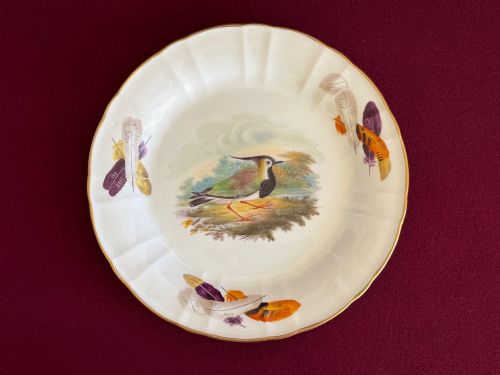
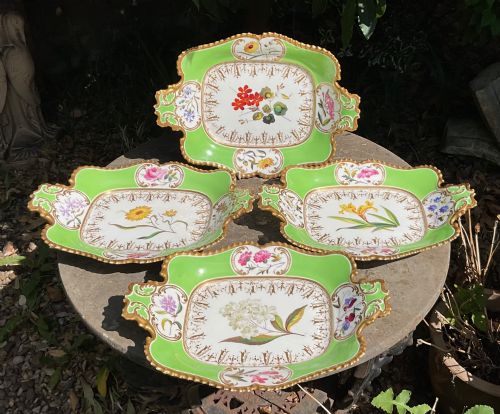
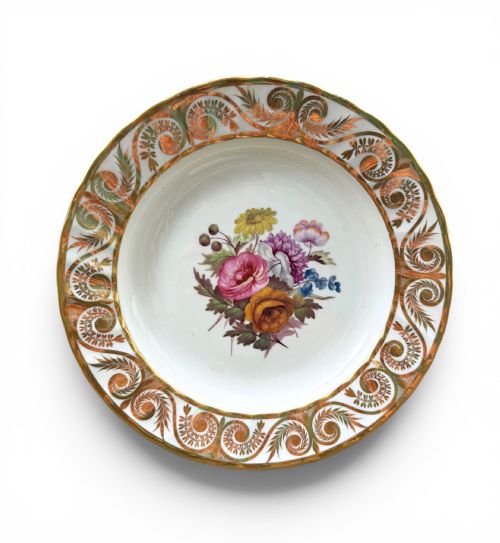
A botanical porcelain dish comprises cabinet plates, serving dishes, and dessert plates created primarily across the Georgian, Regency, and Victorian periods. These pieces range from Swansea pearlware tureens and Derby botanical studies to elaborate Worcester baskets and Minton cabinet plates.
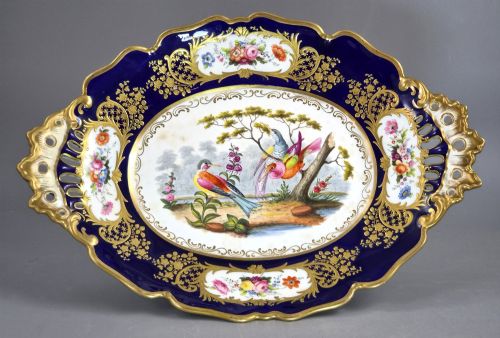
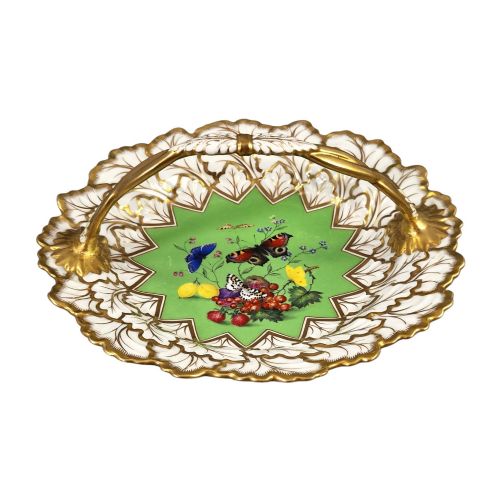
Makers utilised bone china, hard-paste porcelain, and earthenware as the canvas for detailed botanical and ornithological illustrations. The forms vary from straightforward circular plates to oval trays, fluted dishes, and handled comports designed for display or formal dining.
English factories such as Worcester, Coalport, and Derby dominate the selection, alongside continental output from Meissen and Sèvres. Pieces often isolate single specimens like the sweet william, rose, or nasturtium with accompanying botanical script on the reverse.
Materials and manufacture
Potters shaped fine bodies of bone china, felspar porcelain, and hard-paste porcelain before applying a smooth white glaze. Factories then fired the wares to high temperatures to ensure a stable, vitreous surface suitable for detailed enamel painting.
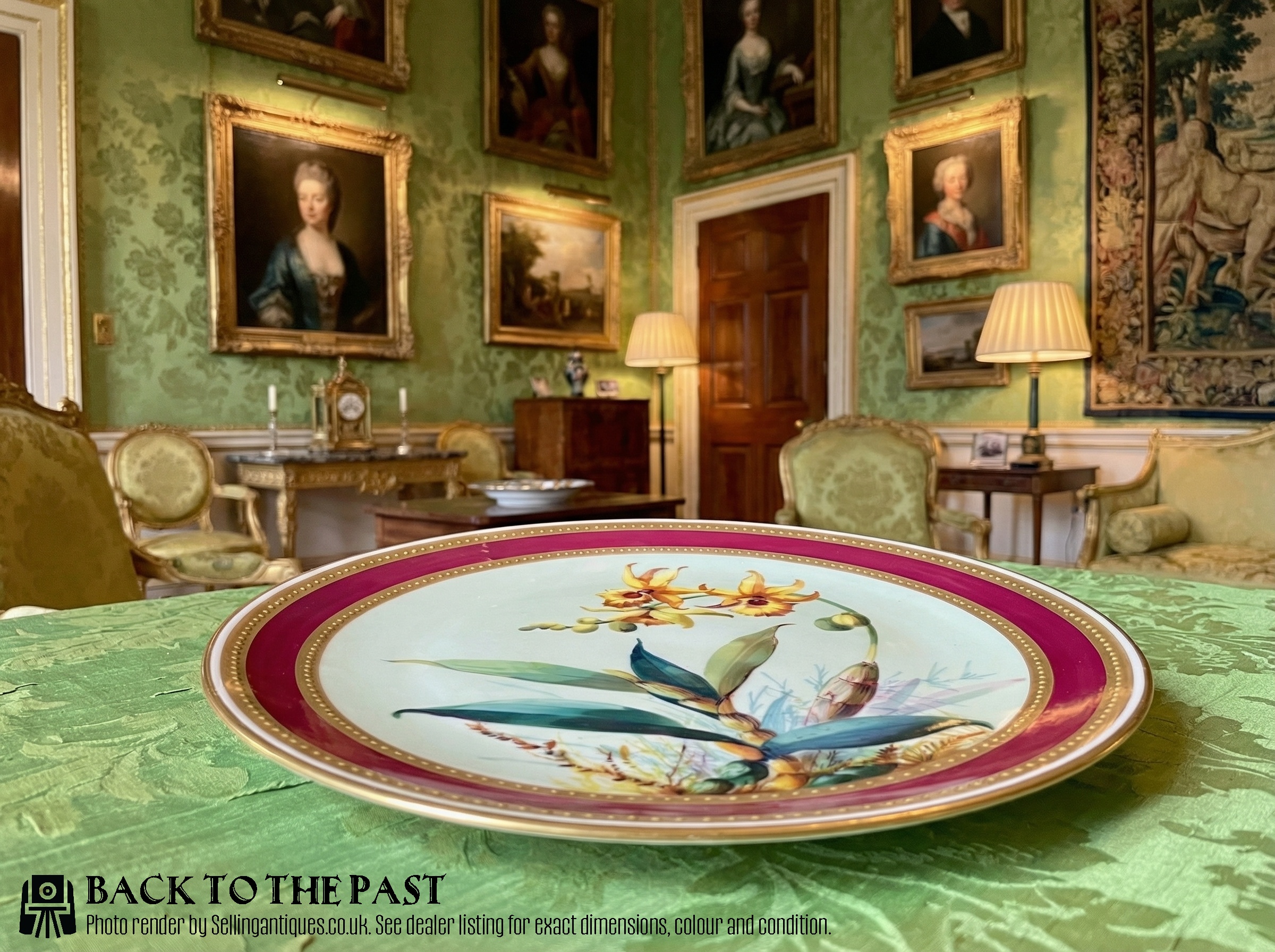
Painters applied hand-mixed enamels using fine brushes to render botanical specimens, birds, and butterflies with scientific precision. Artisans added gold leaf and gilding to rims and borders, fixing the metallic elements through subsequent low-temperature kiln firings.
Listings feature hard-paste porcelain, bone china, and earthenware across 18th, 19th, and early 20th century periods.
Distinctions in quality
The precision and botanical accuracy of the handpainted flora dictate the primary tier of distinction. Skilled artists working at major manufactories rendered individual petals, leaves, and plumage with lifelike shadow and nuance, whereas lesser pieces relied on repetitive or formulaic botanical transfers and simpler brushwork.
The crispness of the porcelain moulding and the richness of the gilding separate standard production wares from elite cabinet pieces. Deep cobalt blue borders, intricate raised paste gilding, and documented artist attributions elevate individual examples.
Factory marks and pattern numbers stamped or painted on the reverse provide historical weight and confirm origin. Clear potting, unblemished glazes, and well-preserved enamel colours without excessive rubbing denote superior preservation.
Flight Barr and Barr·Coalport·Meissen·Royal Doulton·Bloor Derby·Spode·New Hall
The Botanical Porcelain Dish Glossary
- Bone china
- A type of soft-paste porcelain containing bone ash, developed in England to create a strong, white ceramic body. It accepts polychrome enamel painting particularly well.
- Hard-paste porcelain
- A true porcelain composed of kaolin and petuntse fired at high temperatures. It yields a durable, translucent body with a cold, glassy feel.
- Enamel
- Opaque or transparent glass-based colours fused to the glazed porcelain surface in a kiln. These pigments capture the subtle hues of botanical specimens.
- Gilding
- The application of gold leaf or powdered gold to ceramic surfaces for decorative borders and highlights. It appears frequently on Regency and Victorian cabinet wares.
- Pearlware
- An earthenware body perfected by Josiah Wedgwood featuring a pale bluish glaze that pooled in recesses. It served as an affordable canvas for early botanical painting.
- Comport
- A raised decorative dish or compotier utilised for serving fruit or sweets during dessert courses. These pieces often feature footed bases and elaborate handles.
Botanical Porcelain Dish: Frequently Asked Questions
How were these dishes used originally?
These pieces served functional roles during multi-course dining, particularly for dessert services, fruit presentations, and side dishes. Wealthy households utilised them to display wealth and refined taste through artful food presentation.
Over time, many graduated from the dining table to formal drawing rooms. They were mounted on walls or displayed in cabinets purely for aesthetic appreciation.
How do I identify the factory?
Look to the underside of the piece for painted marks, impressed ciphers, or pattern numbers. Major houses like Worcester and Meissen used distinct sword, script, and monogram stamps that evolved over decades.
Painting style and paste composition also offer clues when marks are absent. Comparing brush techniques and floral arrangements helps link unmarked plates to specific regional workshops.
Can I use them for dining today?
Historic porcelains possess delicate enamel decorations and soft lead glazes that modern dishwashers and cutlery can damage. Hand washing in lukewarm water with mild soap protects the fragile gilding and painted surfaces.
Most collectors reserve these items for display or occasional gentle use. Preserving the original handpainted botanical studies prevents loss of historical material.