
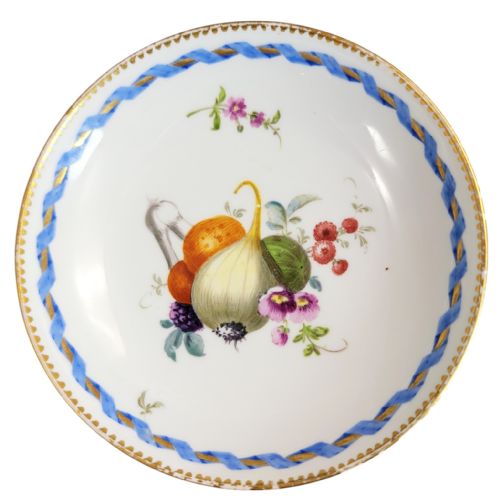


Gilt Edge Porcelain Dish
A gilt edge porcelain dish brings the quiet refinement of eighteenth and nineteenth century dining tables straight into a modern room.

What these pieces are
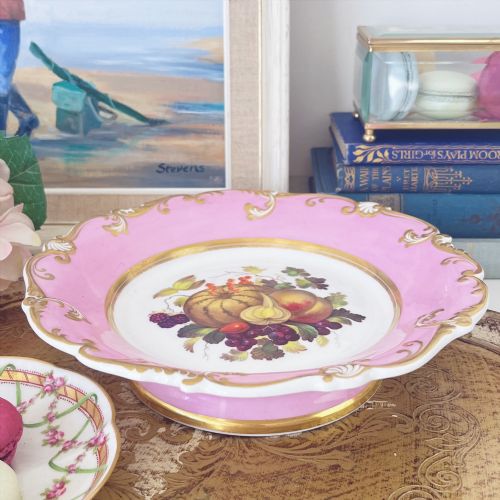
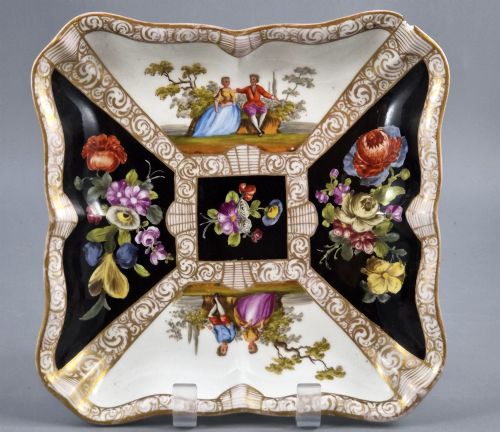
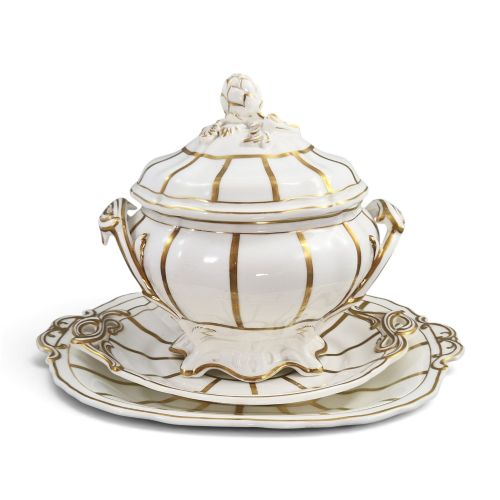
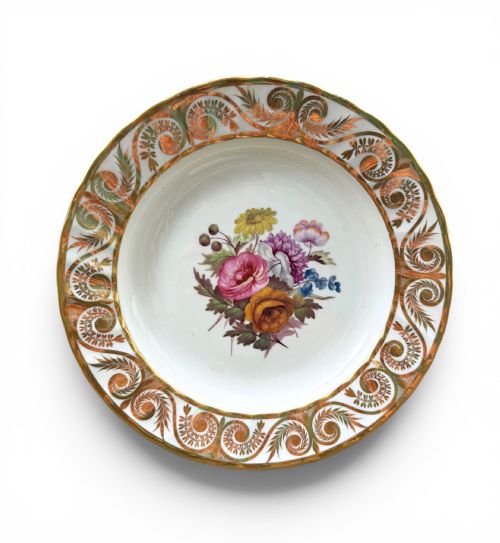
When you search for a gilt edge porcelain dish, you are looking at functional tableware and decorative plates touched with metallic leaf or paint. The pieces on this page span the Georgian, Victorian, and Edwardian eras, moving from cabinet saucers to service plates.
Forms include decorative dishes, soup plates, and ribbon-bordered saucers, originating from English and continental factories. These items were made for display or formal dining, carrying hand-painted floral motifs and neoclassical borders alongside their bright rims.
How they were made
The foundation of every piece is hard-paste or standard porcelain, shaped by hand or moulded before kiln firing. Artisans applied enamel colours and gold leaf or liquid gilding to the edges, often returning the piece to the kiln to fix the metal.
Decoration combined painted floral scenes with applied gold leaf borders, relying on steady brushwork for fine details like blue ribbon patterns.
Retail Price Guide 2026
Typical UK retail prices for gilt edge porcelain dish, calculated from the Sellingantiques database of over a million retail prices indexed since 2003. This retail price guide relies exclusively on Sellingantiques data; no external sources or auction records are used, so the figures do not describe the wider market.
Some nineteenth-century decorators snuck tiny hidden insects beneath the flowers to surprise whoever washed up.
What varies in quality
Quality rests upon the crispness of the porcelain body and the precision of the hand-painted decoration. Pieces painted by named artists or produced for specific retailers show superior control in both the ceramic form and the application of gold leaf.
Lighter, thinner porcelain bodies and well-preserved gilding without extensive rubbing distinguish the finer examples from standard productionware.
Derby·Meissen·Royal Worcester·Royal Crown Derby·Moses Webster
The Gilt Edge Porcelain Dish Glossary
- Hard-Paste Porcelain
- A dense, durable ceramic material fired at high temperatures, composed of kaolin and petuntse. It creates a bright white surface that resists scratching.
- Gilding
- The application of gold leaf or gold powder to the edges or surface of ceramic pieces. This decorative finish catches the light and frames the painted scene.
- Enamel
- Opaque, coloured glass fused to the porcelain surface during firing. It provides the vibrant hues found in floral and border motifs.
- Neoclassical
- A decorative style drawing on classical Greek and Roman motifs. It appears in the restrained borders and symmetrical designs of certain plates.
Frequently Asked Questions
How were these dishes used?
These pieces served as functional items for dining, including soup service and saucer use, or as decorative objects displayed on tables and cabinets.
Over time, many shifted entirely from the dining room to the drawing room as purely ornamental cabinet pieces.
How do I care for a gilt edge porcelain dish?
Wash these items gently by hand in warm water using mild soap, avoiding abrasive sponges that can wear down the gold leaf.
Keep them away from modern dishwashers and harsh detergents to preserve the delicate enamel painting and metallic rims.
How can I tell the period?
Look to the factory marks on the underside, the style of the painted motifs, and the composition of the porcelain body.
Georgian and nineteenth-century pieces often feature hand-painted details and distinct paste weights that differ from later Edwardian production.
Are these dishes safe for food?
While historic pieces can hold food, the presence of older metallic leaf and lead-based enamels means many collectors prefer display over dining.
Using them for dry presentation avoids prolonged contact with moisture and acidic foods.