
Gold Gilt Porcelain Dish
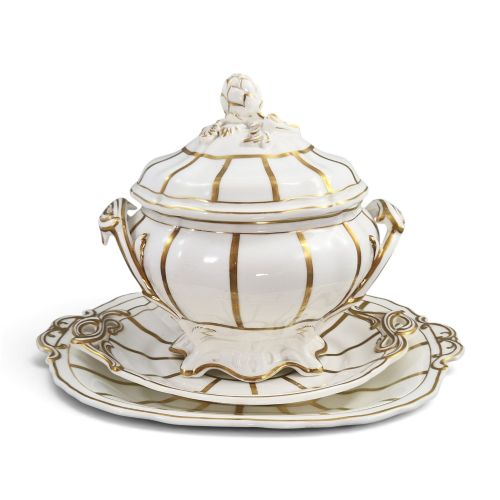
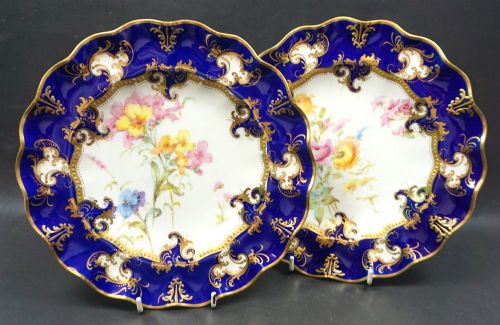
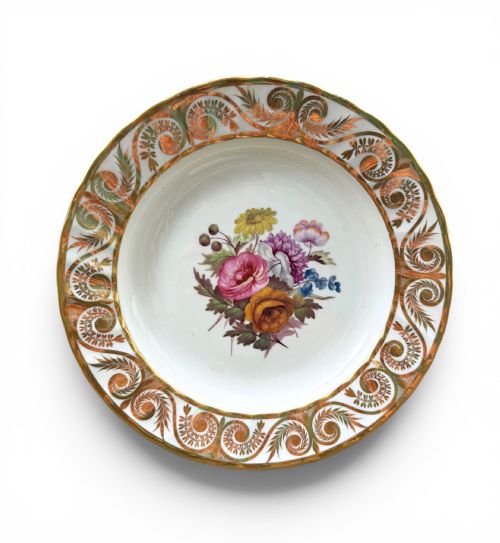
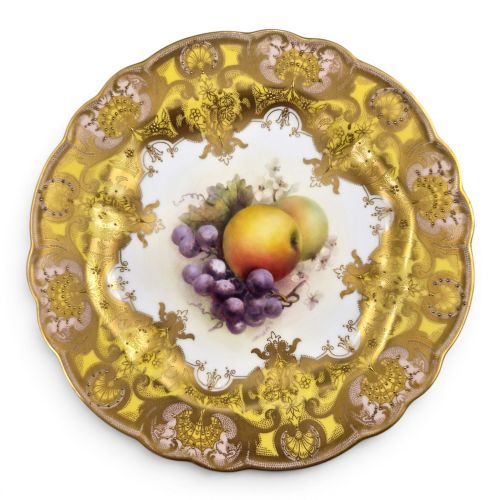
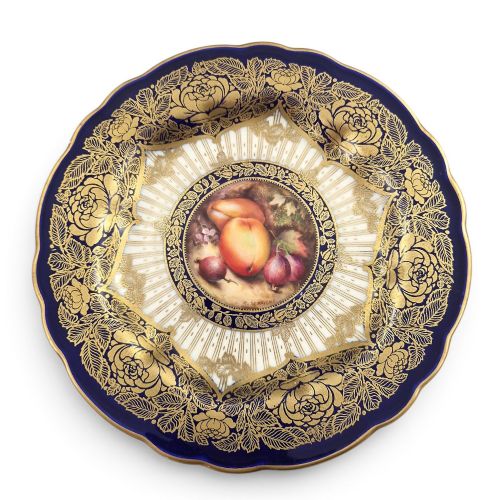
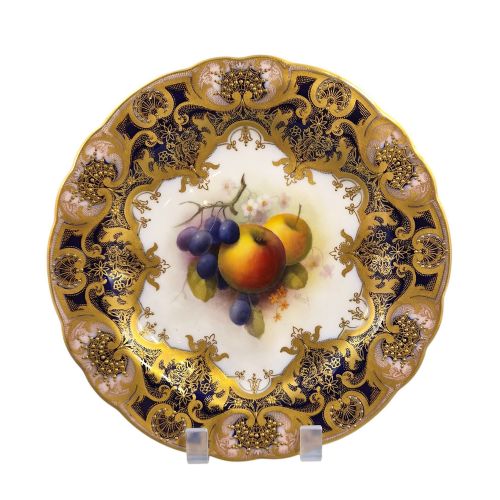
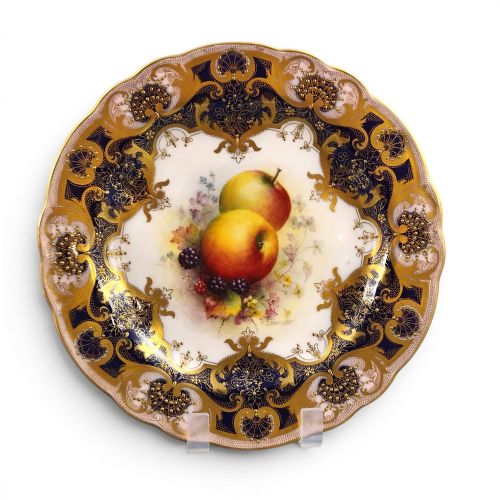
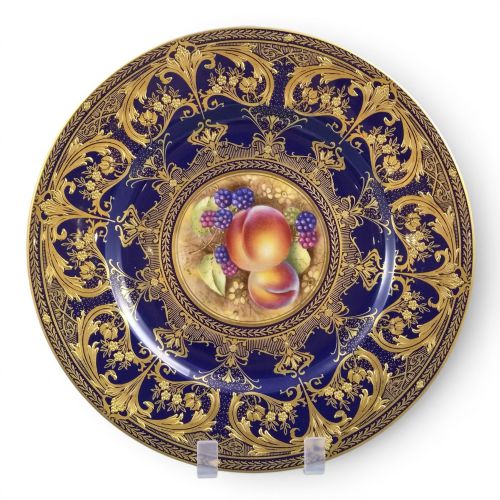
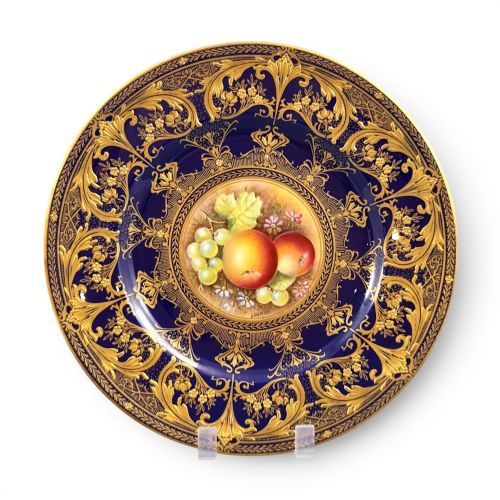
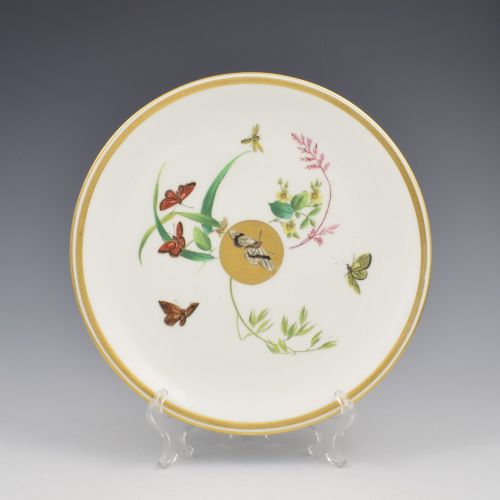
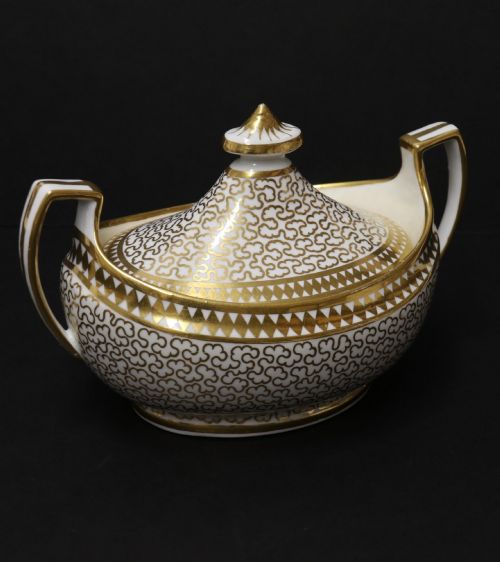
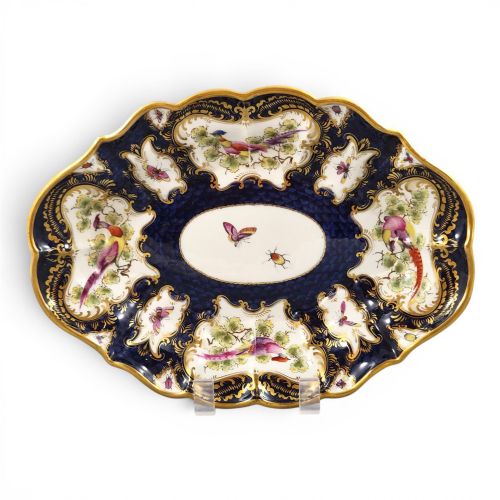
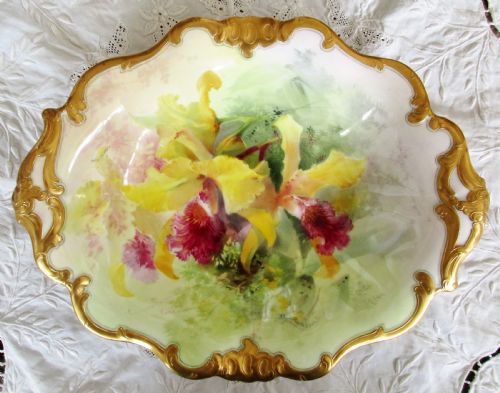
A gold gilt porcelain dish brings hand-painted floral motifs and gleaming metallic borders together on your table or wall.
Gold Gilt Porcelain Dish
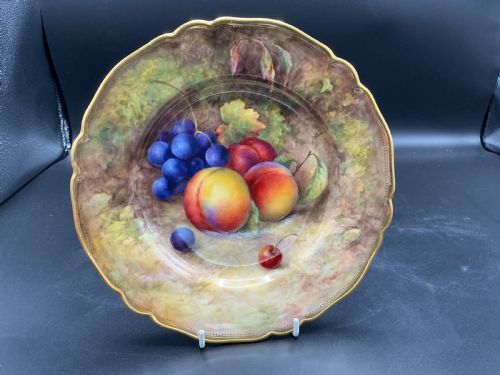
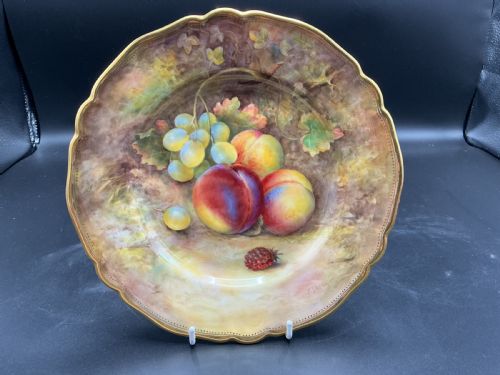
You will frequently encounter Royal Worcester painted fruit plates alongside wares from Derby, Minton, and Copeland. Pieces from the Regency, Victorian, and Edwardian periods demonstrate how these items shifted from functional dining ware to decorative items meant for cabinets and sideboards.
How they were made
Makers shaped porcelain, bone china, and earthenware bodies before applying enamel paints by hand to render botanical, figural, or landscape scenes. Artisans then added gold leaf, gilding, or gilt bronze mounts to enhance the rims, handles, and borders.
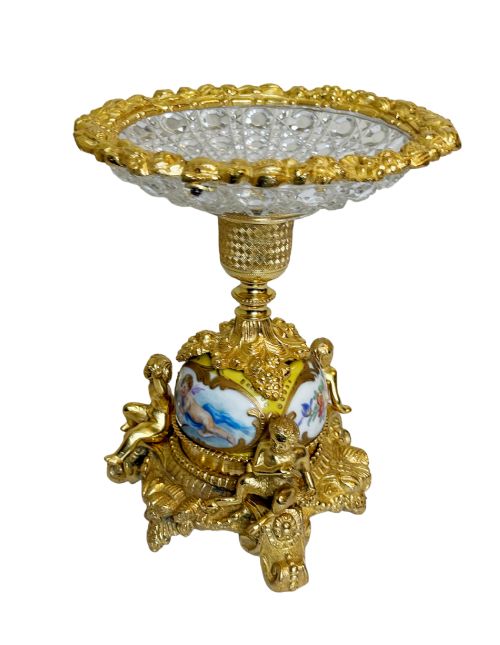
Firing techniques fixed the enamel colours and the metallic lustre to the ceramic base, creating durable surfaces that retained their shine over generations. Some works incorporated champlevé enamel or cut crystal alongside the gilded ceramic components.
Several artists spent their entire days painting single miniature gooseberries onto porcelain plates just to watch them dry in the kiln.
What varies in quality
The standard of a gold gilt porcelain dish rests upon the skill of the painter and the crispness of the gilt work. Hand-painted fruit or topographical scenes executed by named artists command greater attention than standard transfer-printed decoration.
The precision of the gilding and the weight of the porcelain body further separate standard production pieces from exhibition-grade works commissioned for specific retailers or patrons.
Royal Worcester·Royal Doulton·Royal Crown Derby·Chamberlains Worcester·Barr Flight and Barr·Meissen·Kinkozan Kyoto·C.J. Mason
The Gold Gilt Porcelain Dish Glossary
- Cabinet Plate
- A decorative ceramic plate intended for display in a glass-fronted cabinet rather than for serving food. These items often feature elaborate hand-painted scenes and heavily gilded borders.
- Gilding
- The application of gold leaf or powdered gold suspended in a medium onto the surface of porcelain. This technique adds reflective metallic highlights to rims and handles.
- Sucrier
- A small covered sugar bowl designed to match a tea or dessert service. They frequently appear in sets alongside matching tureens and plates.
- Bone China
- A type of soft-paste porcelain incorporating bone ash, which yields a durable, slightly translucent body. English potteries utilised this material extensively throughout the nineteenth century.
- Champlevé
- An enamelling technique where artists carve troughs into a metal surface to hold coloured glass paste before firing. This method appears on mounts associated with continental centrepieces.
Gold Gilt Porcelain Dish: Frequently Asked Questions
How do I display a cabinet plate?
Cabinet plates are traditionally housed in wall-mounted plate racks or displayed upright on sturdy plate stands inside glass cabinets. This protects the delicate hand-painted surfaces and gilt edges from accidental knocks.
Position them away from direct sunlight to prevent any fading of the enamel colours over time.
Were these dishes used for dining?
Many items listed as cabinet plates or decorative dishes were created primarily for visual display in reception rooms. Earlier Regency and Victorian examples often began life as part of large dessert or tea services before becoming standalone cabinet pieces.
Over the decades, their role shifted entirely toward decorative display.
How can I tell the period?
Makers' marks stamped or painted on the underside provide the most reliable indicator of date and origin. Stylistic clues such as Aesthetic movement motifs or Rococo Revival scrolling also point toward specific decades like the eighteen-seventies or eighteen-eighties.
Comparing pattern numbers and artist signatures helps narrow down the exact decade of manufacture.
How do I clean gilded porcelain?
Dust these pieces gently with a dry, soft cloth to remove surface particles. Avoid using water, abrasive cleaners, or chemical solutions, as these can wear away the delicate gold leaf and enamel over time.
Professional restoration is rarely needed if the piece receives careful, dry maintenance.