

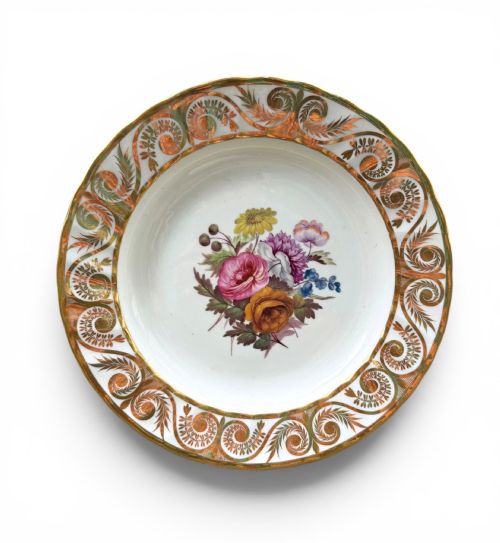


Vintage Floral Cabinet Plate
These vintage floral cabinet plates bring hand-painted botanicals and fine porcelain to display cabinets.
Vintage Floral Cabinet Plate
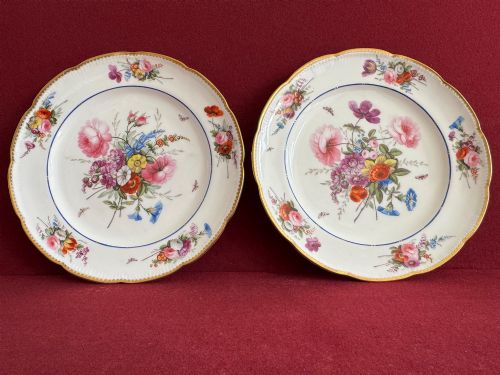
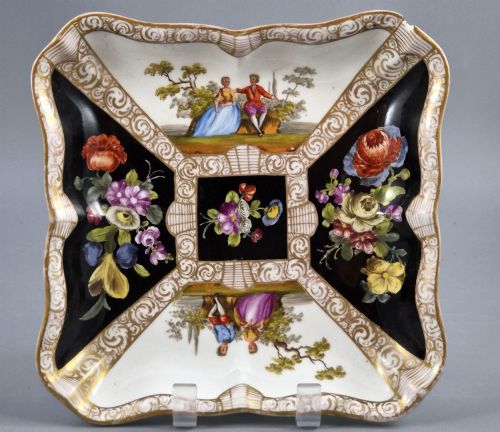
A vintage floral cabinet plate is a decorative ceramic piece designed for display rather than everyday dining, often featuring hand-painted botanical motifs. When you search this phrase, you will encounter diverse forms spanning from the eighteenth century to the mid-twentieth century, including pieces from English potteries and continental factories. These items range from square dishes and scalloped edges to soup dishes and dessert service components.
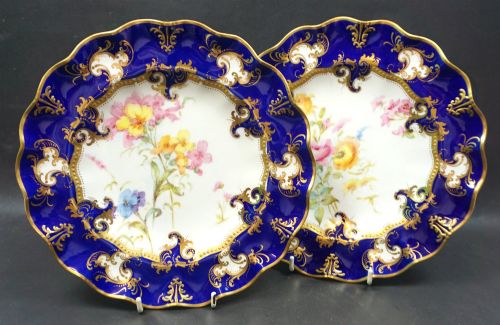
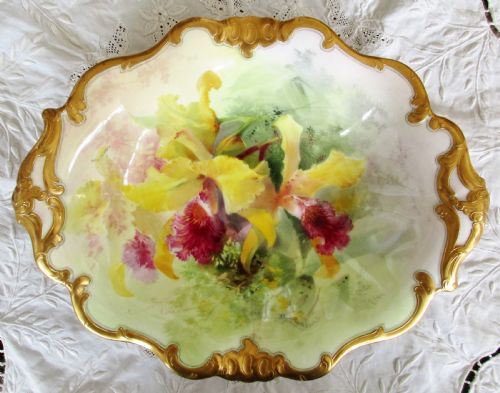
The selection here encompasses porcelain, bone china, and hard-paste porcelain decorated with gilt, enamel, and gold leaf. Makers represented include Royal Crown Derby, Royal Doulton, Meissen, and Sevres, alongside Japanese Imari wares. You will find both matched pairs and individual decorative dishes bearing floral scenes, Watteau scenes, and orchid studies.
How they were made
The pieces on this page rely on ceramic bodies such as porcelain, bone china, and hard-paste porcelain, shaped into plates, square dishes, and scalloped forms. Manufacturers employed glaze and enamel to seal the ceramic body and add colour before secondary firing processes.
Artisans applied hand-painted details, gold leaf, and gilding to accent borders and central motifs, as seen in the floral studies by named painters. Basketweave moulding and shaped edges involved specialised casting and shaping techniques during manufacture.
Vintage Floral Cabinet Plate Retail Price Guide 2026
Typical asking prices for vintage floral cabinet plate among the pieces listed under this phrase on Sellingantiques today, from the lower quarter to the upper quarter. They describe what is for sale here now, not the wider market.
Listings feature porcelain, bone china, and hard-paste porcelain from the Victorian, Edwardian, and eighteenth-century periods.
What varies in quality
The standard of painting separates standard decorative wares from exceptional pieces, particularly in the precision of hand-painted floral subjects like orchids and lilies. Detailed brushwork by known artists elevates a plate above standard factory output.
The application of gilding and gold leaf also marks the tier of a piece, alongside the crispness of moulded elements such as basketweave textures and scalloped edges. Provenance, including commission marks for retailers and specific historical makers, distinguishes superior cabinet porcelain.
Royal Crown Derby·Royal Doulton·Royal Worcester·Wedgwood·Meissen·Sevres·Mason's·Minton
The Vintage Floral Cabinet Plate Glossary
- Cabinet plate
- A decorative ceramic plate intended for display in a cabinet rather than for serving food. These pieces typically feature elaborate hand-painted designs and gilt borders.
- Hard-paste porcelain
- A durable ceramic material composed of kaolin and petuntse, fired at high temperatures. It provides a dense, vitreous body common in European porcelain manufacture.
- Imari
- A style of Japanese export porcelain characterised by underglaze blue and iron red, supplemented with gold. The listings include traditional scalloped plates utilising this decorative scheme.
- Gilding
- The application of gold leaf or powdered gold to the surface of porcelain. It highlights rims, handles, and decorative borders on antique dishes.
Vintage Floral Cabinet Plate: Frequently Asked Questions
What is a cabinet plate?
A cabinet plate is a decorative ceramic piece created for display in a cabinet or on a wall rather than for use at the dining table. These items typically feature intricate hand-painted motifs or gilded borders.
Because they were meant for show, they often survive in more delicate condition than everyday tableware. Collectors display them individually or in matched pairs.
How do I identify antique porcelain?
Identifying antique porcelain involves examining the paste, glaze, and any maker marks or retailer stamps on the reverse. Hand-painted details and historical styles offer clues to the period of manufacture.
Different factories employed distinct potting techniques and paste compositions, ranging from bone china to hard-paste porcelain. Consulting factory records helps narrow down the production date.
Were these plates used for dining?
Most pieces listed as cabinet plates or dessert service components were designed for display or formal dessert courses rather than heavy daily dining. Their hand-painted enamel and gold leaf require gentle care.
Plates from dessert services formed part of larger dining suites, while others were commissioned specifically as ornamental items for display.
How should I display antique plates?
Antique plates can be shown in glass-fronted display cabinets or mounted securely on walls using coated wire hangers that protect the rim. Stable environments away from direct sunlight help preserve the enamel and gilding.
Pairs and sets look striking when grouped together on a single shelf or wall arrangement. Ensure any wall mounts are rated for the weight of porcelain and earthenware.