
Vintage Cabinet Plate
A vintage cabinet plate brings hand-painted scenes and rich porcelain into a room for display rather than the dining table.
Vintage Cabinet Plate
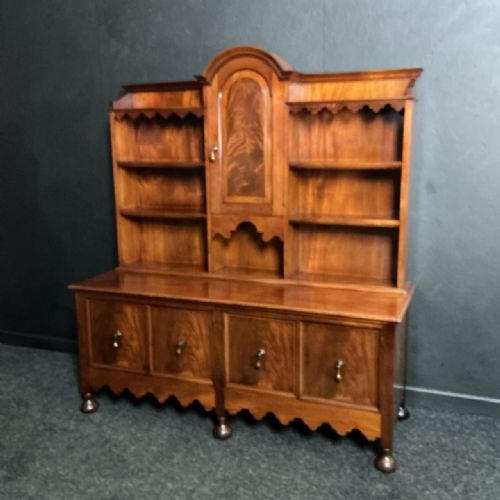
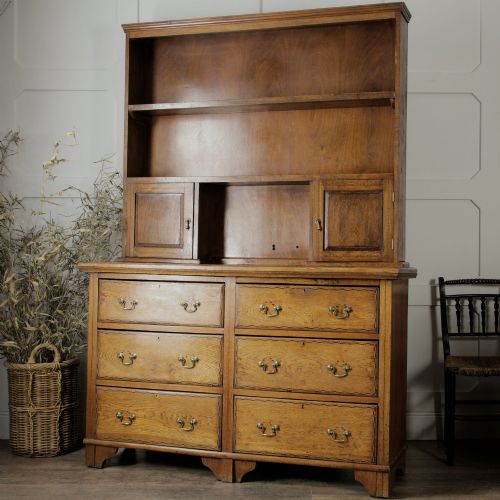
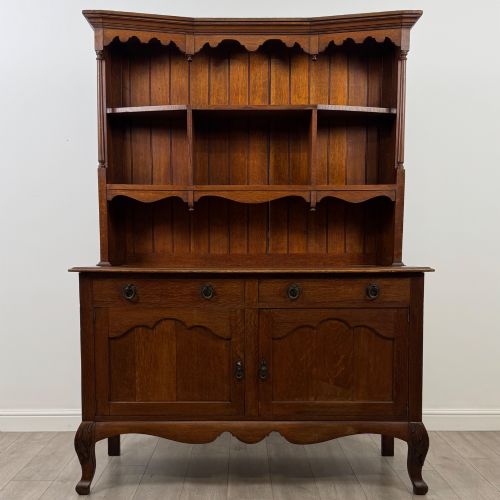
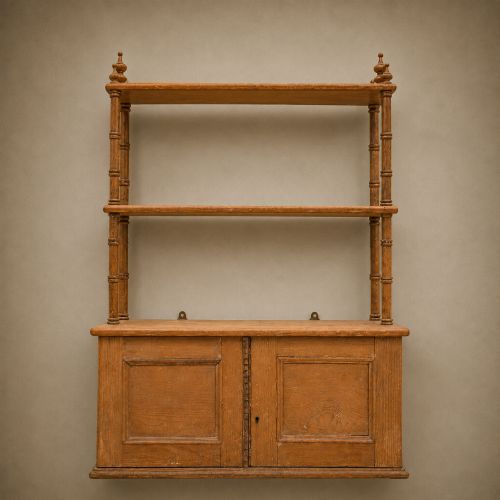
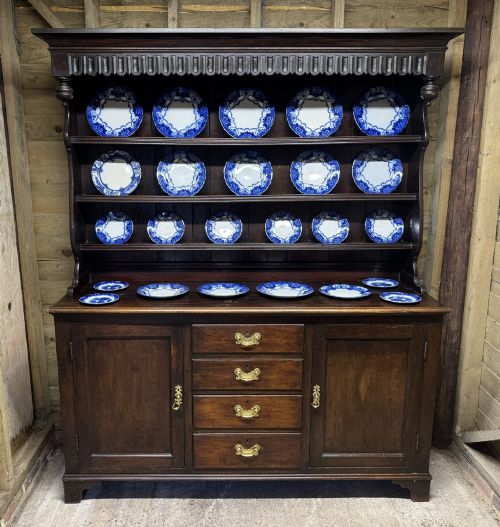
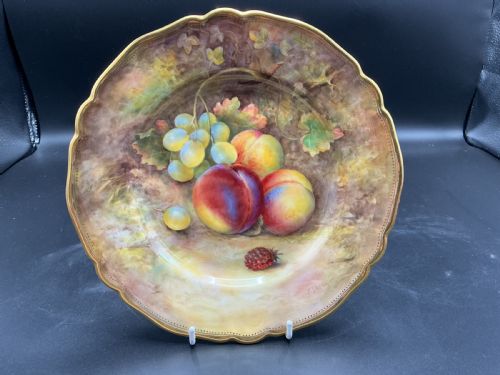
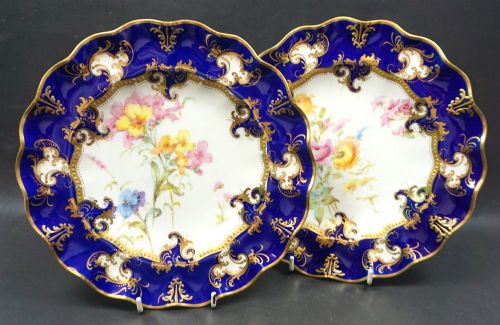
A vintage cabinet plate is a decorative ceramic piece intended for display on a wall shelf, dresser or within glazed cabinetry rather than for everyday dining. These items emerge from the nineteenth and twentieth centuries, spanning periods from Victorian and Edwardian eras through to the Art Deco decades. The evidence shows these plates appearing alongside larger furniture such as oak dressers and wall shelves designed specifically to hold such items.
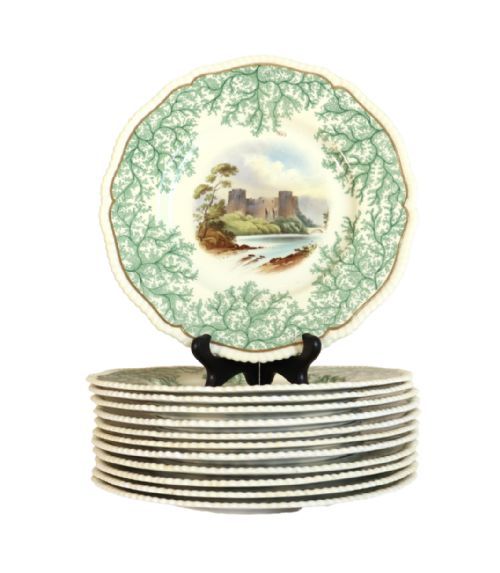
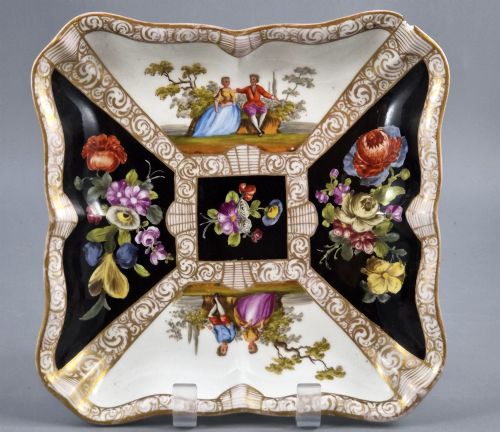
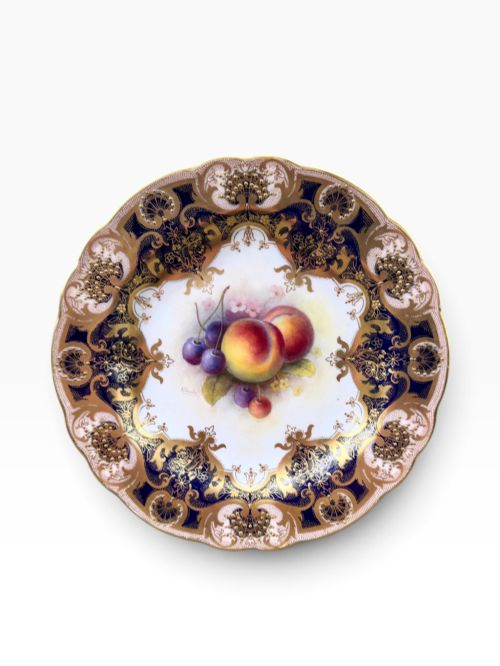
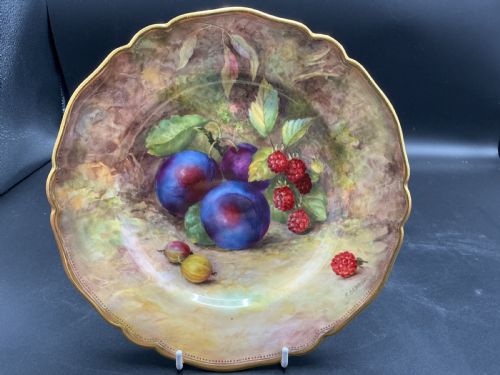
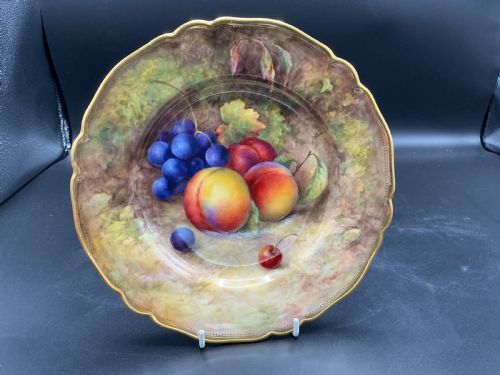
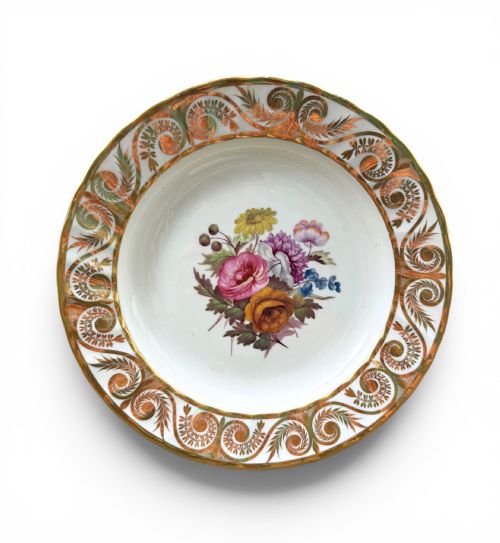
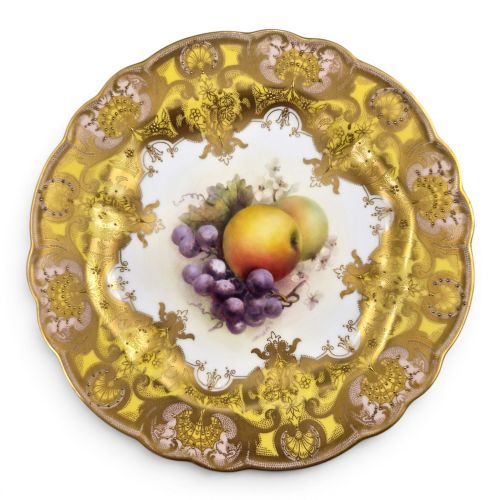
The objects on this page centre on fine porcelain and bone china, often painted with botanical studies, fruit, or scenic views. Makers such as Royal Worcester, Royal Crown Derby, and Royal Doulton dominate the evidence, frequently bearing the signatures of notable artists like Richard Sebright or Albert Shuck. Forms range from individual painted dishes to matched sets intended to make a strong visual statement on display.
What varies in quality
The distinction in quality rests primarily on the skill of the artist and the reputation of the pottery. Signed works by documented painters command greater attention than unsigned or generic factory decoration.
Execution of the painted subject matter, the crispness of the gilding, and the preservation of the porcelain body dictate the standing of an individual piece.
Periods represented span from the 18th century through the Victorian, Edwardian, and Art Deco eras.
Royal Worcester·Royal Crown Derby·Royal Doulton·Meissen·Spode·Sevres·Rene Lalique
The Vintage Cabinet Plate Glossary
- Cabinet plate
- A decorative ceramic plate intended for display in a cabinet or on a wall rack rather than for practical table use. These pieces often feature elaborate painted scenes and gilded rims.
- Bone china
- A type of porcelain containing bone ash, which produces a strong, milky-white body capable of holding delicate painted details.
- Gilding
- The application of gold leaf or powdered gold to the surface of ceramics, particularly around the borders and edges of decorative plates.
- Imari
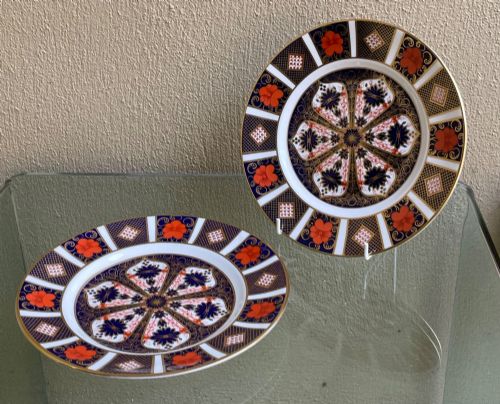
- A style of Japanese porcelain featuring a distinct palette of underglaze blue, iron red, and gold, which heavily influenced European potteries.
Vintage Cabinet Plate: Frequently Asked Questions
What is a vintage cabinet plate?
A vintage cabinet plate is a porcelain or bone china dish created specifically for visual display rather than for serving food at a table. These pieces often showcase detailed hand-painted artwork and gilded borders.
They frequently date from the nineteenth and twentieth centuries, originating from notable potteries such as Royal Worcester or Royal Crown Derby.
How were cabinet plates displayed?
Historically, cabinet plates were shown off in glass-fronted display cabinets, mounted directly onto walls, or stood upon plate racks and oak dressers. This kept the painted surfaces safe from the wear of daily dining.
Today, collectors use similar wall shelves and plate hangers to exhibit them safely in domestic interiors.
How can I tell who painted a plate?
Many fine cabinet plates bear the signature of the studio artist near the edge of the central painted scene, particularly those from makers like Royal Worcester. Backstamps on the reverse of the porcelain also provide factory marks and date ciphers.
Cross-referencing these signatures with factory records helps confirm the artist and the period of production.
Are cabinet plates meant for food use?
These plates are primarily decorative objects and often feature delicate overglaze enamel painting and gold leaf that can wear away with use. Their historical purpose was purely aesthetic and ornamental.
Using them for dining risks damaging the fragile hand-painted surfaces and historical gilding.