




Decorative Wall Porcelain
Decorative wall porcelain brings instant character to a room, offering centuries of hand-painted artistry designed specifically for display.
Decorative Wall Porcelain
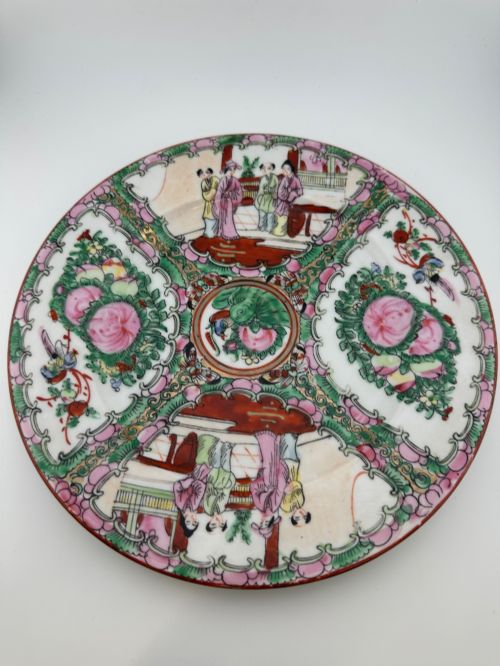
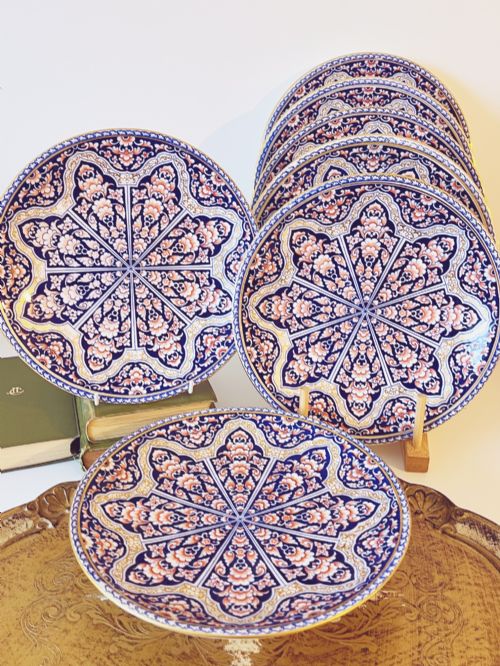
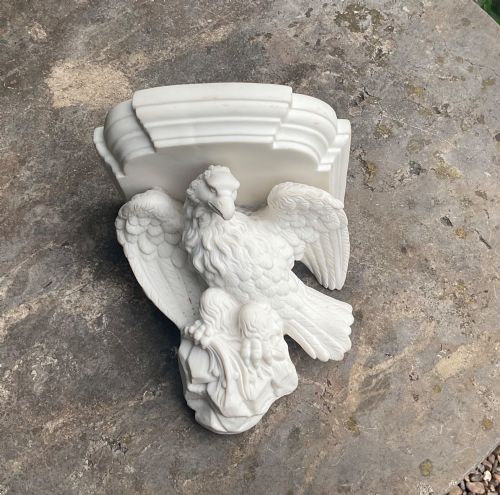
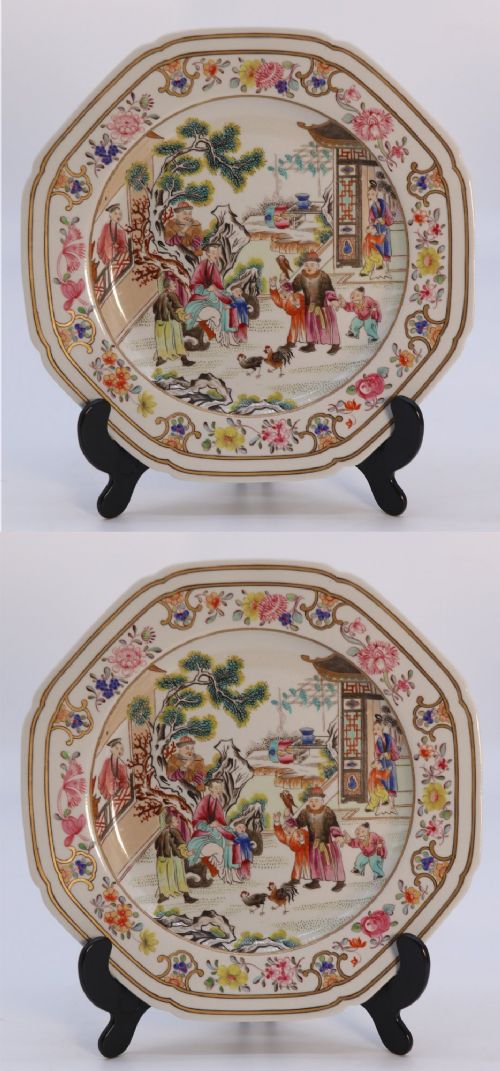
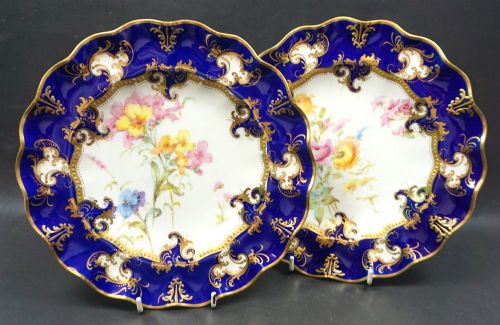
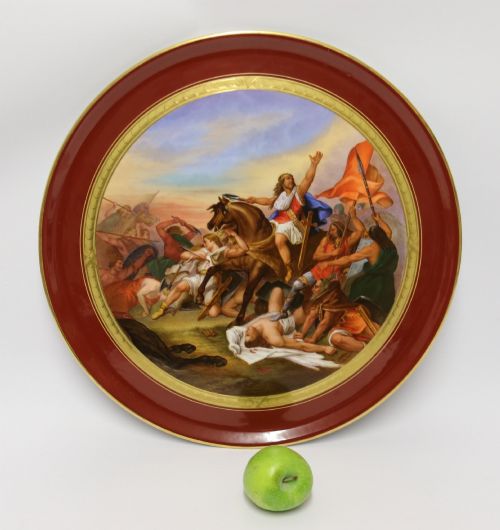
Decorative wall porcelain encompasses plates, chargers, and brackets created to be mounted or shown on stands rather than utilised solely at the dining table. These pieces range from eighteenth-century Delft chargers and nineteenth-century English cabinet plates to large Japanese Imari and Satsuma chargers.
The selection on this page relies heavily on nineteenth-century and early twentieth-century examples, with Japanese Imari and English bone china or porcelain heavily represented. Makers across Europe and Japan produced these display items to satisfy a strong domestic and export demand for colourful interior ornamentation.
How they were made
Makers utilised ceramic, bone china, and earthenware bodies finished with coloured glaze, enamel, and frequently gold leaf or gilt highlights. Surface decoration involved hand-painting or transfer printing, often requiring multiple kiln firings to set complex cobalt blues, iron red enamels, and delicate gilt details.
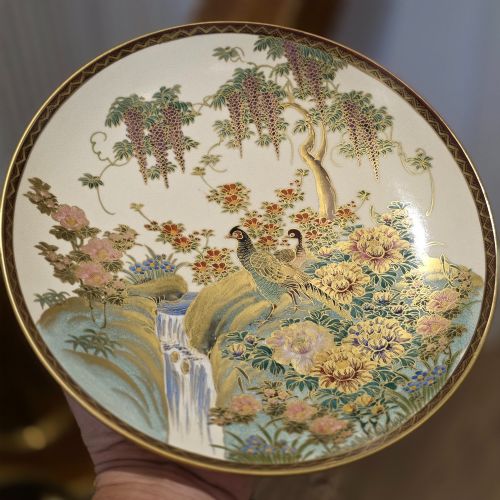
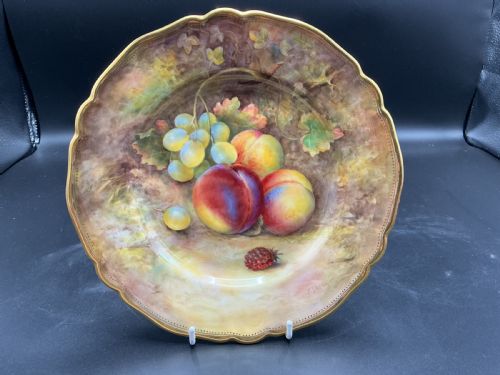
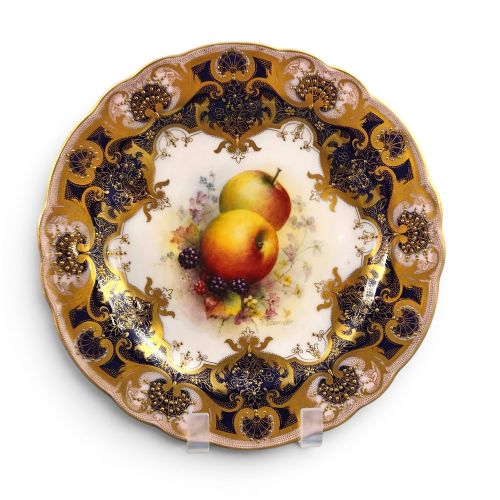
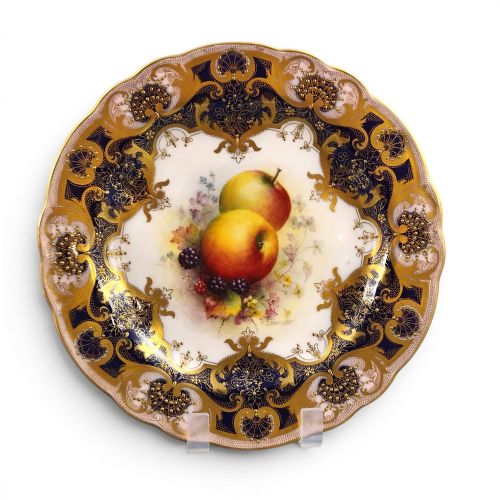
Techniques varied from the intricate moriage relief work found on Japanese Satsuma wares to the detailed hand-painted fruit scenes executed by studio artists on English porcelain. Body types ranged from dense stone china and ironstone to translucent porcelain and porous earthenware.
Common regional origins on this page include traditional English factories, French Paris porcelain, and Japanese Arita and Satsuma kilns.
What varies in quality
Quality rests primarily on the skill of the painting and the crispness of the underlying form, distinguishing factory-standard output from master-painted cabinet pieces. Hand-painted fruit studies by known artists or intricate hand-drawn Imari patterns display a depth of tone and brushwork control that mass-produced transfer wares lack.
The application of gilding and enamel also dictates the standard of a piece, with heavy burnished gold leaf and rich, stable glaze surfaces marking out the superior examples. Condition and the preservation of original hand-applied colours maintain the visual impact of the design.
Royal Crown Derby·Royal Worcester·John Davenport·Darte Brothers·Richard Sebright
The Decorative Wall Porcelain Glossary
- Charger
- A large decorative plate intended for display on a wall or sideboard rather than for service at meals. These pieces often feature elaborate hand-painted scenes or rich Japanese Imari patterns.
- Cabinet plate
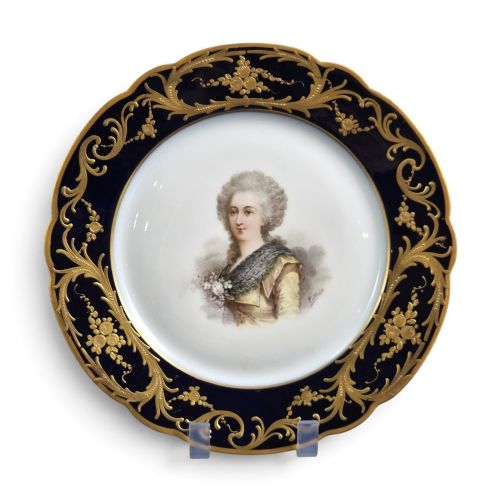
- A fine ceramic plate produced specifically for display in a cabinet or on a wall, usually featuring high-status artistic decoration. They frequently showcase painted landscapes, portraits, or botanical studies.
- Imari
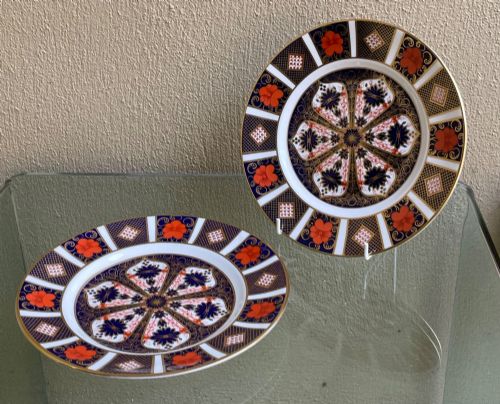
- A style of Japanese porcelain exported from Arita, characterised by a palette of underglaze blue, iron red, and gilt highlights. European factories frequently copied these traditional colour schemes.
- Moriage
- A Japanese ceramic technique using raised clay slip to create tactile decorative relief patterns on the surface. This method is commonly seen on Satsuma export wares.
- Comport
- A shallow dish raised on a pedestal, often included as part of a larger dessert service for display or fruit presentation. They match the decorative style of accompanying cabinet plates.
Decorative Wall Porcelain: Frequently Asked Questions
How do I hang wall porcelain securely?
Displaying plates safely on a wall requires purpose-built spring-loaded plate hangers with rubber-tipped prongs that grip the rim without causing damage.
Ensure the wall fixing engages securely with a stud or wall plug, as larger nineteenth-century chargers carry considerable weight.
Were these plates used for dining?
Many items classed as cabinet plates or chargers were created exclusively for visual display, whilst others formed part of larger dessert services used on formal dining occasions.
Pieces bearing delicate hand-painted fruit or heavy gilding were generally intended to be admired in cabinets or mounted on walls rather than subjected to daily dining use.
How do I tell Japanese Imari from English copies?
Japanese Imari pieces from the Meiji period or earlier typically display a slightly coarser body with spur marks on the base and rich, hand-applied iron reds and underglaze blues.
English factories like Royal Crown Derby produced their own interpretations of the style, marked by distinct British registry or factory backstamps and refined bone china bodies.
Should I worry about light fading the colours?
Enamel colours and gilt highlights generally remain stable, but prolonged exposure to direct, bright sunlight can gradually affect certain sensitive pigments over many years.
Positioning wall displays away from intense south-facing windows helps protect the vibrancy of hand-painted scenes and gold leaf details.