




Botanical China Plate
When you search for a botanical china plate, you enter a world of hand-painted flowers, birds, and insects preserved in porcelain across the centuries.
Botanical China Plate
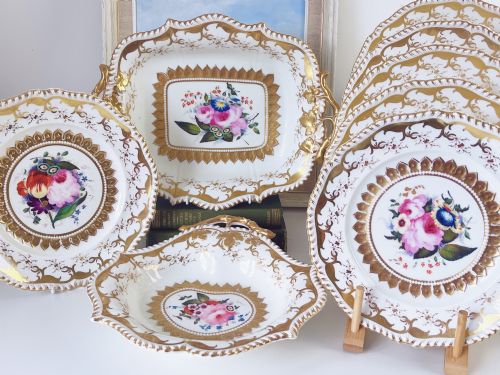
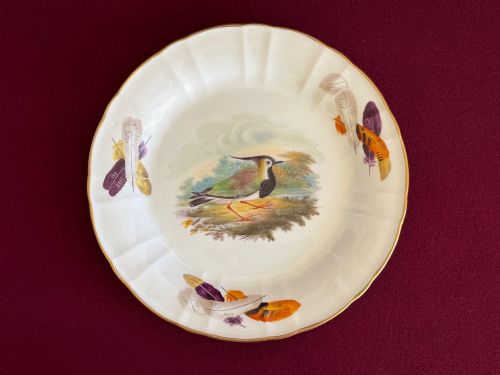
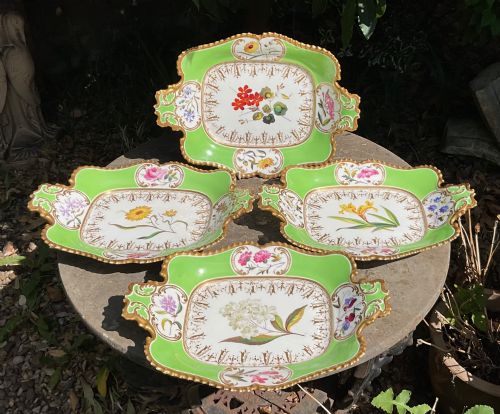
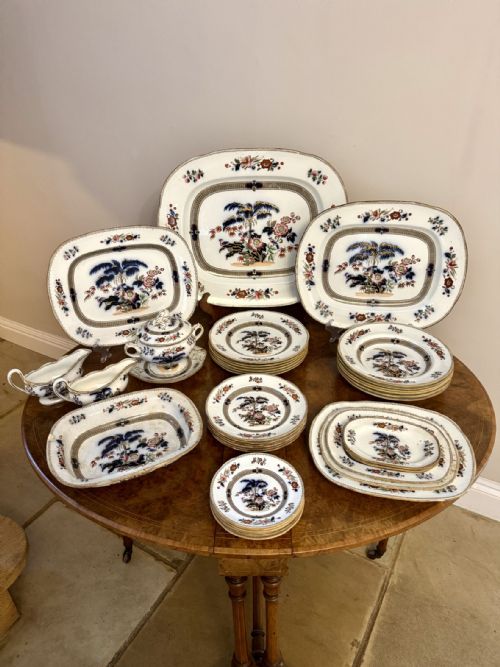
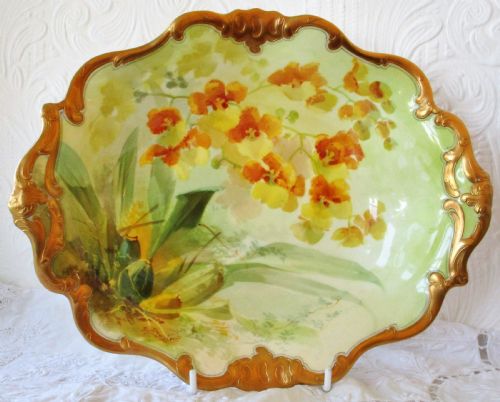
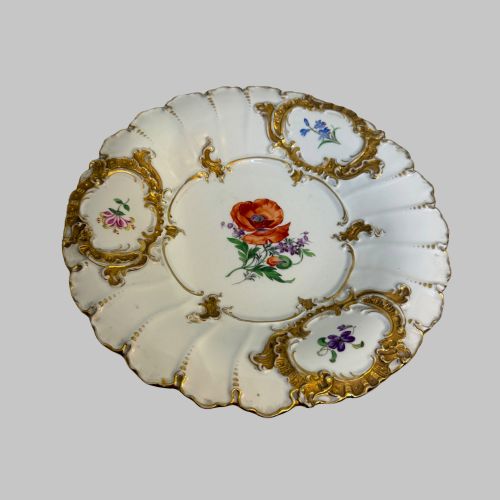
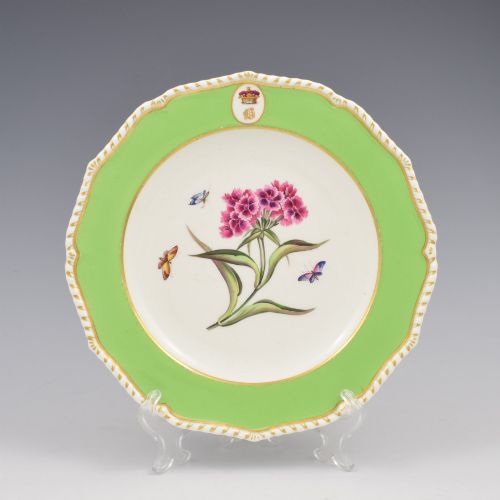
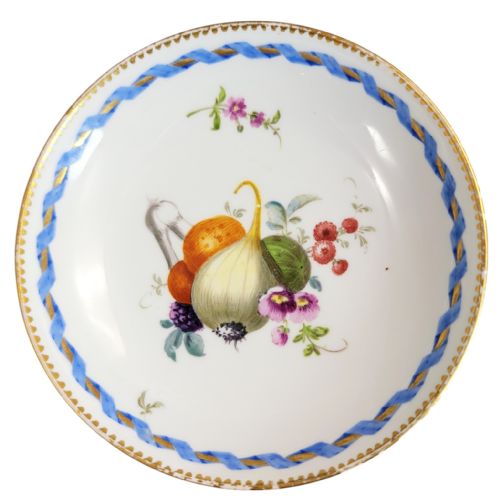
A botanical china plate is a ceramic vessel created to display detailed natural history illustrations, predominantly featuring flowers, birds, and butterflies. When you search for a botanical china plate, you encounter items ranging from single cabinet pieces to dispersed elements of larger dessert and dinner services.
The selections available span Georgian, Regency, and Victorian periods, alongside early twentieth-century examples. Forms vary from flat cabinet dishes and dessert plates to serving dishes and soup plates, originating from English potteries as well as continental and international factories.
Materials and Craftsmanship
These pieces rely on porcelain, bone china, creamware, and earthenware bodies shaped to form plates and dishes. Artisans applied enamel paints by hand to render botanical specimens, birds, and butterflies with precise anatomical accuracy.
Decoration often incorporates gold leaf, gilding, and gilt accents along borders and rims to frame the central painted motifs. Transparent glazes seal the ceramic body and protect the delicate hand-painted enamel work underneath.
The selection spans the eighteenth century, the Georgian, Regency, and Victorian periods, through to the early twentieth century.
Distinctions in Quality
Quality rests primarily upon the skill of the botanical painting, where fine, lifelike brushwork distinguishes superior studio output from standard factory decoration. The crispness of the porcelain moulding and the richness of the applied gilding also separate exceptional pieces from ordinary tableware.
The provenance and documented attribution to named factories or painters elevate the status of a piece within the field. Preservation of the original enamel colours and the integrity of the gilt borders determine the overall condition standard of surviving items.
Grainger Lee And Co·Wedgwood·Chamberlains Worcester·Royal Doulton·Meissen·Bloor Derby·Spode·Sevres·Coalport·Barr Flight And Barr·Royal Worcester·Kornilov Brothers·Ridgway·Nantgarw·Elkin And Newbon·New Hall·Rockingham·Royal Crown Derby
The Botanical China Plate Glossary
- Cabinet plate
- A decorative ceramic plate intended for display in a cabinet rather than for functional use at the dining table. These pieces often feature elaborate hand-painted scenes.
- Bone china
- A type of soft-paste porcelain containing bone ash, developed in England to create a strong, brilliantly white ceramic body suitable for delicate forms.
- Creamware
- A refined earthenware developed in England during the eighteenth century, characterised by a pale yellow or cream-coloured lead glaze.
- Armorial
- A design featuring a coat of arms or heraldic insignia, frequently painted onto porcelain services commissioned by landed families.
- Gilding
- The application of gold leaf or powdered gold suspended in a medium to the surface of ceramics, usually accenting rims and borders.
Botanical China Plate: Frequently Asked Questions
Were these plates used for dining?
Many of these items functioned as part of dessert services or dinner services, handling food during formal meals. Others were made exclusively as cabinet plates for visual display.
Over time, surviving pieces from larger services became separated, leading collectors to acquire individual plates or small sets for display purposes today.
How do I identify the maker?
Makers often marked their porcelain on the underside using painted script, impressed stamps, or transfer-printed factory symbols. Specific pattern names, registry numbers, or decorator signatures also appear on the reverse.
Matching the stylistic traits, paste composition, and border designs helps attribute unmarked pieces to particular factories active during the eighteenth and nineteenth centuries.
What distinguishes botanical plates from normal floral plates?
Botanical plates feature scientifically accurate depictions of specific plants, flowers, or birds, often accompanied by handwritten botanical names on the reverse. General floral plates use decorative arrangements of flowers chosen purely for aesthetic effect without scientific intent.
Natural history illustration heavily influenced these botanical designs, reflecting a period interest in taxonomy and gardening.
How should I care for antique porcelain plates?
Antique porcelain and overglaze enamel painting require gentle handling and should be washed by hand in lukewarm water using mild soap rather than placed in a dishwasher. Sudden temperature changes can stress the ceramic body and damage the glaze.
When displaying pieces on walls or in cabinets, use secure, padded hangers or stands designed specifically for antique ceramics to prevent chipping or scratching.