





Hand Painted Ceramic Plaque
A hand painted ceramic plaque brings miniature fine art into a room, offering the detailed brushwork of canvas within a fired porcelain body.

What they are
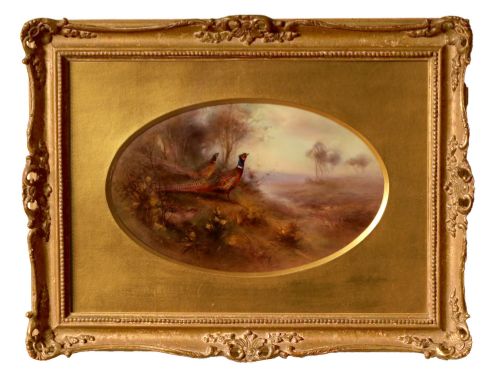
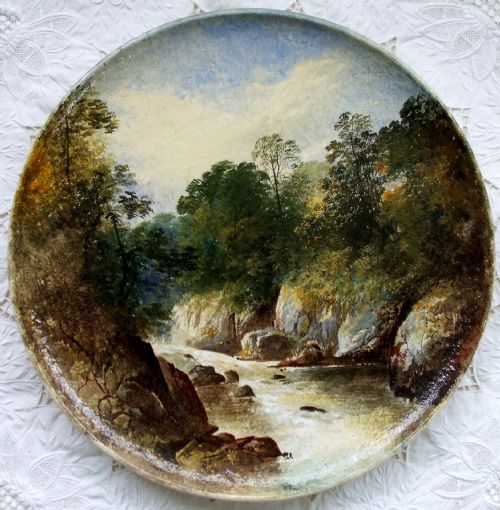
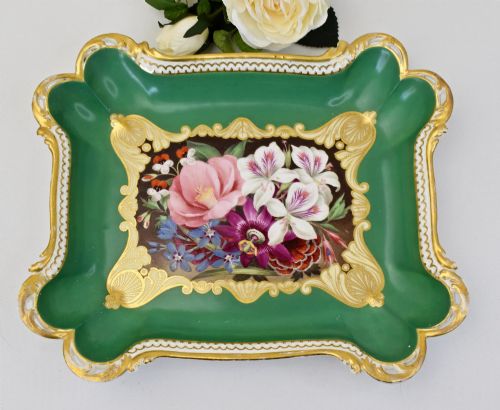
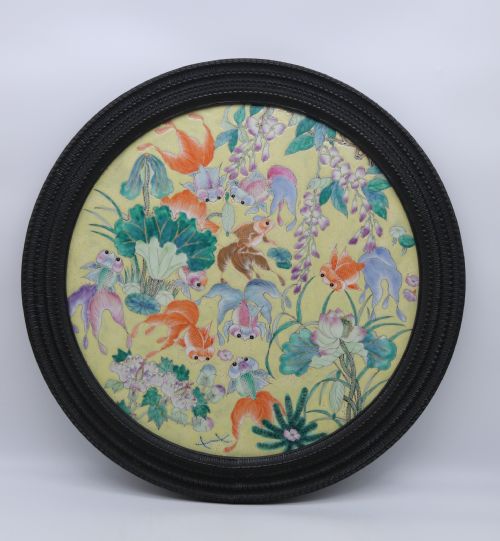
A hand painted ceramic plaque represents a specialised form of fine art where artists painted directly onto a porcelain or ceramic surface rather than canvas or paper. These pieces range from decorative wall art and cabinet plates to dedicated porcelain plaques set within carved wooden frames.
The versions met on this page span the nineteenth century into the early twentieth century, showing influences from Victorian, Edwardian, and Rococo Revival styles alongside botanical and figurative subjects. Makers recorded include Royal Worcester, Vienna, and KPM, demonstrating the high level of artistry achieved by major European manufactories.

How they were made
Makers utilised fine porcelain as the primary canvas, applying layers of detailed paint that were subsequently fired in a kiln to permanently fuse the pigments to the glaze. Many of these artworks were then housed within elaborate enclosures such as giltwood, gilt wood, and gilded wood frames that enhanced their presence as wall art.
Additional materials recorded in the archive and current listings include enamel, glass, and textile elements that complemented the central ceramic panels. The combination of delicate brushwork on rigid porcelain required immense skill from the artists, who often signed their finished works.
Retail Price Guide 2026
Typical UK retail prices for hand painted ceramic plaque, calculated from the Sellingantiques database of over a million retail prices indexed since 2003. This retail price guide relies exclusively on Sellingantiques data; no external sources or auction records are used, so the figures do not describe the wider market.
Young boys eating fruit share space with King Tristan's final moments, proving Victorian porcelain makers painted absolutely anything.
What varies in quality
The calibre of a hand painted ceramic plaque rests heavily on the mastery of the brushwork and the prestige of the maker or artist involved, such as signed pieces by known painters like Stinton. Finely executed portraiture or complex figurative scenes demonstrate a higher degree of draughtsmanship than simpler botanical motifs.
The quality of the surrounding housing also distinguishes the pieces, as original carved frames and giltwood mountings indicate a more substantial investment by the original commissioner. The depth of the enamel work and the clarity of the porcelain body further separate standard decorative items from exceptional examples of European ceramic art.
Royal Worcester·Vienna·KPM
The Hand Painted Ceramic Plaque Glossary
- Porcelain
- A hard, white ceramic material fired at high temperatures, providing a smooth and stable ground for miniature painting. It forms the base of nearly all the pictorial plaques found in these collections.
- Giltwood
- Wood that has been coated with a thin layer of gold leaf or gold paint, frequently used for the ornate frames enclosing these painted panels. It adds warmth and reflection to the artwork.
- Enamel
- A glassy substance fused to metal or ceramic through firing, used to add glossy colour and durable detail to decorative surfaces. It creates a vibrant finish that resists fading over time.
- Charger
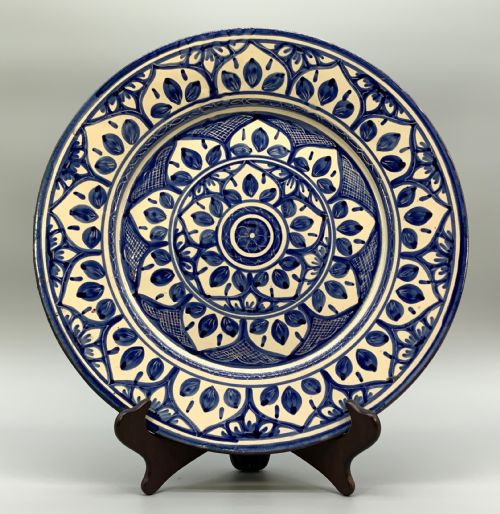
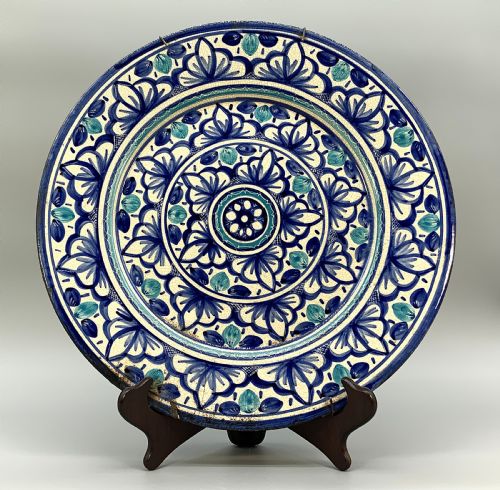
- A large decorative plate intended for display rather than dining, often bearing elaborate painted scenes across its wide surface. These substantial pieces highlight the technical skill of factories like Vienna.
- Stoup
- A small vessel or basin for holy water, sometimes incorporating a ceramic plaque depicting religious figures such as the Virgin and Child. These devotional items combine functional form with sacred imagery.
Frequently Asked Questions
How were these plaques originally displayed?
These pieces were typically hung on walls as independent artworks within carved wooden frames or set directly into architectural woodwork.
Larger charger versions were often displayed on sideboards or mounted on walls using plate hangers to showcase their detailed painted scenes.
Are these plaques fragile?
While the fired porcelain body is durable, the surface paint and any delicate framing require careful handling to avoid chipping or surface abrasion.
Displaying them away from direct sunlight and areas of high humidity helps protect the pigments and the gilded wood surrounds.
How do I identify the period of a plaque?
Dating relies on factory marks stamped or painted on the reverse of the ceramic body, alongside stylistic clues in the painting and framing.
Nineteenth-century examples often feature elaborate figurative or botanical subjects, while early twentieth-century pieces reflect changing artistic tastes around the Edwardian era.
What subjects are most common?
Figurative scenes, botanical studies, and classical portraits dominate the surviving works, reflecting the academic training of the artists employed by major manufactories.
Religious subjects also appear in specific devotional objects like holy water stoups featuring painted ceramic plaques.