




Framed Ceramic Plaque
A framed ceramic plaque brings hand-painted detail and rich glaze work directly to the wall, offering collectors a compact canvas of lasting colour.
Framed Ceramic Plaque
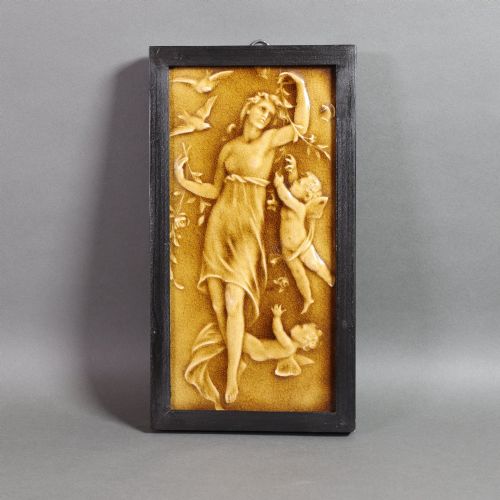
When searching for a framed ceramic plaque, a buyer encounters a diverse group of wall art spanning multiple centuries, from 17th-century Kubachi pottery tiles to 19th-century portrait panels and early 20th-century Arts and Crafts designs. These pieces function primarily as decorative wall plaques, porcelain panels, and framed tiles intended for interior display rather than architectural installation.
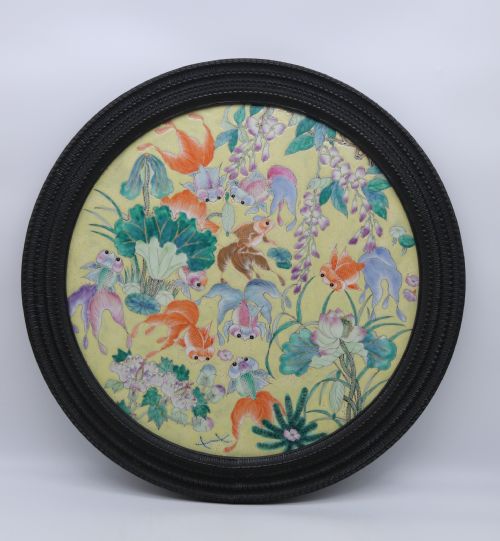
The versions most commonly met on this page originate from European factories and studios during the Victorian and Edwardian eras, alongside pieces from the 1900s, 1920s, and 1930s. Formats range from individual hand-painted porcelain plaques after Renaissance masters to pairs of tiles, Jasperware cameos, and Chinese Republican period porcelain panels.
Makers and makers' marks heavily influence these pieces, with factory output spanning major porcelain houses like KPM, Royal Worcester, and Minton, as well as specialised decorative tiles by Sherwin and Cotton, Longwy, and Mintons. Whether framed in carved wood, giltwood, or ormolu, each item serves as a durable record of historic ceramic artistry.
How They Were Made
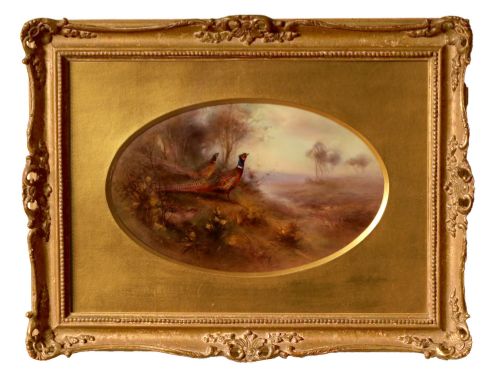
Makers constructed these works using ceramic bases such as porcelain, earthenware, and faience, often applying hand-painted enamels, gilt, and specialist techniques like pâte-sur-pâte to build delicate relief. Porcelain and earthenware bodies provided a smooth white ground suited to miniature portraiture, mythological scenes, and naturalistic bird or floral motifs.
Artisans secured the finished ceramic panels within protective surrounds made of wood, giltwood, or ormolu mounts, preserving the fragile edges and enhancing the display value as wall art. Glazing and firing processes locked the pigments into the ceramic surface, ensuring the painted and relief details survived centuries without fading.
Framed Ceramic Plaque Retail Price Guide 2026
Typical asking prices for framed ceramic plaque among the pieces listed under this phrase on Sellingantiques today, from the lower quarter to the upper quarter. They describe what is for sale here now, not the wider market.
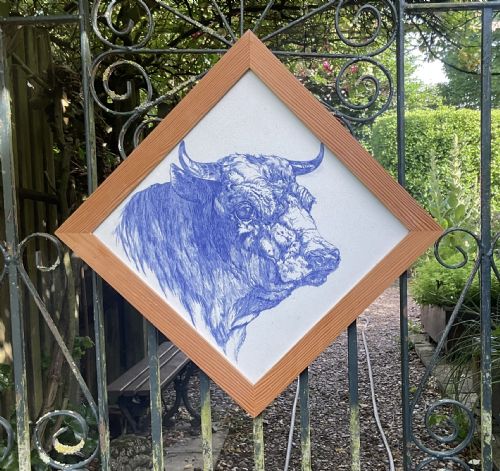
Cheetahs, birds, and children with goats stare out from ceramic frames, proving that 19th-century decorators loved a wild animal as much as a portrait.
What Varies in Quality
The skill of the hand-painting dictates the upper tier of these works, separating factory output painted by known artists like James Stinton or signed by decorators from standard commercial transfer ware. Finely executed brushwork, anatomical precision in portraiture, and careful rendering of subjects after masters like Raphael distinguish superior examples.
The quality of the mounting and framing also shapes the piece, with original carved wood, ormolu frames, or period giltwood settings holding higher artistic integrity than later replacements. The complexity of the ceramic technique itself, seen in intricate pâte-sur-pâte relief or deep Limoges enamelling, marks the distinction between routine production and masterworks.
James Stinton·Royal Worcester·Mintons·KPM·Longwy·Sherwin and Cotton·Richard Ginori
The Framed Ceramic Plaque Glossary
- Pâte-sur-pâte
- A ceramic decoration technique where liquid clay is applied layer by layer to a contrasting background to build a low relief cameo effect. This method requires immense skill from the artist to achieve translucent gradations.
- Faience
- Tinned-glazed earthenware produced across Europe, known for its opaque white surface and vibrant painted pigments. It offers a distinct matte or soft gloss finish compared to hard-paste porcelain.
- Jasperware
- A type of fine stoneware developed by Josiah Wedgwood, characterised by a matte unglazed body and contrasting moulded classical reliefs in white against a coloured ground. It remains a staple of neo-classical decorative design.
- Ormolu
- Gilded bronze mounts and frames used extensively to house fine porcelain plaques during the 19th century. The metallic finish adds architectural weight and decorative luxury to fragile ceramic panels.
- Enamel
- Powdered glass fused onto a metal or ceramic base through high-temperature firing, creating durable, glossy colours. Limoges plaques rely heavily on this technique for rich pictorial depth.
Framed Ceramic Plaque: Frequently Asked Questions
How were ceramic plaques displayed?
These pieces were primarily hung on interior walls as decorative art or placed on small stands for cabinet display. Many retain their original carved wood, giltwood, or ormolu frames designed specifically for domestic settings.
Larger plaques often served as focal points in Victorian and Edwardian reception rooms, while smaller tiles and panels were grouped in pairs or series to create balanced decorative arrangements.
What subjects appear on these plaques?
Portraits of historical figures, royalty, and literary characters dominate many 19th-century porcelain panels. Other common subjects include mythological scenes, still life compositions, and copies of Renaissance masterpieces.
Arts and Crafts pieces frequently feature stylized floral motifs, birds, animals, and semi-nude figures reflecting the design philosophies of the early 20th century.
How do I identify factory marks?
Makers frequently stamped, impressed, or painted factory symbols, ciphers, or artist signatures directly onto the reverse of the ceramic body. Factory names like KPM, Royal Worcester, and Minton often carry specific period ciphers that date the firing.
Signed pieces by individual decorators such as James Stinton or H. Desprez add documented attribution alongside standard factory hallmarks.
Are framed tiles the same as porcelain plaques?
While both fall under wall ceramics, porcelain plaques typically utilise a fine-paste porcelain body intended for delicate miniature painting. Framed tiles often employ heavier earthenware or ceramic bodies made for architectural or decorative use.
Both forms received specialised framing to transition them from functional tilework or factory blanks into finished wall art.