


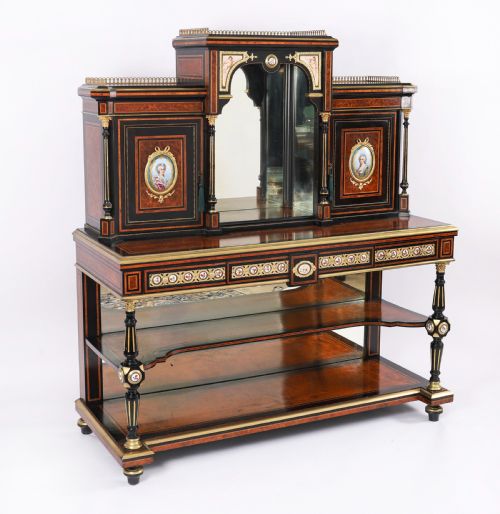
Victorian Porcelain Plaque
A victorian porcelain plaque brings hand-painted colour and ceramic brilliance into fine nineteenth-century cabinet work, making it a focal point for any sophisticated interior.
Victorian Porcelain Plaque
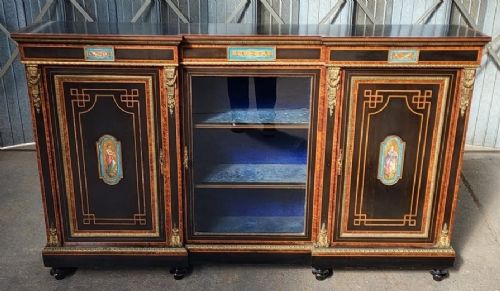
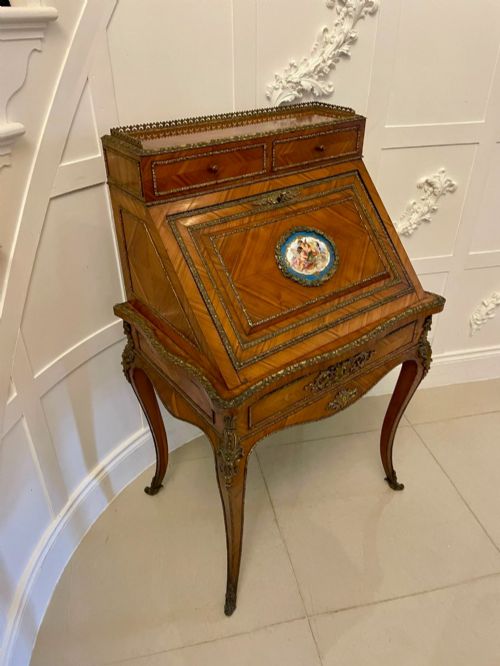
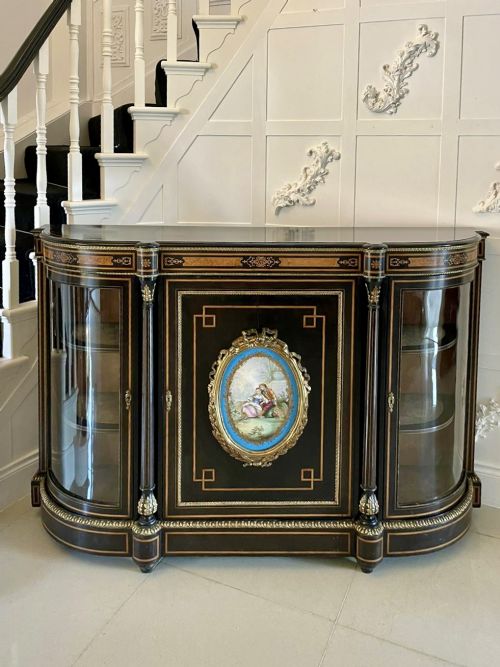
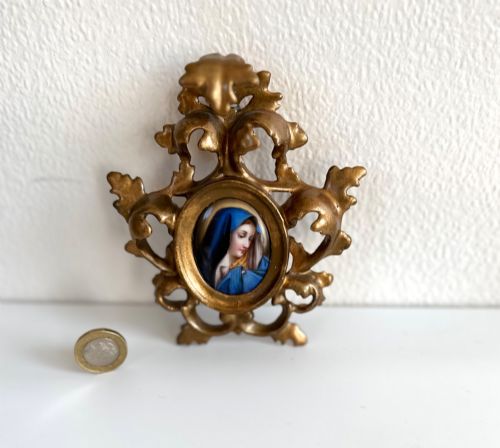
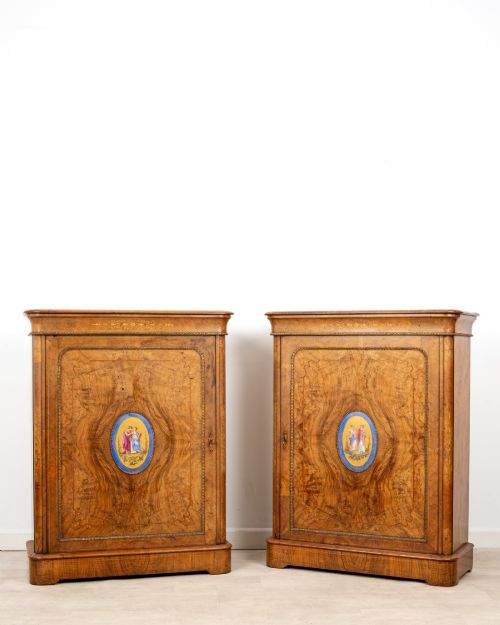
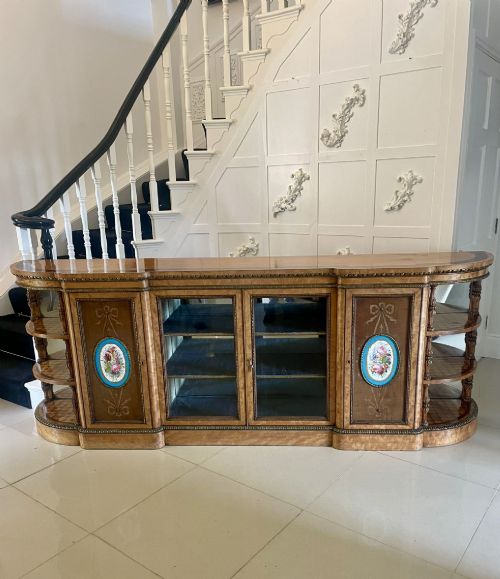
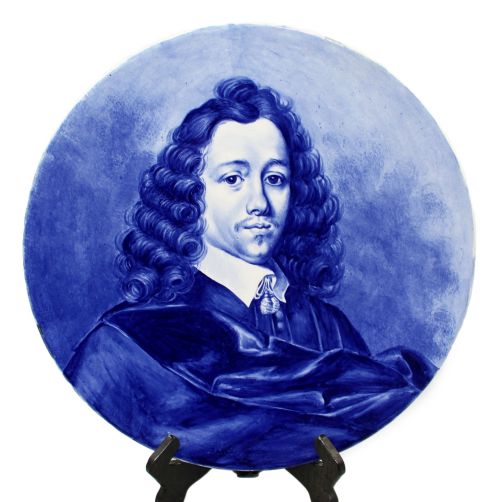
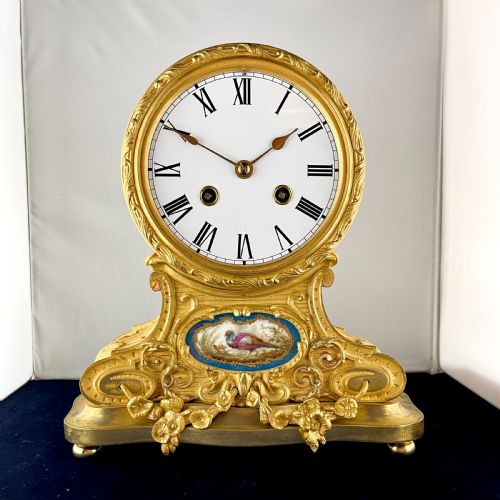
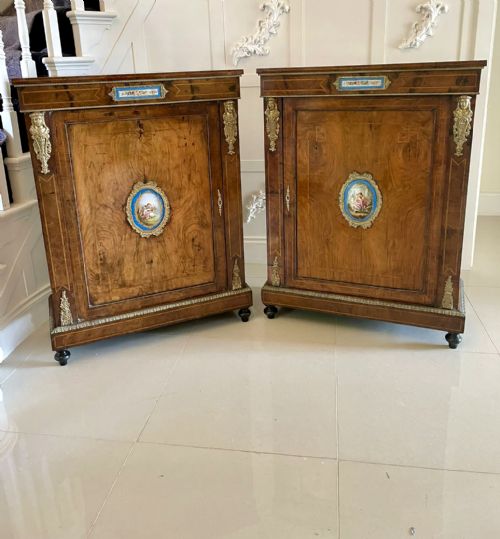
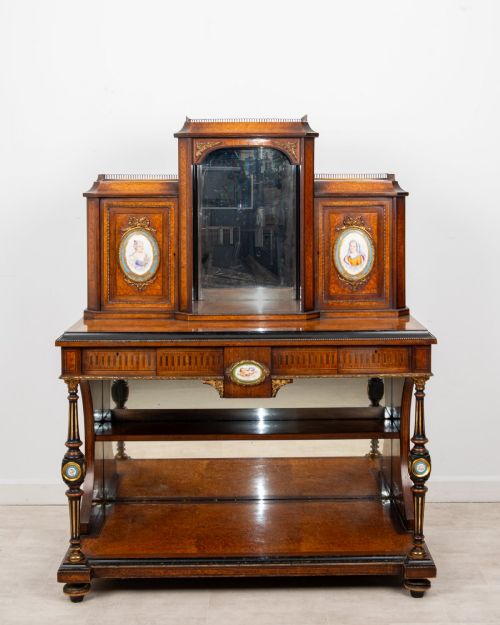
A victorian porcelain plaque typically takes the form of a hand-painted ceramic insert mounted into grand pieces of nineteenth-century furniture such as credenzas, side cabinets, and writing desks. Buyers searching for a victorian porcelain plaque will encounter both standalone framed wall art and decorative panels integrated directly into burr walnut or ebonised cabinetry.
The objects derive largely from French and English workshops of the nineteenth century, reflecting historical revivals that favoured rich cabinet timbers embellished with vibrant ceramic medallions. These items served both a decorative and a status-enhancing role in elite Victorian drawing rooms, combining the fine arts of pottery and cabinet-making.
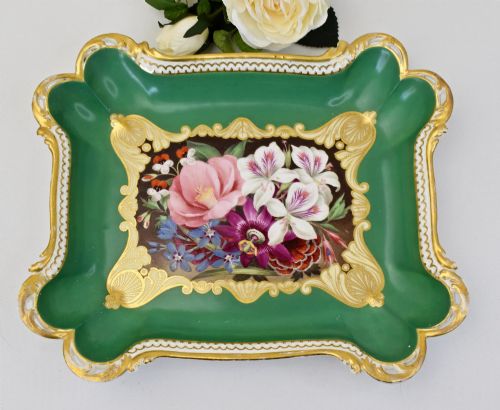
Most examples originate from the middle and late nineteenth century, spanning periods from the eighteen-fifties through to eighteen-ninety. They frequently emerge as oval or rectangular panels decorated with portraits, floral studies, or classical scenes executed in enamel colours.
Materials and Manufacture
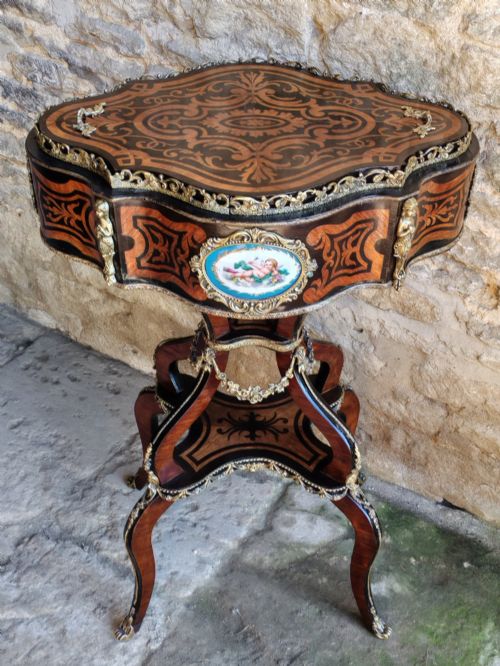
Makers utilised high-fired ceramic bodies painted by hand with mineral enamel colours before subjecting the pieces to a final kiln glaze. These delicate painted plaques were then mounted securely into frames of burr walnut, amboyna, or ebonised wood, often accented with gilt bronze and ormolu mounts.
Cabinet makers integrated the porcelain panels into structural housings alongside marquetry inlay and brass mounts. The surfaces of the ceramics demonstrate careful brushwork, capturing intricate portraiture and botanical details that required steady artistic precision.
Victorian Porcelain Plaque Retail Price Guide 2026
Typical asking prices for victorian porcelain plaque among the pieces listed under this phrase on Sellingantiques today, from the lower quarter to the upper quarter. They describe what is for sale here now, not the wider market.
Victorian households loved ceramic panels so much they even embedded painted porcelain into the lids of heavy library book holders.
Assessing Quality and Artistry
The standard of a victorian porcelain plaque rests primarily on the finesse and detail of the hand-painted brushwork. Superior examples display subtle shading, anatomical accuracy, and depth in figurative or floral subjects, whereas lesser pieces rely on mechanical transfer printing or hasty execution.
The integration of the plaque into its surrounding medium also dictates merit. Finer items feature heavy ormolu bezels, supportive cabinetry in premium timbers like kingwood or burr walnut, and signatures from noted manufactories or individual artists.
Doe and Rogers·Royal Bonn·Royal Worcester·KPM·Sevres·Dresden
The Victorian Porcelain Plaque Glossary
- Ormolu
- Gilt bronze mounts applied to furniture and decorative objects. This technique involved coating cast brass or bronze in a fine layer of gold amalgam to provide a bright metallic finish.
- Credenza
- A grand nineteenth-century side cabinet used for display and storage. These pieces frequently incorporate porcelain plaques within their central and side door panels.
- Bonheur du jour
- A small, light ladies' writing desk popular during the nineteenth century. They often featured tiered superstructures and inlaid porcelain plaques.
- Marquetry
- The art of applying decorative pieces of veneer to a structure to form intricate patterns. It frequently surrounds the ceramic plaques on Victorian cabinetry.
- Pier cabinet
- A tall, narrow display cabinet designed to stand against a wall between windows. They commonly showcased hand-painted porcelain inserts alongside glass doors.
Victorian Porcelain Plaque: Frequently Asked Questions
What subjects appear on these plaques?
The painted scenes frequently include classical portraits, botanical studies, and romantic landscapes derived from earlier artistic masters. Many plaques also display delicate floral arrangements or mythological figures.
Artists occasionally reproduced famous works by Renaissance painters onto the ceramic surface, catering to the Victorian desire for high culture within domestic spaces.
How were these plaques used originally?
They functioned primarily as decorative embellishments set into the wooden facades of high-status furniture like credenzas and writing desks. Some examples were also framed independently to hang on drawing room walls as works of art.
Their inclusion elevated simple cabinetry into luxury showpieces that demonstrated the wealth and refined taste of the owner.
How do I care for my plaque?
Maintenance requires gentle dusting with a soft, dry cloth to protect the delicate enamel painted surface from abrasion. Avoid using chemical cleaners or excessive moisture on both the ceramic and its surrounding wooden mount.
Keep the piece away from direct sunlight to prevent the vibrant enamel colours from fading over time.
Are these items marked by the maker?
Some pieces feature underglaze factory stamps, painted monograms, or artist signatures on the reverse of the ceramic or along the edge of the composition. However, many surviving plaques remain unsigned because they were produced anonymously within larger ceramic manufactories.
Consulting the quality of the brushwork and the surrounding cabinet construction helps establish the likely origin when marks are absent.