







English Ceramic Plaque
An English ceramic plaque brings hand-painted scenery and delicate porcelain into your rooms, offering a window into nineteenth-century artistry.
English Ceramic Plaque
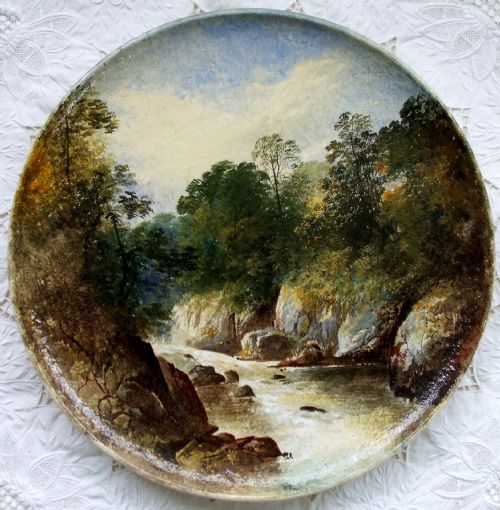
When you search for an English ceramic plaque, you encounter hand-painted porcelain and earthenware designed for display rather than dining. These pieces capture landscape views, classical scenes, and portraits across the nineteenth century and into the early twentieth century.
The selection on this page relies heavily on Victorian and Edwardian examples from major potteries. You find Copeland landscapes, Royal Worcester fruit studies, and Minton pate-sur-pate works alongside cabinet plates and wine cellar bin labels.
Wall art and decorative trays form the core of what remains available today. Copeland pottery plaques signed by artists like William Yale dominate the earlier nineteenth-century offerings.
Materials and painting techniques
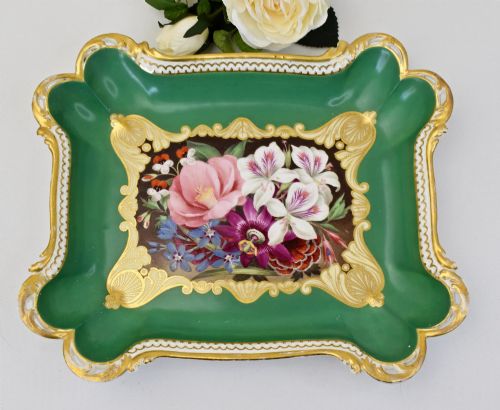
Potters shaped these items from porcelain and earthenware, often applying rich glazes and gold leaf to frame the central imagery. Makers utilised specialised ceramic bodies to achieve smooth surfaces capable of holding fine enamel pigments.
Artists painted these scenes by hand, frequently employing the pate-sur-pate technique where layers of liquid clay build up relief designs upon a contrasting background. Firing in kilns fixed these pigments permanently beneath protective glass-like glazes.
The listings on this page span the nineteenth century and the Edwardian era, featuring porcelain, earthenware, and gold leaf.
Factors determining artistic standard
The skill of the individual artist dictates the worth and visual appeal of each piece. Signed works by noted painters display greater depth of perspective, finer brushwork, and more convincing tonal gradations than anonymous workshop output.
The complexity of the ceramic body and the ambition of the decoration set superior items apart. Elaborate pate-sur-pate detailing and intricate hand-painted scenery require advanced mastery over both clay and kiln.
Copeland Pottery·Royal Worcester·Minton·Royal Doulton·Doe and Rogers
The English Ceramic Plaque Glossary
- Pate sur pate
- A French term meaning paste on paste, describing a method of building up raised white relief decoration in wet clay on a darker tinted ceramic ground. This technique creates subtle translucent effects.
- Cabinet plate
- A decorative ceramic plate intended for display in a cabinet or mounted on a wall rather than for use at the dining table. These items usually feature elaborate painted scenes.
- Earthenware
- A porous pottery body fired at lower temperatures than porcelain. It requires a glaze to become impermeable to liquids.
- Enamel
- Opaque or transparent glass-like substances melted onto the ceramic surface during firing to provide colour and decoration. Enamels retain their vibrancy across centuries.
- Tondo
- A circular work of art, whether a painting or a ceramic plaque. The format directs the viewer's eye toward the centre of the composition.
English Ceramic Plaque: Frequently Asked Questions
How do I hang an antique plaque?
Most wall-hanging plaques feature dedicated wire mounts or pierced foot rings on the reverse designed for secure suspension. Ensure any wall fixings match the weight of the ceramic body before mounting.
Avoid hanging pieces in direct sunlight to protect hand-painted enamel colours from fading over time. Check the security of the mount periodically.
What is pate-sur-pate decoration?
Pate-sur-pate involves painting successive layers of liquid white slip onto a dark unglazed ceramic background. This builds up a cameo-like relief with translucent qualities.
Artists scraped and carved the wet clay to achieve fine details before the piece went into the kiln. Minton used this method to great effect.
Are these items signed by artists?
Many fine examples carry signatures or initials from the painters who executed the scenes. Names like William Yale and Richard Sebright appear directly on the decorated surface.
Signatures confirm the hand of a master decorator, adding historical context to the piece. Unsigned items often originate from the same factory studios.
Were bin labels used for wine?
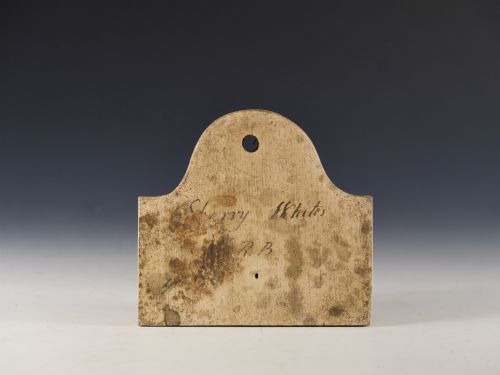
Ceramic bin labels identified specific wines stored in merchant cellars and private country houses during the nineteenth century. They fitted into slots on wine bins.
These durable markers resisted damp cellar conditions while keeping vintages organised. Today they serve as decorative collectibles.