



Porcelain Portrait Plaque
A porcelain portrait plaque captures human likeness in a permanent glaze, offering collectors a striking miniature history preserved in fired ceramic.
Porcelain Portrait Plaque
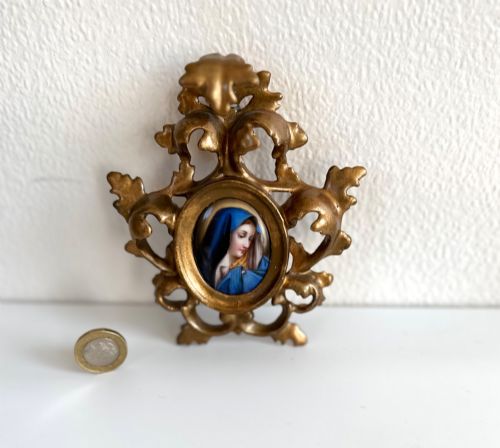
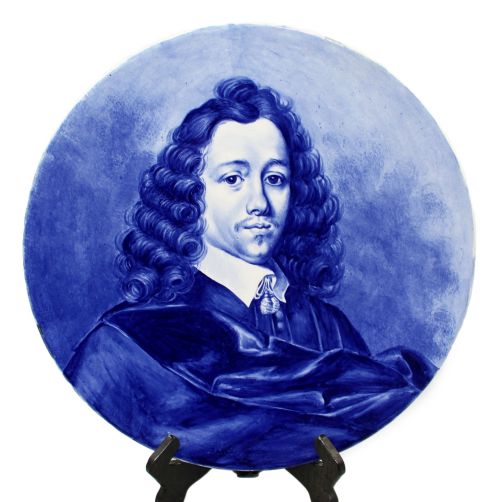
A porcelain portrait plaque presents a painted human likeness upon a ceramic or enamel surface, functioning as independent wall art, cabinet decoration, or set within decorative items such as clocks and brooches. The selections here span the nineteenth century into the early twentieth century, encompassing European and Chinese origins.
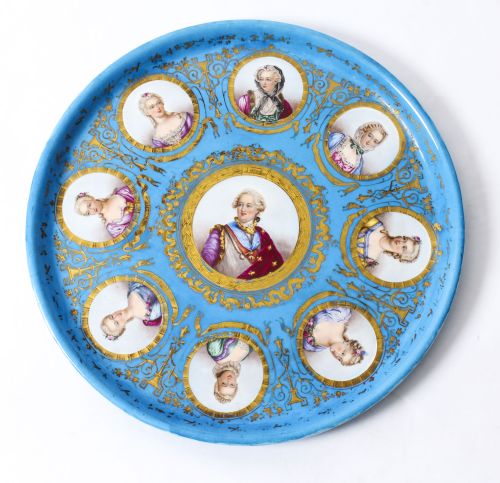
Most examples you encounter date from the nineteenth century, including Victorian pieces, alongside early twentieth-century works from the Republic Period and the 1930s. Forms vary from oval plaques in ormolu frames to large chargers, miniatures, and framed works signed by the artist.
Subjects range from historical figures and monarchs such as Queen Louise of Mecklenburg-Strelitz and Louis XVI to religious icons like the Madonna, alongside literary figures and aristocratic portraits. These pieces reflect diverse cultural aesthetics, from Victorian historicism and rococo revival to Art Deco and Chinese imperial traditions.
Materials and construction
Many items incorporate auxiliary materials such as wood, bronze, and silver for bezels, carved frames, and mountings, particularly on pieces designed as wall plaques, pendants, or mantel clocks.
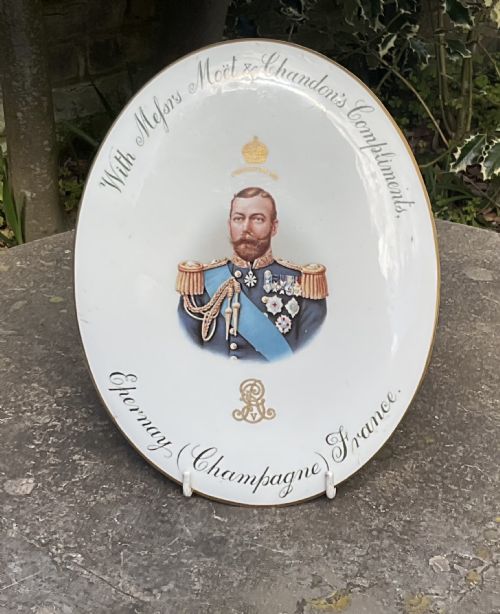
A champagne branding plaque manages to keep company with imperial emperors, court queens, and solemn Madonnas.
Assessing quality
Quality rests upon the finesse of the hand-painted brushwork in the facial expression and the purity of the porcelain body, where superior works display precise anatomical detail and subtle tonal shading without pigment pooling.
The sophistication of the framing and mounting, such as finely chased ormolu, carved giltwood, or solid silver settings, elevates the overall execution of the object.
Van Genden·Royal Vienna·Wagner·KPM·Sevres
The Porcelain Portrait Plaque Glossary
- Porcelain plaque
- A flat ceramic panel fired with pigments to display a decorative image or portrait. These objects were created for display on walls or within protective frames.
- Cabinet plate
- A ceramic plate intended for decorative display in a cabinet rather than dining use. They often feature hand-painted portraits or scenic reserves.
- Ormolu
- Gilt bronze mounted onto decorative arts to provide a polished golden trim. It frequently appears framing nineteenth-century ceramic plaques.
- Charger
- A large decorative plate or plaque used primarily for display on a wall or sideboard. Examples in the evidence span nineteenth-century European factories.
Porcelain Portrait Plaque: Frequently Asked Questions
How do I hang a porcelain plaque?
Most antique plaques arrive fitted with integrated loops, wooden surrounds, or heavy cast metal frames designed for wall mounting. Ensure the chosen fixing matches the weight of the ceramic and its frame.
For pieces set within bronze or giltwood structures, use professional wall anchors to support the combined weight safely without straining the hinges or mountings.
Are these portraits hand painted?
The majority of nineteenth-century and early twentieth-century examples feature meticulous hand-painted details over glazed or biscuit porcelain surfaces. Signature marks and fine brushwork indicate individual artistic execution.
Close examination under magnification reveals the individual pigment strokes characteristic of miniature portraiture on ceramic.
How should I clean a framed porcelain plaque?
Dust the ceramic surface gently with a soft, dry brush to prevent abrasive particles from scratching the glaze. Avoid liquid cleaners that might seep behind the frame or damage delicate overglaze enamels.
Clean surrounding giltwood or ormolu metal frames with a dry cloth, keeping moisture entirely away from the junction between the porcelain and its mount.
What periods do these portrait plaques represent?
The pieces span the nineteenth century, including Victorian production, the Edwardian era, and early twentieth-century outputs up to the 1930s. Styles range from rococo revival to Art Deco and Chinese imperial periods.
Each era brings distinct framing choices, from heavy gilt bronze ormolu to carved wooden surrounds and simple silver brooch mounts.