




Gold Gilt Porcelain Plaque
A gold gilt porcelain plaque brings the rich narrative and hand-painted artistry of European factories straight onto the drawing room wall.
Gold Gilt Porcelain Plaque
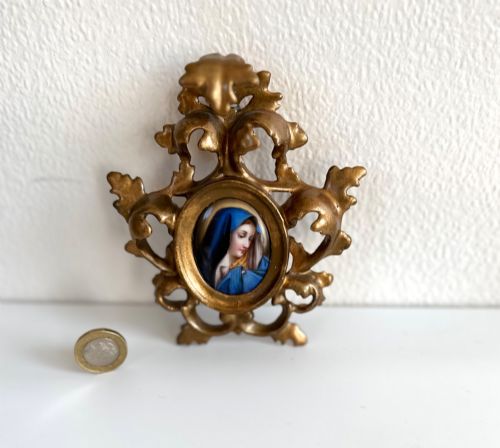
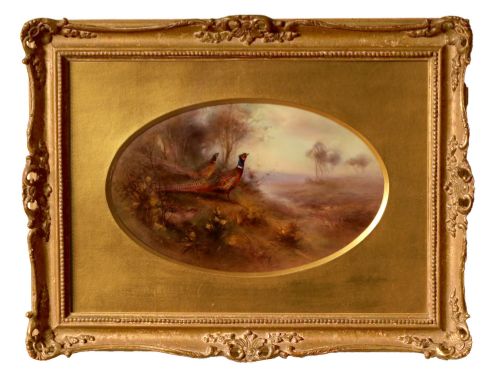
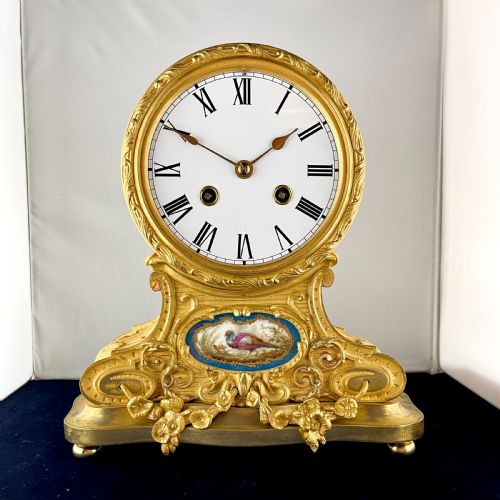
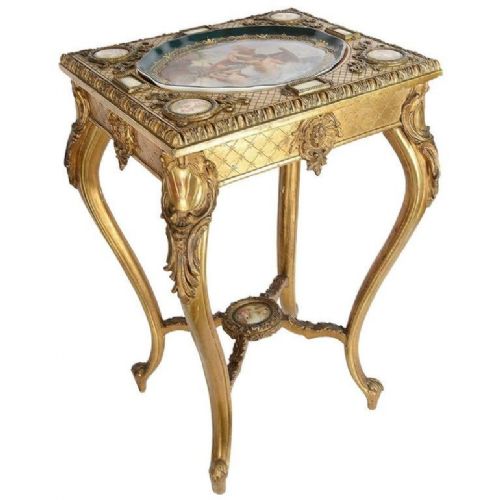
A gold gilt porcelain plaque represents a union of ceramic painting and ornamental framing, originating predominantly from nineteenth-century European production centres. These objects take the form of wall art, decorative plates, mounted clock panels, and miniature portraits framed in gilt bronze, wood, or ormolu. Buyers encounter examples ranging from cabinet plates to substantial framed panels, often depicting classical histories, religious subjects, or avian studies.
The nineteenth century dominates the available selection, spanning Victorian creations, Edwardian pieces, and earlier eighteenth-century French porcelain dishes. Makers from Vienna, Berlin KPM, Sevres, and Royal Worcester produced these works, frequently signing the hand-painted surfaces after master artists. The framing often matches the aesthetic movement of the ceramic centrepiece, utilising rococo revival, neoclassical, or French revival designs.
Materials and methods of construction
The foundation of every gold gilt porcelain plaque is a hard-paste or soft-paste ceramic body, fired at high temperatures before receiving intricate hand-painting in enamel pigments. Artisans then applied liquid gold or gold leaf to the porcelain borders and decorative motifs, subjecting the pieces to subsequent firings to bond the metallic lustre. This ceramic core is paired with structural housings of gilt bronze, brass, or carved wood, creating a heavy and durable composite object.
Mounting techniques involved securing the fragile porcelain panel within a rigid metal or wooden frame, frequently utilising velvet linings or ormolu mounts to cushion the ceramic edge. The gilding process required meticulous hand-application, allowing artisans to tool the gold surface for burnished highlights that contrast against the matte polychrome enamel of the painted scene.
Several plaques depict grand classical dramas, yet one humble Victorian pairing simply records the quiet charm of original painted tiles.
Distinctions in craftsmanship and execution
Quality rests heavily upon the skill of the painter, where signed works by known porcelain artists display a finesse in brushwork and facial expression that anonymous factory pieces lack. The depth and purity of the hand-applied gold leaf or ormolu mounting also separate standard decorative wares from high-end exhibition pieces.
The weight and preservation of the surrounding frame, whether carved giltwood or chased gilt bronze, contribute significantly to the overall integrity of the object. Porcelain panels that retain their original unblemished enamels and crisp, unrubbed gilding sit firmly at the upper end of the tier.
James Stinton·Royal Worcester·Vienna·KPM·Sevres
The Gold Gilt Porcelain Plaque Glossary
- Gilt bronze
- An alloy of copper and zinc finished with a layer of gold amalgamation, commonly used for the heavy ornamental frames and clock mounts surrounding these plaques.
- Cabinet plate
- A decorative ceramic dish intended for display in a cabinet or mounted on a wall rather than for dining use.
- Enamel
- Vitreous coloured glass fused to the porcelain surface during firing, providing the vibrant pigments used for miniature portraits and landscape scenes.
- Ormolu
- Finely ground high-carat gold applied to a bronze base, providing the bright metallic finish seen on French and English nineteenth-century frames.
- Hard-paste porcelain
- A durable ceramic composition of kaolin and petuntse fired at extreme temperatures, serving as the preferred canvas for fine European portrait plaques.
Gold Gilt Porcelain Plaque: Frequently Asked Questions
How do I hang a heavy porcelain plaque safely?
Most substantial plaques feature robust integrated loops or heavy gilt frames designed for secure wall mounting. Use fixings rated for the combined weight of the ceramic panel and its metal housing.
Ensure the hanging wire or bracket bears the load evenly to prevent strain on the antique frame joints.
What is the best way to clean gilt frames?
Dust the carved wood or gilt bronze gently with a dry, soft-bristled brush to remove surface particles. Avoid liquid cleaners and chemical solvents, which strip the delicate gold leaf.
Take care not to let cleaning cloths snag on the raised edges of the ormolu mounts.
Are these plaques meant to sit on stands?
Certain porcelain plaques and cabinet plates are designed with fitted easel stands for tabletop display. Others are built strictly for wall suspension or integration into furniture.
Check the reverse of the frame for original brackets before selecting a display method.
How do I identify a hand-painted plaque?
Examine the surface under magnification to reveal individual brushstrokes and slight variations in the enamel pigment layers. Transfer-printed items show uniform dot patterns under close inspection rather than fluid artist brushwork.
Many high-quality examples bear the artist signature directly on the front or factory marks on the reverse.