




Antique Porcelain Wall Art
These antique porcelain wall art pieces bring hand-painted ceramic beauty to interiors through framed plaques, chargers, and decorative plates.
Antique Porcelain Wall Art
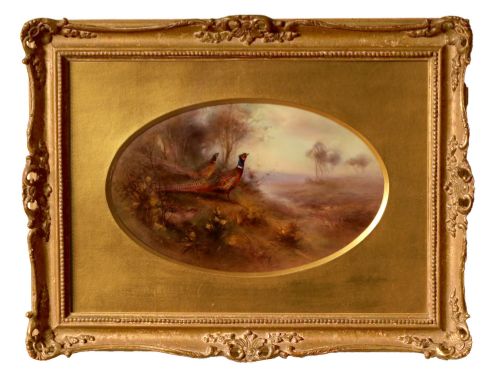
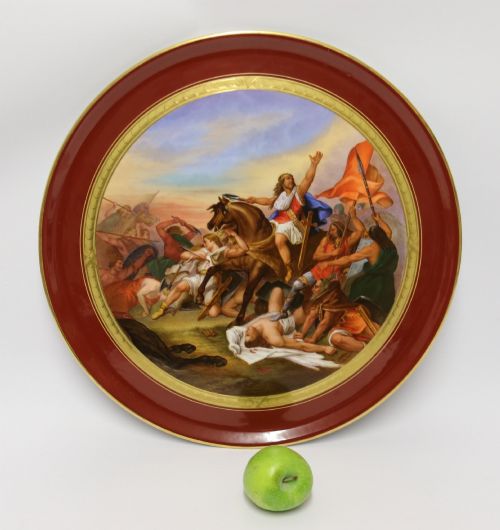
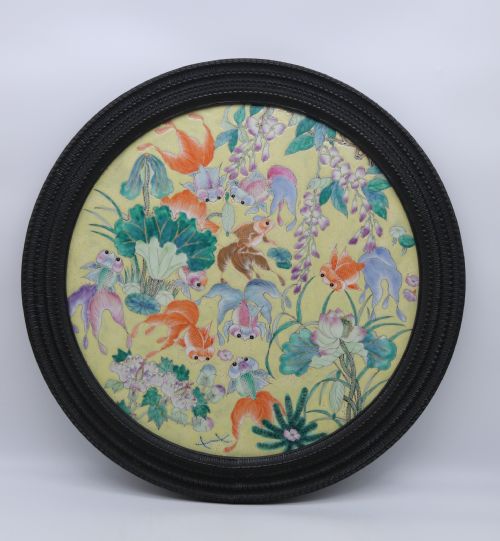
When you examine antique porcelain wall art, you encounter a diverse range of items including hand-painted plaques, chargers, and decorative plates designed specifically for display. These objects cross several distinct periods, spanning the Victorian era, the Edwardian period, and the late nineteenth century.
The selections available here frequently showcase European manufactories alongside Japanese Imari wares and Meiji period pieces. You are likely to meet framed portrait plaques, scenic landscapes, and vibrant chargers featuring traditional motifs or interpretations of Renaissance masters.
Materials and production methods
The pieces rely primarily on fine porcelain bodies, often enhanced with intricate glaze work and detailed hand-painting. Artisans employed enamel pigments to achieve rich colour palettes on subjects ranging from portraits to botanical studies.
Many items incorporate supplementary materials such as giltwood frames, gold leaf accents, and glass protection. Specialised techniques like pate-sur-pate and cloisonne cloisonning on porcelain surface structures appear across specific nineteenth and early twentieth century works.
The listings combine nineteenth century European portrait plaques with Japanese Meiji period Imari chargers and Edwardian painted ceramics.
Assessing quality in ceramic display pieces
The standard of a painted porcelain plaque rests upon the precision of the brushwork and the depth of the enamel firing. Pieces bearing signatures from recognised artists or established factories demonstrate superior execution compared to unmarked commercial wares.
Framing and mounting also dictate overall merit, as original or period-appropriate giltwood frames and carved housings preserve the integrity of the wall art. The complexity of the subject matter, from multi-figure historical scenes to delicate still lifes, separates standard items from exceptional examples.
James Stinton·Royal Worcester·Vienna·KPM·Sevres·Birks·Minton·Limoges·Copeland Pottery
The Antique Porcelain Wall Art Glossary
- Charger
- A large ornamental plate intended for display on a wall or dresser rather than for dining use. These items often feature elaborate hand-painted central scenes.
- Plaque
- A flat panel of porcelain created to be mounted in a frame or hung directly on a wall. They frequently serve as ceramic canvases for portraiture or landscape painting.
- Imari
- A style of Japanese export porcelain characterised by a palette of underglaze blue, iron red, and gilt. The tradition strongly influenced European ceramic decoration during the nineteenth century.
- Pate-sur-pate
- A method of ceramic decoration where relief designs are built up using layers of liquid white clay on a coloured slip background. This technique creates a translucent cameo effect.
- Cloisonne
- A decorative metalwork technique where enamel compartments are formed by soldered wire, which appears on specialised porcelain bodies in this collection.
Antique Porcelain Wall Art: Frequently Asked Questions
How do I hang porcelain wall art safely?
Most antique porcelain plaques and chargers rely on secure, fitted frames or specialised mounting brackets attached to the back structure. Ensure the weight is properly supported by wall anchors rather than relying solely on the decorative hanging ring.
Check that the porcelain sits firmly within its frame without excessive movement to prevent chipping or stress fractures over time. Professional framing conservation can provide custom mounting solutions for heavier charger pieces.
What is the difference between a charger and a plate?
Chargers are substantially larger than standard dining plates and were specifically produced for decorative display on walls or sideboards. Their increased surface area provided artists with a wider canvas for complex pictorial compositions.
Plates in this category, such as Imari service pieces, often appear in matched sets designed to create a coordinated decorative statement across a wall space.
How should I clean antique painted porcelain?
Dust porcelain wall art gently using a soft, dry ostrich feather duster or a clean, soft-bristled brush. Avoid using water, chemical cleaners, or abrasive cloths, as these can damage delicate enamel paints, gilt highlights, and exposed ceramic surfaces.
Keep pieces away from direct, strong sunlight to prevent the fading of hand-painted colours and organic pigments over extended periods.
Are these pieces signed by artists?
Many nineteenth and twentieth century porcelain plaques and ceramic panels bear artist signatures or factory marks on the front surface or the reverse. Signatures by notable painters add significant interest for collectors studying specific factory traditions.
Unsigned pieces remain common and are usually identified by the stylistic traits, paste characteristics, and factory stamps associated with specific European or Asian workshops.