

19th Century Porcelain Painting
These 19th century porcelain painting pieces offer finely rendered painted plaques mounted in ornate frames, prized for their decorative presence on the wall.

What 19th century porcelain painting is
When you search for 19th century porcelain painting, you find framed decorative plaques and wall art that bring detailed painted imagery into interior spaces. These objects combine fired ceramic surfaces with ornate surrounds, originating from the nineteenth century in various European traditions.
The pieces on this page comprise examples from the Victorian era and the Rococo Revival style. They take the form of oval and rectangular wall plaques, often depicting portraits or allegorical subjects such as the figure entitled Spring.
Buyers frequently encounter works signed by artists alongside unsigned examples. Each piece relies on the visual impact of the painted ceramic surface framed for domestic display.
Materials and construction
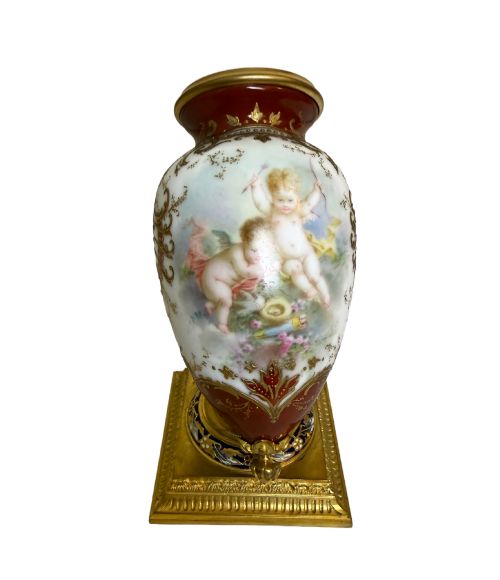
Makers utilised porcelain as the primary canvas for detailed miniature painting, applying pigments that were fired to fuse permanently with the ceramic body. Enamel paints provide rich colouration and lasting stability on the smooth white surface.
The finished plaques are housed in elaborate surrounds constructed from carved wood, gilded wood, giltwood, textile, and cast ormolu. These varied mountings frame the painted porcelain and provide secure hanging hardware for the wall.
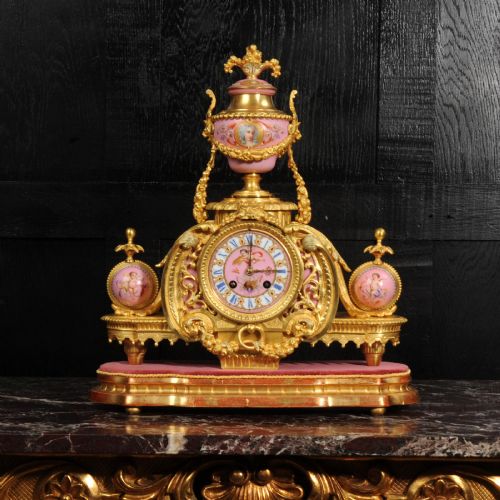
Current listings feature nineteenth-century items incorporating porcelain, enamel, ormolu, and carved giltwood within Victorian and Rococo Revival styles.
Judging quality in porcelain painting
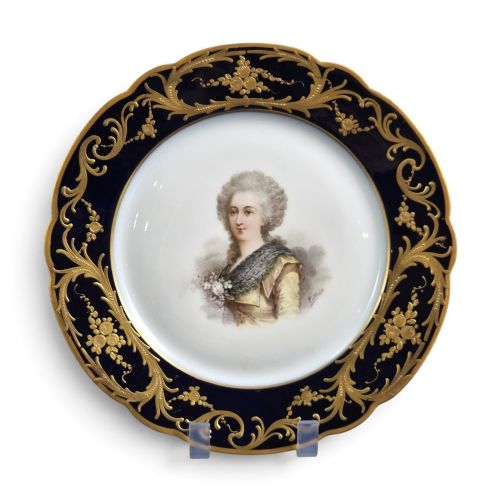
Quality rests in the precision of the brushwork and the expressiveness of the painted subject, particularly in portraiture where fine detail defines the better examples. The handling of colour and shading across the porcelain surface separates accomplished studio work from simpler output.
The execution and material of the frame also dictate the overall standard of the piece. Elaborate carved wood, intricate gilding, and quality ormolu mounts elevate the status of a plaque compared to simpler housing.
Berlin
The 19th Century Porcelain Painting Glossary
- Porcelain
- A hard, white, translucent ceramic material fired at high temperatures. It provides a smooth, stable ground for miniature painting.
- Ormolu
- Gilded bronze or brass used for decorative mounts and frames. It adds a bright metallic accent to nineteenth-century display pieces.
- Giltwood
- Wood that has been coated with a thin layer of gold leaf or gesso and gilding. This technique frames painted plaques with a warm, reflective surface.
- Plaque
- A flat, ornamental panel intended for wall mounting. In this context, it serves as the rigid support for the painted scene.
Frequently Asked Questions
What is a porcelain plaque?
A porcelain plaque is a flat ceramic tablet decorated with painted imagery and fired to fix the pigments permanently. These pieces function primarily as wall art rather than functional tableware.
They are mounted within decorative frames of wood, textile, or ormolu for domestic display.
How were these plaques displayed?
Nineteenth-century painted plaques were designed specifically for wall hanging within domestic interiors. Their ornate frames allowed them to serve as focal points in reception rooms and parlours.
The inclusion of carved wood, giltwood, and ormolu mounts ensured they complemented other decorative arts of the period.
Are all porcelain paintings signed?
Not all pieces bear an artist signature or a factory mark. Many fine nineteenth-century plaques remain unsigned by the hand that painted them.
The absence of a signature does not diminish the visual quality of the brushwork or the decorative value of the framing.
What subjects appear on these plaques?
Portraiture of young women and allegorical figures form the primary subjects seen in nineteenth-century examples. Titles such as Spring indicate thematic representations popular during the Victorian and Rococo Revival periods.
These painted scenes rely on meticulous detail and smooth enamel gradients across the ceramic surface.