



Porcelain Portrait Miniature
These porcelain portrait miniatures offer intimate glimpses of past faces, painted with delicate precision on fine ceramic surfaces.

Porcelain Portrait Miniature
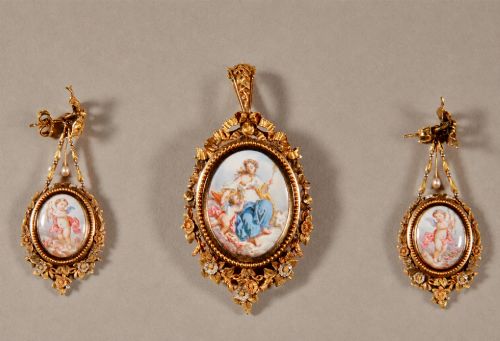
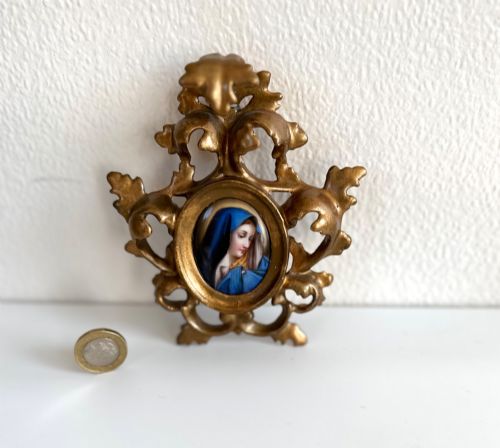
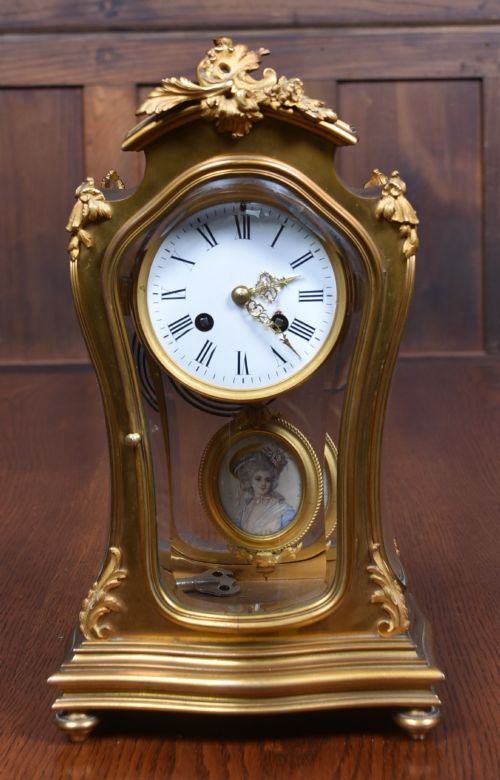
A porcelain portrait miniature captures a likeness on a small ceramic ground, often framed for display or mounted in personal items. Buyers searching for a porcelain portrait miniature encounter works that range from independent wall plaques to small paintings set within clocks and jewellery.
The pieces appearing on this page span the nineteenth century into the twentieth, showing subjects that include historical figures, religious icons, and anonymous sitters. Such works often take the form of plaques, brooches, or cabinet plates produced in European studios.
Assessing quality
The quality of the surrounding mount, whether cast ormolu, carved wood, or precious metal, often reflects the importance of the miniature portrait itself. Well-preserved frames that retain their original gilding enhance the overall integrity of the piece.
Porcelain Portrait Miniature Retail Price Guide 2026
Typical asking prices for porcelain portrait miniature among the pieces listed under this phrase on Sellingantiques today, from the lower quarter to the upper quarter. They describe what is for sale here now, not the wider market.
Some portrait subjects gaze out from inside functional jewel boxes, keeping their painted watch over your daily trinkets.
Coalport·K P M·Limoges
The Porcelain Portrait Miniature Glossary
- Porcelain plaque
- A flat ceramic tablet fired at high temperatures to provide a stable, smooth ground for fine miniature painting. These pieces were often produced separately before being mounted into frames or furnishings.
- Ormolu
- Gilded bronze or brass mounts used extensively in nineteenth-century decorative arts to frame porcelain plaques and clocks. The technique involves applying a gold amalgam to a base metal.
- Cabinet plate
- A decorative ceramic plate intended for display in a cabinet or on a wall rather than for dining use. These items frequently feature finely painted portraits or historical scenes.
- Enamel
- Vitrified glass powder fused to a metal or ceramic surface through firing, creating vibrant and durable colours. Miniature painters used enamel colours for their intense pigmentation and lasting finish.
Porcelain Portrait Miniature: Frequently Asked Questions
How should I display porcelain portrait miniatures?
Display these pieces away from direct sunlight to protect the enamel colours from fading over time. Wall-mounted plaques and framed miniatures benefit from stable indoor environments.
Items set into jewellery or trinket boxes require careful handling to prevent scratching the delicate painted surface or the surrounding metal mount.
Are these miniatures signed by artists?
Many porcelain portraits feature signatures or initials painted directly into the ceramic surface by the artist. Some pieces also carry factory marks on the reverse.
Factory marks help identify the pottery or porcelain works responsible for producing the blank plaque before the painting took place.
What periods do these miniatures come from?
The available pieces primarily date from the nineteenth century, including Victorian and Edwardian examples. Earlier works from the eighteenth century appear occasionally.
Stylistic indicators such as frame design and painting technique help distinguish Victorian productions from later twentieth-century pieces.