


Georgian Style Miniature Portrait
A georgian style miniature portrait captures a vanished face in watercolour or oil, offering intimate charm that draws collectors to display them in groups.
Georgian Style Miniature Portrait
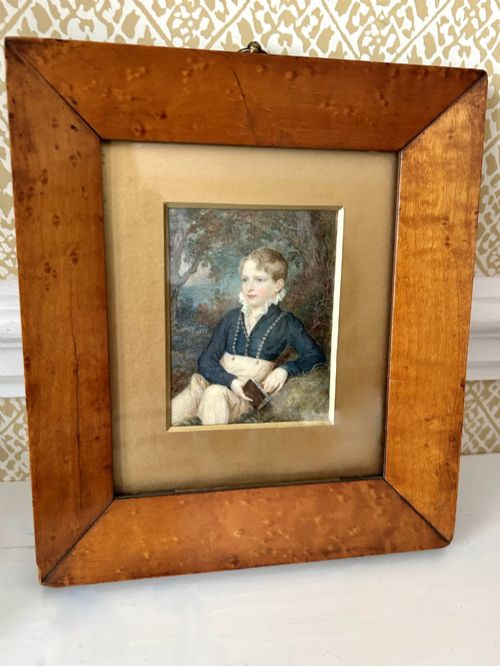
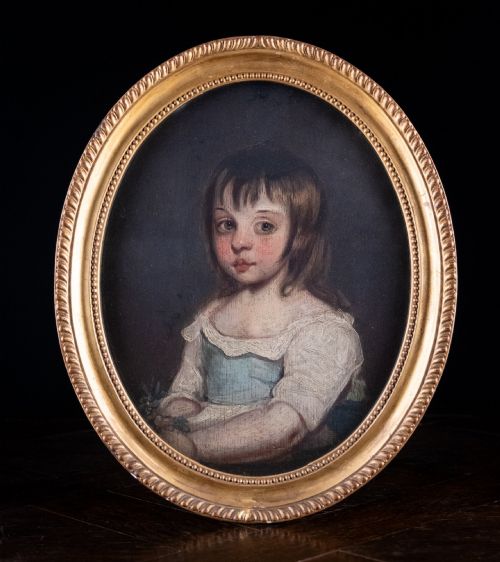
A georgian style miniature portrait brings small-scale figurative painting into domestic spaces through framed artwork, portrait miniatures, and wall art. These pieces capture sitters in delicate detail, reflecting the aesthetic standards of earlier centuries through later revivals.
Buyers encountering this group will see works spanning the eighteenth century, the nineteenth century, and Regency periods, alongside Victorian and Georgian Revival examples. Forms range from single framed pieces and oil paintings to silhouette studies and porcelain plaques.
Most items on this page lean towards nineteenth-century interpretations of earlier portraiture traditions. They include signed watercolours, pencil drawings, and framed silhouettes that mimic the intimate scale of traditional limners' work.
Materials and construction
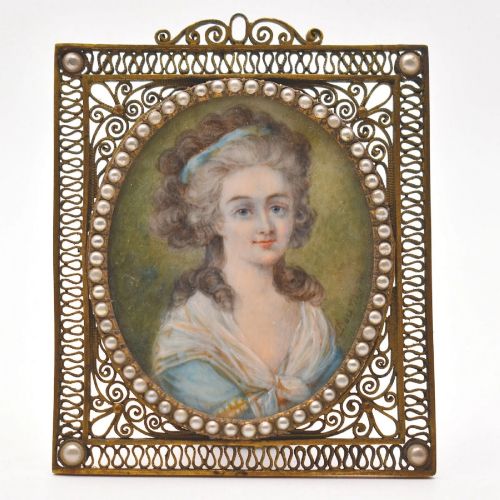
Frames play a crucial role in presentation, incorporating brass, gilt wood, and gold mounts to protect and elevate the artwork. Glass covers the delicate painted surfaces, while seed pearls occasionally embellish the surrounding bezels of stick pins and pendants.
Materials represented across the inventory include watercolour, oil paint, paper, glass, brass, gilt wood, and gold.
Distinctions in quality
Finer portrait miniatures display exceptional control of the medium, rendering light, expression, and fabric texture with remarkable precision despite the tiny canvas. Weaker examples rely on formulaic brushwork and stiff postures that lack individual character.
The housing of the portrait reveals much about its original status, with heavy gilt wood frames, pressed white glass paste, and precious metal mounts indicating higher ambition. Simple timber frames and later replacement backing point to more utilitarian or decorative production.
Dumont·William Wood·William Egley·James Tassie·Louis Léopold Boilly
The Georgian Style Miniature Portrait Glossary
- Portrait Miniature
- A small-scale painting executed on ivory, paper, vellum, or card, designed for personal carriage or intimate domestic display.
- Silhouette
- A portrait profile filled in with a solid dark colour, usually cut from black paper or painted on a light background.
- Gilt Wood
- Timber carved and surfaced with a thin layer of gold leaf or gold paint, frequently used for picture and mirror frames.
- Paste
- A type of lead glass cut and polished to imitate gemstones, often set into jewellery and small decorative frames.
- Plaque
- A flat, ornamental plate of porcelain or metal bearing a painted or enamelled image.
Georgian Style Miniature Portrait: Frequently Asked Questions
How were these miniature portraits displayed?
Owners typically hung these small artworks closely together on drawing room walls to create dense arrangements known as picture clusters. Others kept them protected in travel cases or integrated them into personal accessories like stick pins and lockets.
This method allowed sitters to remain close to family members during journeys or to showcase lineage and connections to visiting guests.
What materials did artists use for these portraits?
Artists worked primarily with watercolour, pencil, and oil paint on paper or prepared surfaces. Finer examples incorporated delicate supports like porcelain plaques or ivory, protected behind glass.
Frames were constructed from timber, brass, and gilt wood, occasionally featuring precious metals and seed pearls for wearable pieces.
How do I distinguish between periods?
Eighteenth-century pieces often display specific clothing styles, hair powder, and framing conventions typical of the Georgian era. Regency and nineteenth-century works shift towards softer romantic styling, romantic collars, and different framing profiles.
Revival pieces from the later Victorian period borrow these earlier traits while employing manufacturing techniques and materials characteristic of the late nineteenth century.
Are silhouettes considered miniature portraits?
Silhouettes represent a distinct branch of miniature portraiture that focuses entirely on profile outlines rather than full polychrome painting. These cut paper or ink pieces achieved immense popularity for their speed and accuracy in capturing a likeness.
They share the same intimate scale and framing traditions as painted miniatures of the same period.