




Antique Ceramic Wall Plaque
An antique ceramic wall plaque brings colour and character to a room, offering a lasting focal point for interior display.

Identifying an antique ceramic wall plaque
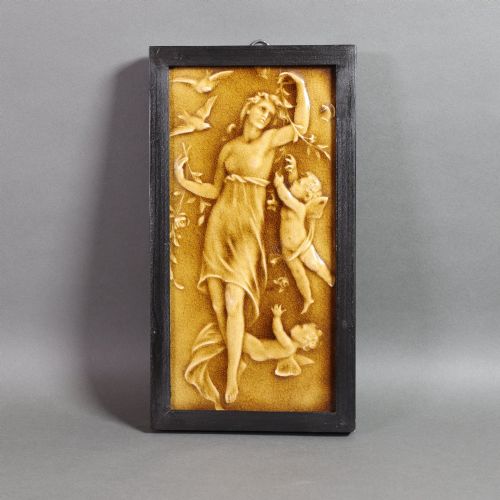
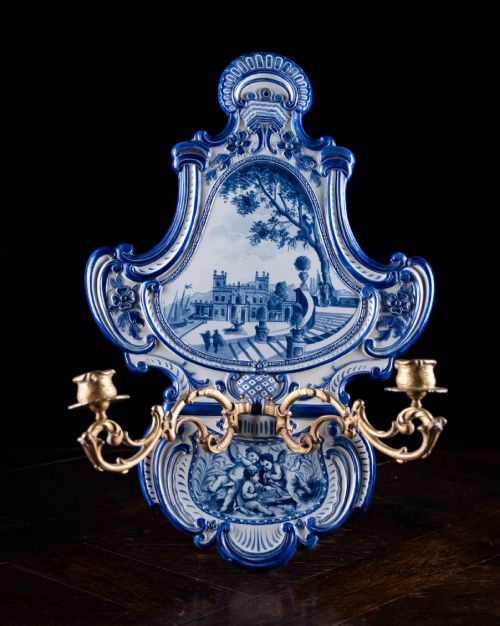
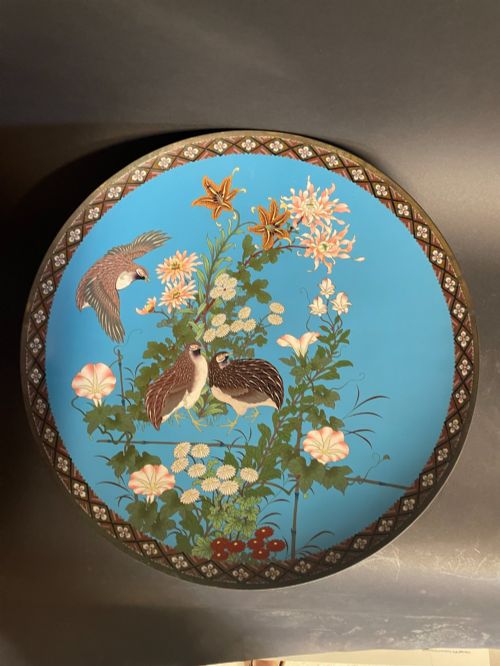
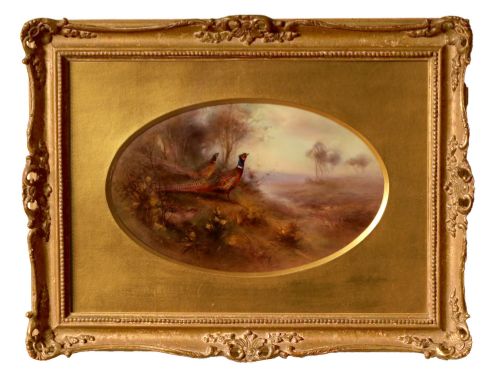
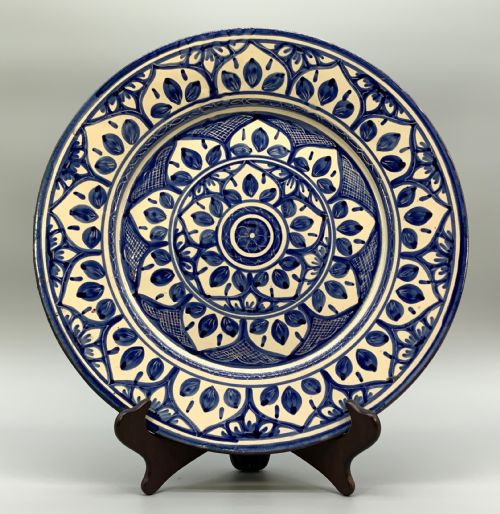
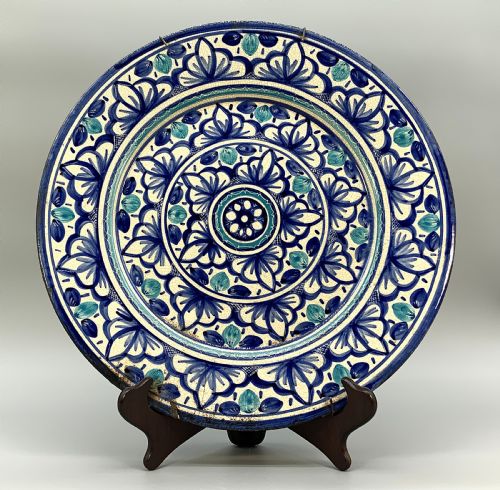
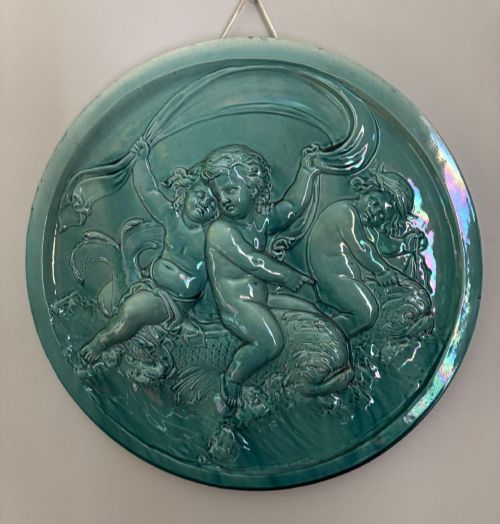
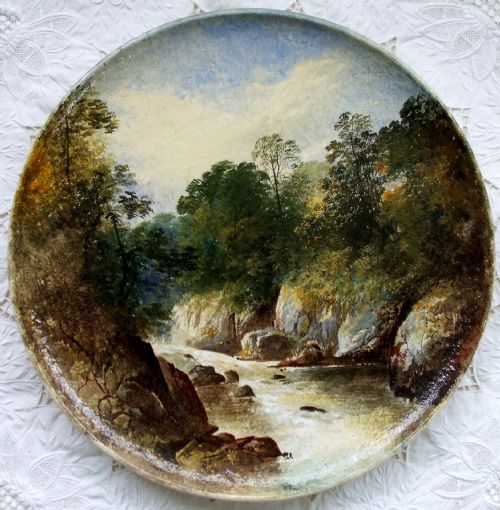
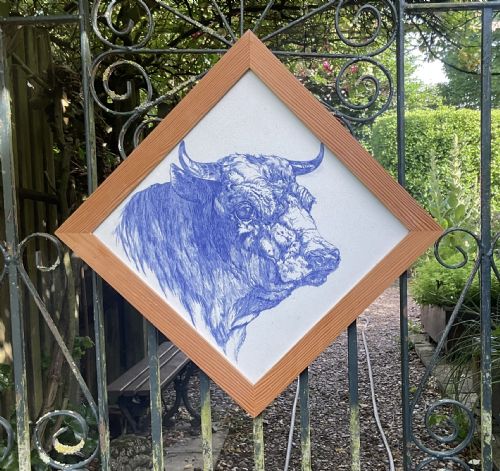
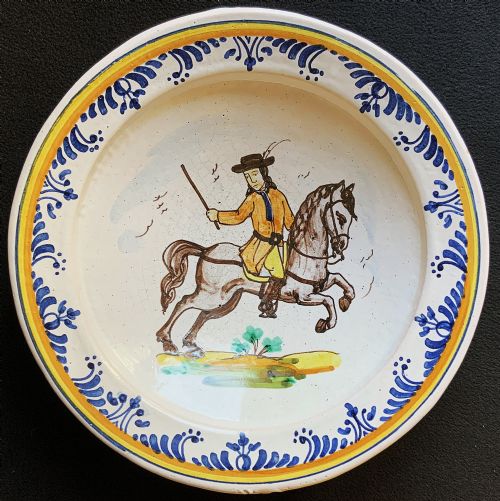
An antique ceramic wall plaque is a decorative piece designed specifically for display on a wall, capturing scenes, portraits, and traditional verses. When searching for an antique ceramic wall plaque, collectors encounter diverse forms including portraits, topographical scenes, and commemorative items.
The pieces available span the nineteenth century, including Victorian examples and items dating around eighteen ninety. Forms range from dedicated wall plaques and decorative plates to salesman samples and pottery pot lids.
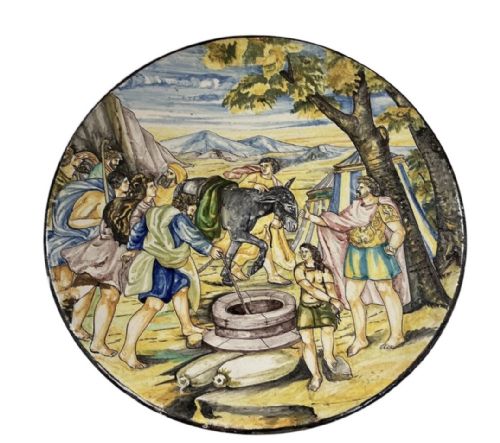
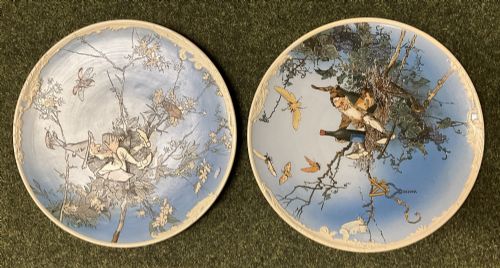
Origins represented in the listings include Scottish Portobello and Austrian majolica. These items reflect the broader decorative arts of nineteenth century Europe and Victorian folk art.

Methods of manufacture
Makers utilised earthenware, glazed earthenware, and porcelain as the primary base materials for these wall decorations. Potters shaped these clays before applying coloured glazes to create durable surfaces.
Techniques involved firing the ceramic body and applying surface decoration, sometimes incorporating gilt or gilded wood frames alongside textile elements. Prattware pieces utilised specific multi-colour relief printing and glazing methods on pot lids.
Retail Price Guide 2026
Typical UK retail prices for ceramic wall plaque, calculated from the Sellingantiques database of over a million retail prices indexed since 2003. This retail price guide relies exclusively on Sellingantiques data; no external sources or auction records are used, so the figures do not describe the wider market.
Assessing quality in ceramic plaques
Quality separates standard decorative items from superior examples through the fineness of the painting and the depth of the glaze. Hand-painted portraits and intricate majolica modelling demonstrate a higher level of artisan skill than mass-produced pieces.
The preservation of the ceramic surface and any accompanying gilt wood or textile framing dictates the overall integrity of the piece. Clear detail in relief work and well-preserved polychrome colours elevate an individual wall plaque within its period.
The Antique Ceramic Wall Plaque Glossary
- Earthenware
- A porous pottery body fired at lower temperatures, requiring a glaze to become impermeable to liquids. This material forms the base for many nineteenth century decorative wall items.
- Majolica
- A type of earthenware coated with an opaque tin glaze and painted with metallic oxide colours. Austrian makers utilised this technique to depict vibrant natural scenes.
- Portobello
- A pottery manufacturing area in Scotland known for producing earthenware figures and commemorative plaques. Scottish Portobello pieces often feature traditional inscriptions or literary references.
- Prattware
- A style of multicoloured earthenware associated with underglaze printing, commonly found on pot lids and small decorative containers. This technique allowed detailed pictorial scenes to be reproduced consistently.
Frequently Asked Questions
How do I hang a ceramic wall plaque?
Most antique plaques feature integrated rear hanging holes, wire loops, or are set within fitted frames with proper hardware attached.
Ensure the wall fixing matches the weight of the ceramic and backing materials to support the piece securely.
What materials were used for these plaques?
Potters shaped these items from earthenware, glazed earthenware, and porcelain. Decoration often involved coloured glazes, and some examples incorporate gilded wood or textile elements.
Each material responds differently to cleaning and environmental conditions in the home.
Are these plaques fragile?
Ceramic and porcelain materials require careful handling to prevent chipping or cracking from impacts. Frames incorporating wood or textiles also benefit from stable indoor humidity levels.
Displaying pieces away from high-traffic areas reduces the risk of accidental damage.
How do I date an antique plaque?
Dating relies on stylistic markers, manufacturing techniques, material composition, and any recorded makers or regional pottery traditions. Nineteenth-century examples often display specific glaze characteristics or subject matter typical of the Victorian era.
Comparing known factory output helps narrow down the period of manufacture.