





19th Century Ceramic Plaque
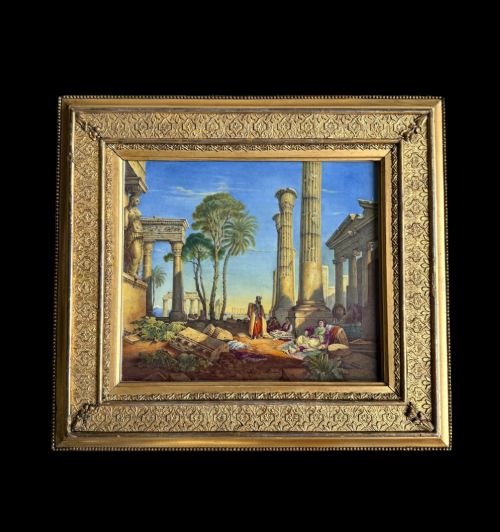
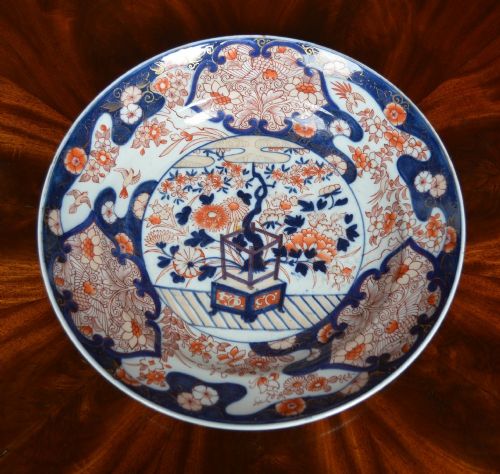
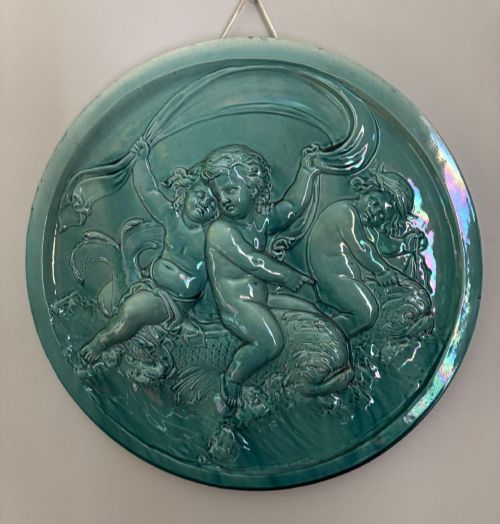
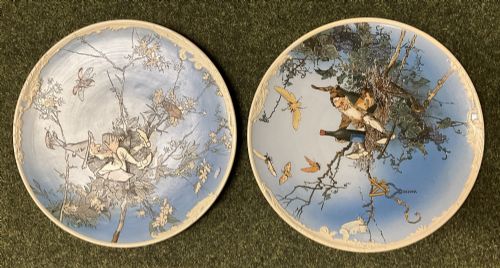
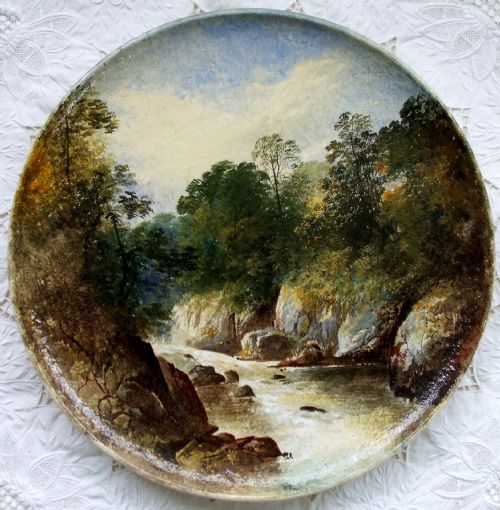
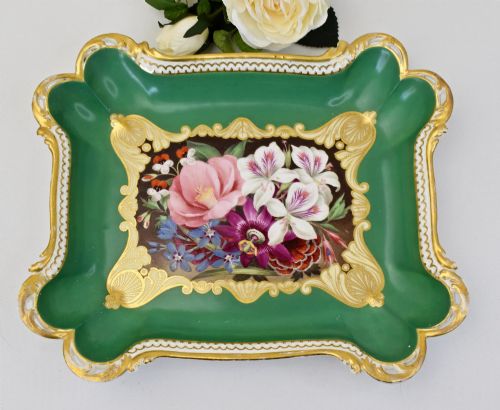
These pieces of 19th century ceramic plaque bring painted art and decorative detail directly to the wall.
19th Century Ceramic Plaque
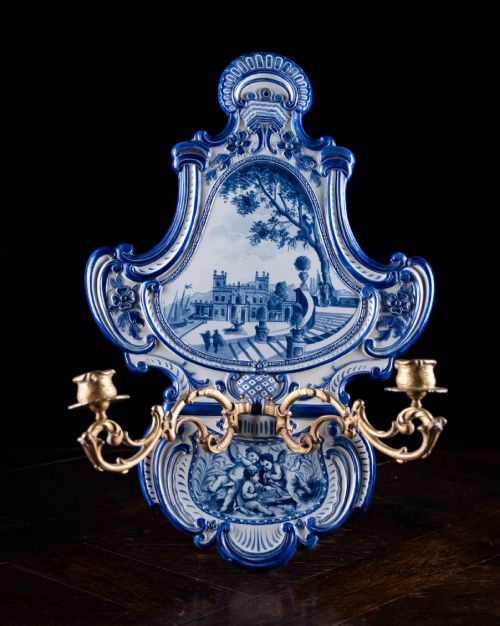
A 19th century ceramic plaque serves primarily as wall art or a decorative display piece rather than functional tableware. You will find items ranging from large chargers and cabinet plates to architectural wall plaques and framed portraits.
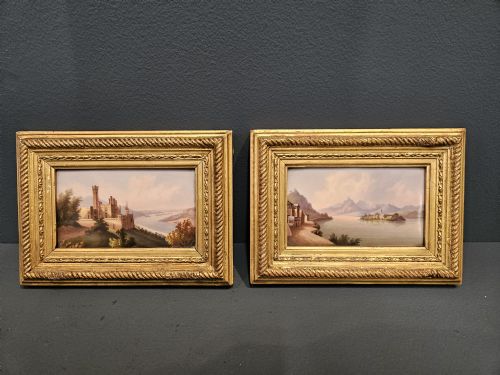
The selection includes porcelain, earthenware, and terracotta forms spanning periods from the Victorian era to the late 19th century. Many pieces take the form of painted porcelain panels, often set within carved wooden or ormolu frames.
European factories dominate the selection, with works originating from German, French, and English potteries alongside Japanese decorative wares. Subjects range from classical mythology and literary scenes to portraits of historical figures.
How they were made
Potters shaped these objects using ceramic bodies such as porcelain, earthenware, and terracotta before applying glaze and mineral pigments. Artisans then hand-painted detailed figurative scenes, often copying Renaissance masters or rendering original portraits.
Many items incorporate gold leaf and giltwood framing to enhance the presentation of the central ceramic panel. Certain Japanese pieces utilise cloisonné or cinnabar lacquer techniques applied directly to the porcelain surface.
19th Century Ceramic Plaque Retail Price Guide 2026
Typical asking prices for 19th century ceramic plaque among the pieces listed under this phrase on Sellingantiques today, from the lower quarter to the upper quarter. They describe what is for sale here now, not the wider market.
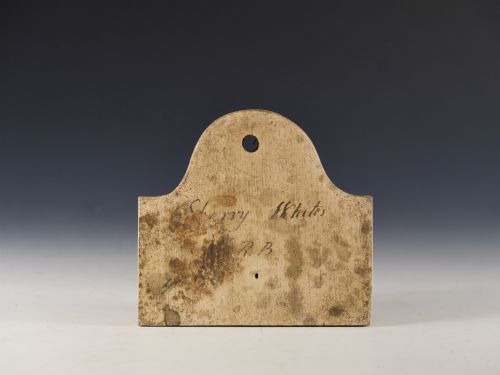
Several plaques double as Victorian wine cellar labels, reminding guests precisely where the Marsala and sherry reside.
What varies in quality
The quality of the secondary materials, such as heavy ormolu mounts, cast bronze frames, or carved wood surrounds, contributes significantly to the overall presence of the object. Factory marks from established porcelain works also indicate the standing of the piece.
Villeroy and Boch·Clement Messier·Doe and Rogers·KPM·Royal Vienna
The 19th Century Ceramic Plaque Glossary
- Charger
- A large decorative plate intended for display on a wall or sideboard rather than for dining use. These items often feature elaborate painted scenes across a broad surface.
- Ormolu
- Gilded bronze mounted onto decorative objects or frames. This technique provides a metallic border that contrasts with the ceramic body.
- Faience
- Tin-glazed earthenware decorated with opaque colours. It offers a distinct matte surface texture compared to hard-paste porcelain.
- Totai shippo
- Japanese cloisonné enamelling applied directly to a porcelain base rather than a metal one. This technique creates intricate wire-outlined patterns over ceramic.
- Pratt ware
- A type of English earthenware noted for multicoloured underglaze printing. These pieces frequently depict popular genre scenes and local characters.
19th Century Ceramic Plaque: Frequently Asked Questions
How do I hang a heavy ceramic plaque safely?
Most large wall plaques and chargers require robust wall fixings anchored directly into masonry or wall studs. Ensure any attached wire or mounting bracket on the frame can support the full weight of the ceramic and metal parts.
For pieces without built-in hangers, utilise custom-made brass display plates or specialist picture wire secured around the structural frame. Avoid relying on simple adhesive hooks for heavier earthenware or porcelain items.
What is the difference between a plaque and a cabinet plate?
A ceramic plaque is manufactured primarily as a flat or shallow panel meant exclusively for wall hanging or framing. They rarely feature the recessed well typical of functional plates.
Cabinet plates are shaped like dining plates but are decorated with elaborate painted scenes for display in cabinets or on plate stands. Both forms served decorative purposes in Victorian interiors.
Can I identify the factory from the marks on the back?
Many European porcelain plaques and chargers bear blue underglaze stamps, impressed numbers, or painted signatures on the reverse. These factory ciphers often indicate the kiln and sometimes the specific decorator.
Matching these marks to historical records helps date the piece and verify its origin. Unmarked pieces rely on stylistic clues, framing techniques, and the quality of the paste.