


Framed Miniature Portrait Painting
A framed miniature portrait painting delivers intimate likenesses in small compass, drawing collectors to crisp watercolours, enamels and silhouettes mounted in period frames.

Framed Miniature Portrait Painting
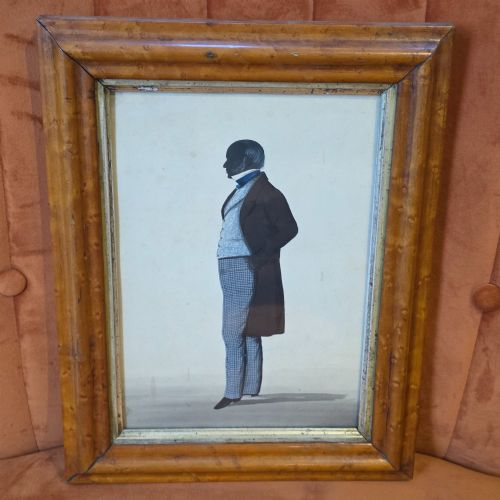
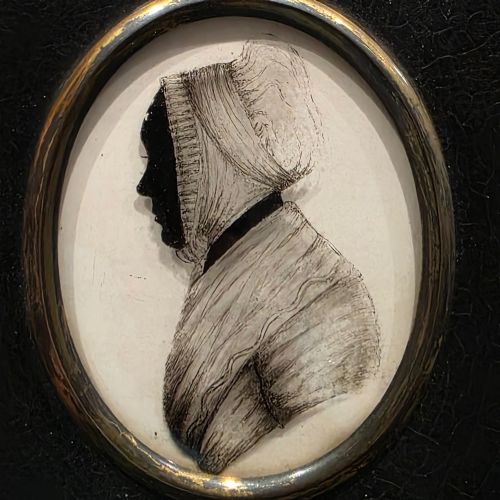
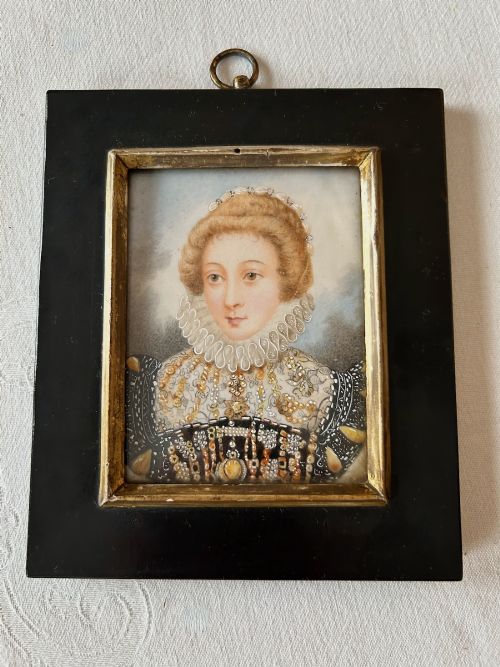
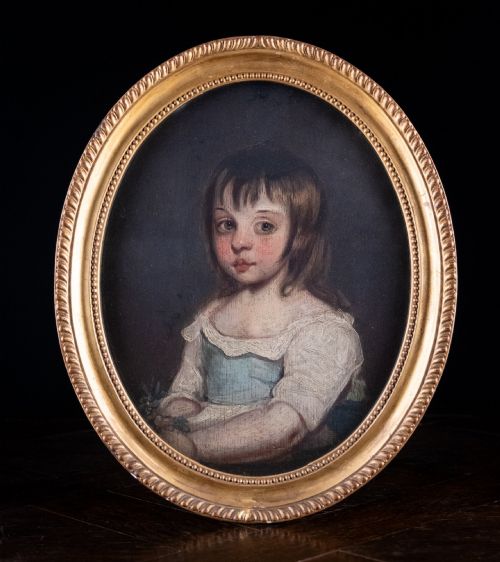
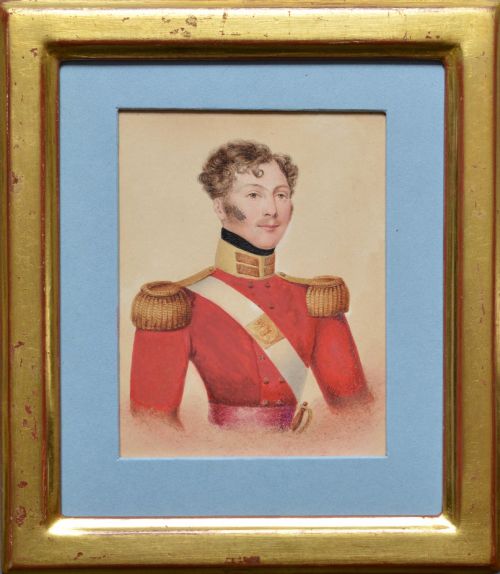
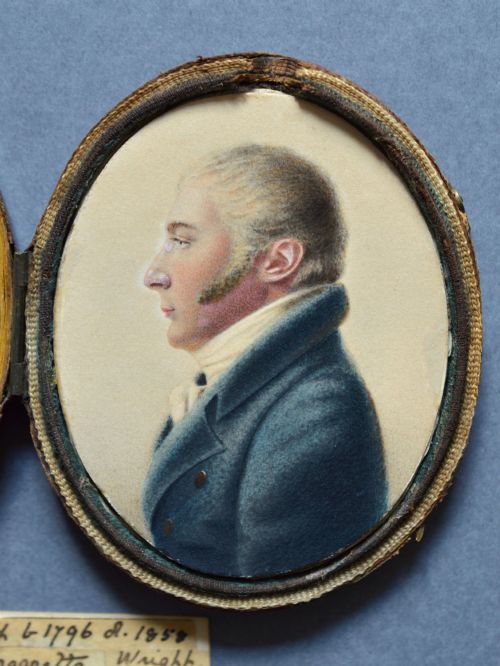
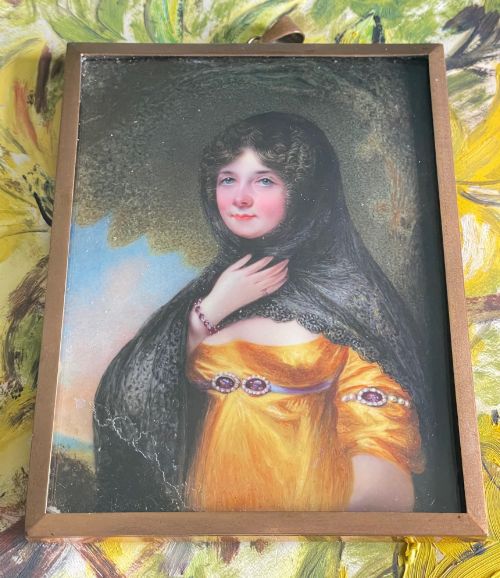
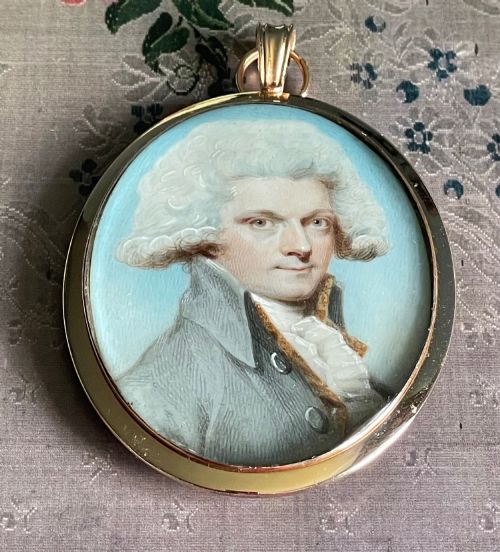
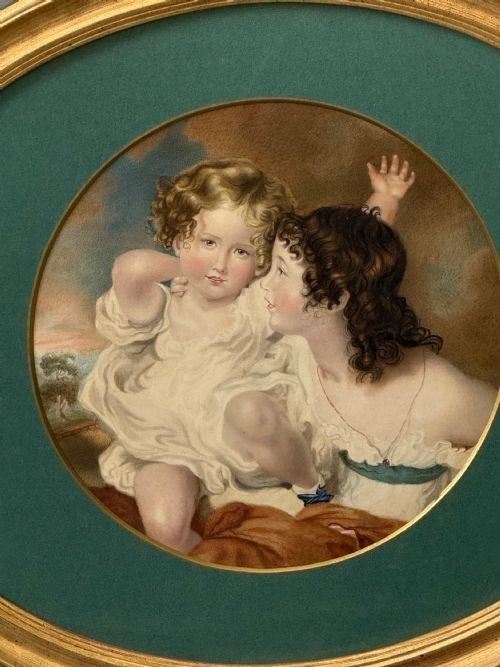
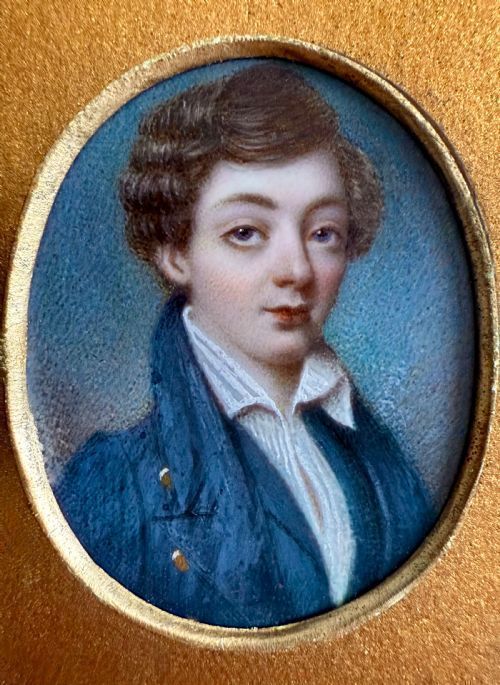
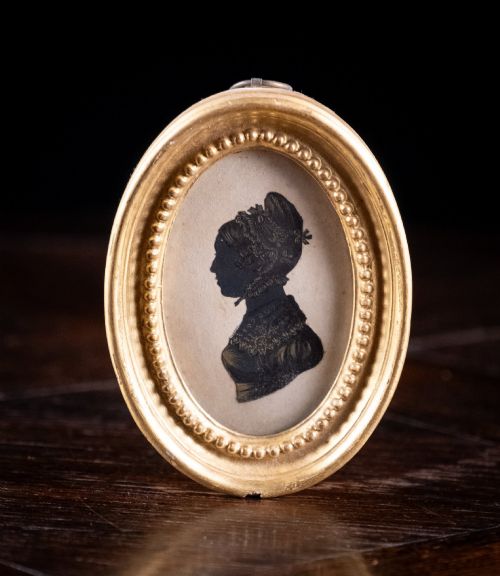
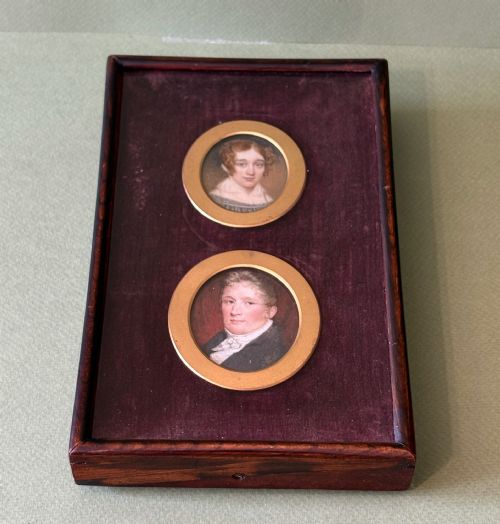
A framed miniature portrait painting brings together delicate likenesses executed on paper, glass, or enamel, often preserved within protective wood, brass, or gilt metal housings. When exploring this selection, a buyer encounters works spanning the eighteenth and nineteenth centuries, taking forms such as profile silhouettes, watercolour studies, and enamel plaques.
The nineteenth century and the preceding Georgian and Regency eras dominate the selection, reflecting a period when intimate likenesses of family members or notable figures were commissioned as personal keepsakes. Pieces frequently appear in original ebonised wood or ornate gilt frames, sometimes retaining early labels or provenance notes on the reverse.
Subjects range from British military officers and country girls to romantic interpretations of historical figures like Mary, Queen of Scots or the Mughal Emperor Akbar II. Folk art pairs and character studies also surface, offering varied glimpses into past portraiture conventions across British, American, and Anglo-Indian schools.
Materials and construction methods
Artists executed these works primarily using watercolour, pastel, and gouache on paper or card, though enamel painting on metal plaques and reverse painting on glass also appear. These delicate surfaces required careful sealing beneath glass to protect the pigment from dust and moisture.
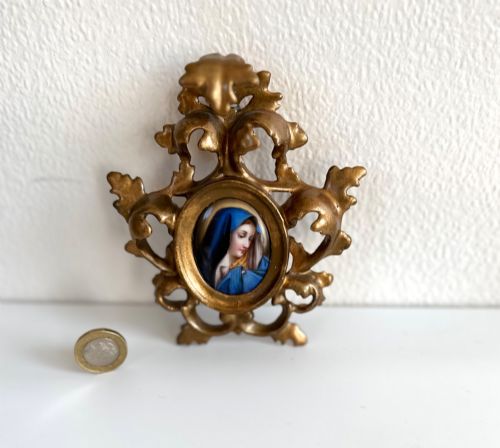
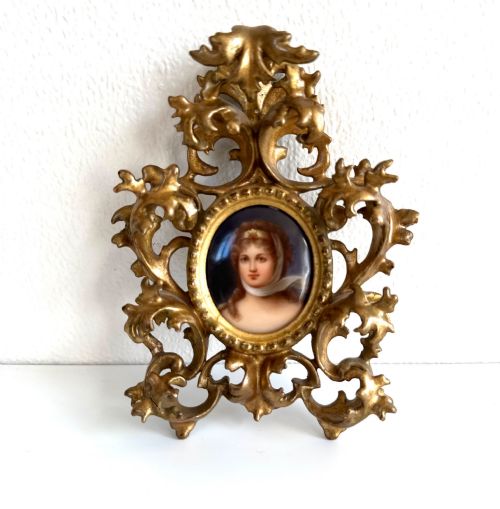
Enclosures formed an integral part of the piece, utilising timber such as ebonised wood alongside cast brass, gilt metal, and gold leaf surrounds. Backings often incorporate hanging rings or strut stands, constructed to display small artworks securely on intimate domestic walls.
Some nineteenth-century subjects gaze out with such intense sternness that one wonders if they were posing while trying not to sneeze.
Differentiating the finer examples
The synergy between the artwork and its period housing dictates desirability, with original matching ebonised timber or gilt metal frames enhancing the historical integrity of the object. Pieces bearing signatures from established artists or retaining documented provenance command closer attention from serious collectors.
Henri Fradelle·James Sharples·Henry Bone ARA·Charles Shirreff·Richard Cosway·John Miers·Frederick Buck·Dumont
The Framed Miniature Portrait Painting Glossary
- Silhouette
- A solid black profile likeness, usually cut from paper or painted onto card, glass, or plaster. Famous practitioners like John Miers elevated this technique into a refined art form during the Georgian era.
- Enamel
- A durable substance created by fusing powdered glass to a metal substrate at high temperatures. Miniatures executed in enamel retained their vibrant colours without fading over centuries.
- Ebonised wood
- Timber treated with a dark stain or finish to imitate expensive ebony. This dark framing material was widely utilised during the eighteenth and nineteenth centuries to provide high contrast for delicate portraits.
- Reverse painting on glass
- A technique where the artist applies pigment directly to the rear side of a glass panel, viewing the finished image through the front. This method imparts a glossy, preserved finish to the underlying miniature.
- Provenance
- The documented history of ownership associated with an artwork. Good provenance confirms the authenticity and historical trajectory of a miniature portrait.
Framed Miniature Portrait Painting: Frequently Asked Questions
How were miniature portraits displayed?
These small works were designed for intimate interior settings, frequently hung in clusters on drawing room walls or kept on desktop easels. Their compact scale allowed owners to carry them as travel keepsakes or display them discreetly in private chambers.
Many retain original brass rings or wooden struts intended for hanging or propping on surfaces. Collectors today continue to group them together on panelled walls to recreate period arrangement styles.
What materials are most common?
Watercolour on paper or card forms the basis for the majority of examples, often supported by glass covers and metal mats. Enamel on metal plaques and reverse painted glass also feature prominently among surviving works.
Frames typically employ ebonised wood, brass, or gilt metal, providing robust protection for the fragile painted surfaces within.
How do I distinguish Regency pieces from Victorian ones?
Regency and Georgian pieces often display neoclassical restraint, featuring softer watercolours, finely cut black silhouettes, and delicate gilt metal bezels. Subjects frequently wear high-waisted fashions or powdered wigs typical of the late eighteenth and early nineteenth centuries.
Victorian examples tend towards richer ornamentation, occasionally incorporating deeper ebonised frames, oval mattes, and bolder colour palettes in gouache or pastel. Clothing styles and hairstyles reflect mid to late nineteenth-century Victorian conventions.
Are silhouettes considered miniature portraits?
Silhouettes function as a distinct subset of miniature portraiture, capturing profiles in solid dark tones rather than full polychrome detail. Makers utilised hand-cutting, painting on card, or reverse painting on glass to achieve striking likenesses.
Signed or documented silhouette pieces from makers such as John Miers are collected alongside traditional watercolour paintings.