




Antique English Porcelain Plaque
An antique english porcelain plaque brings hand-painted colour and ceramic fineness to a wall, cabinet, or box.
Antique English Porcelain Plaque
When you search for an antique english porcelain plaque, you are looking at small works of ceramic art designed for display or inset into furniture and boxes. The examples seen on this page span the nineteenth and early twentieth centuries, covering Victorian, Edwardian, and later periods.
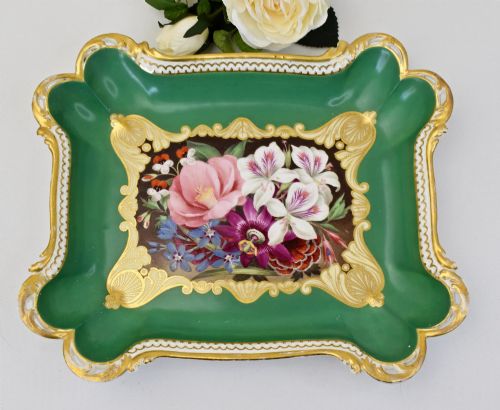
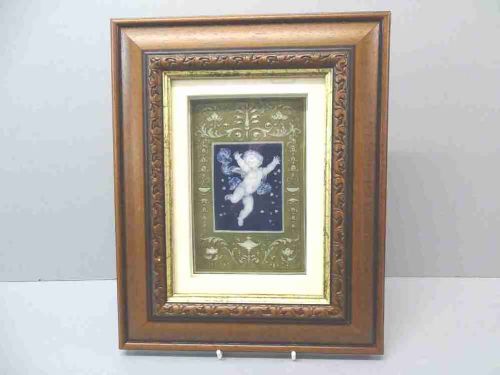
The forms vary from framed wall art and tondos to inset panels on jewellery boxes, cabinets, and trays. Many carry hand-painted scenes or delicate pate sur pate decoration, showing the skill of English potteries from the 1830s onward.
Materials and technique
Makers shaped fine porcelain bodies to receive detailed hand painting, enamels, and parfois gold leaf highlights. Techniques like pate sur pate built up distinct relief designs in white slip upon a contrasting coloured ground.
Framing and mounting involved materials such as giltwood, ebonised wood, or ormolu, while other pieces functioned as insets within coromandel wood cabinets, trays, and jewellery boxes.
The listings show porcelain plaques spanning the nineteenth century through the Edwardian era, incorporating materials like ebonised wood, gold leaf, and ormolu.
Judgement of quality
The distinction between standard and superior pieces rests on the precision of the hand painting and the reputation of the artist or pottery. Signed works by known painters or esteemed factories command greater attention.
Integration with quality mounting materials, such as finely chased ormolu, gilt frames, or housing in coromandel woodwork, elevates the overall presence of the porcelain panel.
Royal Worcester·Mintons·Royal Doulton·Copeland·Lamb of Manchester
The Antique English Porcelain Plaque Glossary
- Pate sur pate
- A French term for a ceramic technique meaning paste on paste, used by English potteries to build up layered white relief designs on a coloured clay body. This method requires great skill to achieve translucent details.
- Tondo
- A circular work of art, whether a painting or a porcelain plaque. This format became popular for portrait miniatures and decorative panels.
- Cabinet plate
- A porcelain plate produced primarily for display in a cabinet rather than for dining use. These often feature elaborate hand-painted landscapes or fruit studies.
- Ormolu
- Gilded bronze mounts applied to furniture, frames, and decorative objects. The technique involves a mercury amalgam or modern electroplating to achieve a rich gold finish.
Antique English Porcelain Plaque: Frequently Asked Questions
How were porcelain plaques displayed?
Many were mounted directly into frames for wall hanging, similar to paintings. Others served as decorative insets for furniture, jewellery boxes, and serving trays.
Some smaller plaques were incorporated into brooches or pendants for personal wear, combining ceramics with precious metals.
What is pate sur pate?
Pate sur pate is a painstaking ceramic technique where layers of liquid white porcelain slip are painted onto a coloured clay body until a relief design forms. Each layer must dry before the next is applied.
This creates a cameo effect with subtle translucency, highly prized by Victorian collectors.
How do I date an English plaque?
Dating relies on maker marks, pottery styles, and associated framing materials. Nineteenth-century pieces often display registration diamonds or specific factory ciphers on the reverse.
Stylistic shifts from Victorian ornamentation to Edwardian delicacy and Art Deco geometry also help narrow the period.
Who painted these porcelain panels?
Master artists employed by major potteries decorated these plaques, sometimes signing their work directly onto the ceramic surface. Notable painters specialised in subjects like fruit, portraits, and landscapes.
Factory records and signatures connect specific surviving pieces to known ceramic artists of the era.