
Antique Ceramic Painting
Antique ceramic painting brings together the precise brushwork of porcelain, earthenware, and glaze across centuries of decorative arts.
Antique Ceramic Painting
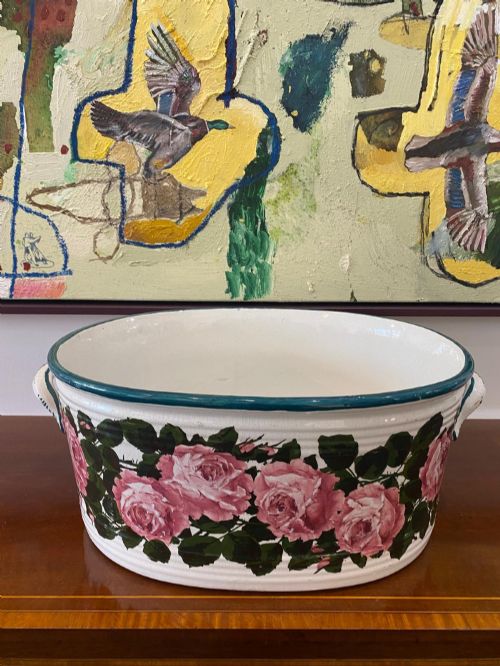
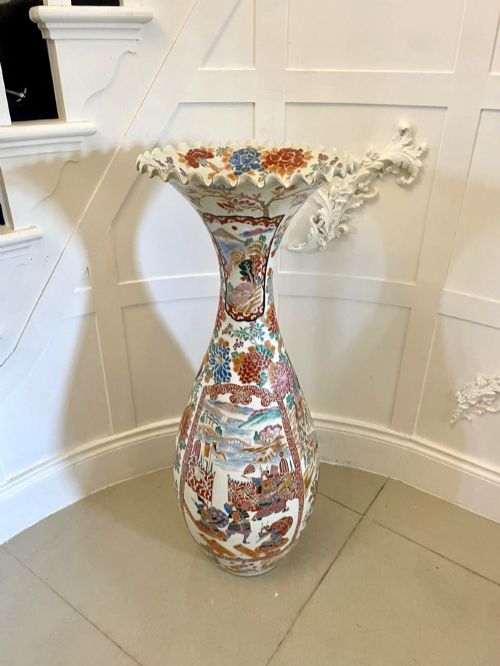
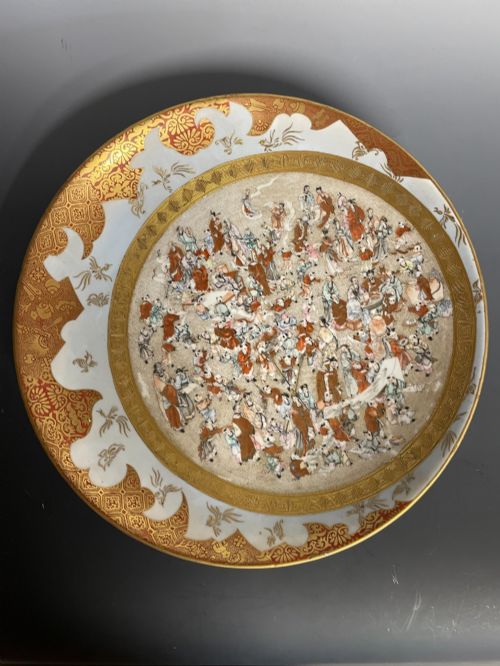
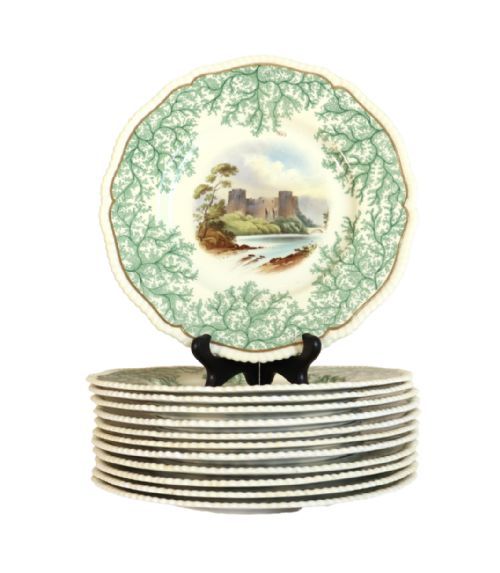
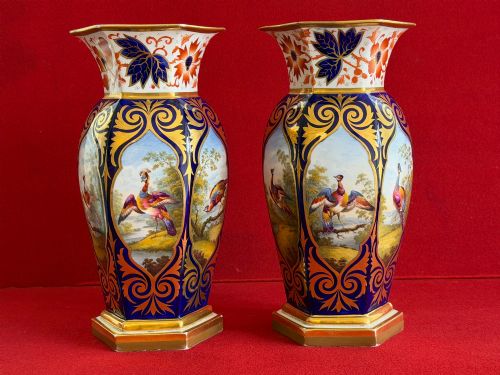
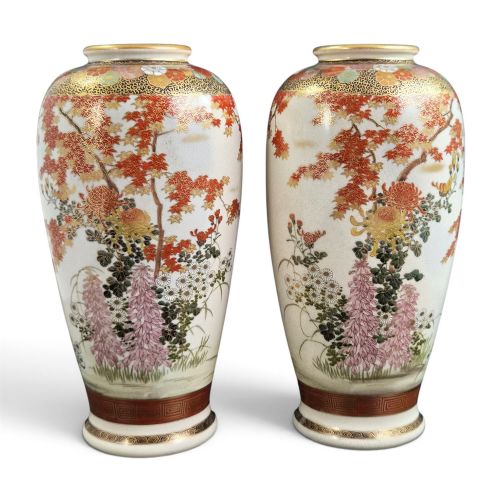
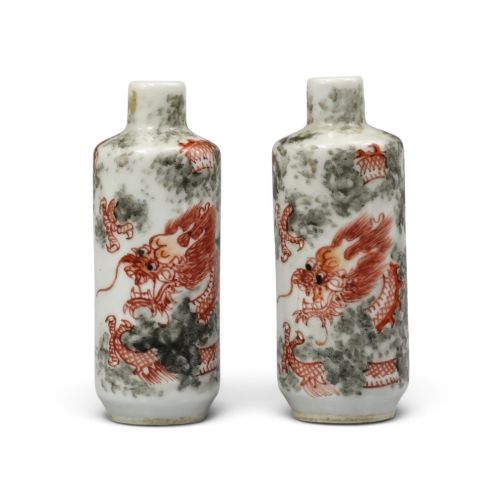
When searching for antique ceramic painting, buyers encounter hand-decorated surfaces on porcelain, earthenware, and pottery vessels. These items span domestic table services, large floor-standing vases, chargers, and decorative plates created across British, European, and Asian traditions.
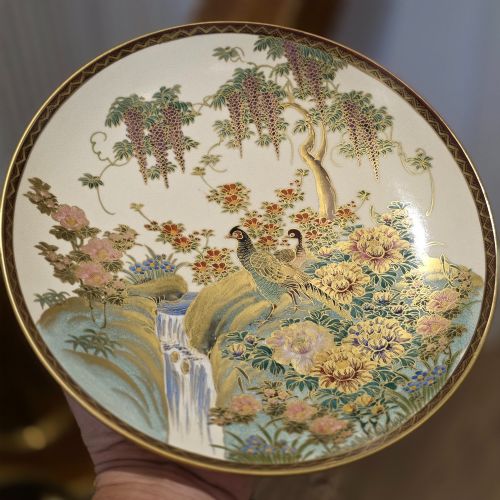
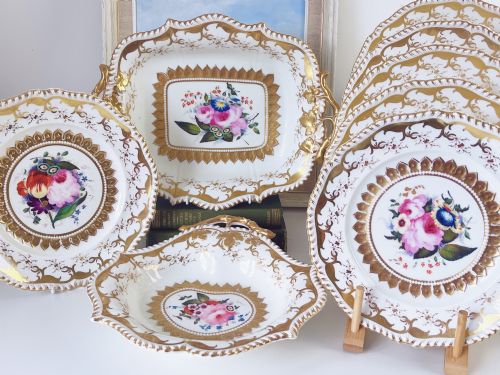
The objects on this page primarily date from the eighteenth and nineteenth centuries, including Georgian, Regency, and Victorian pieces alongside Japanese Meiji period works. Common forms include tea sets, footed comports, ice pails, and Delft chargers carrying intricate handpainted flora, fauna, and narrative scenes.
Materials and Techniques
Makers applied enamels and pigments directly onto ceramic bodies, often sealing the painted work beneath a clear or tin-rich glaze before firing. Artisans incorporated gold leaf, gilding, and gilt accents to highlight borders, rims, and central pictorial panels.
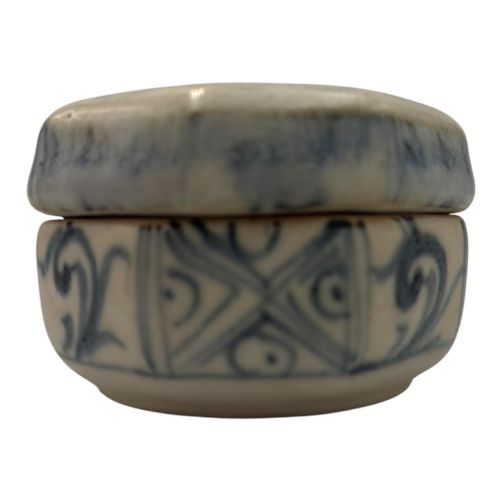
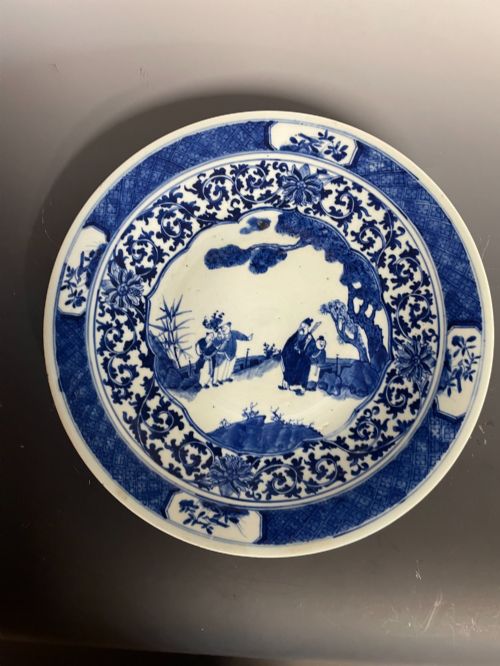
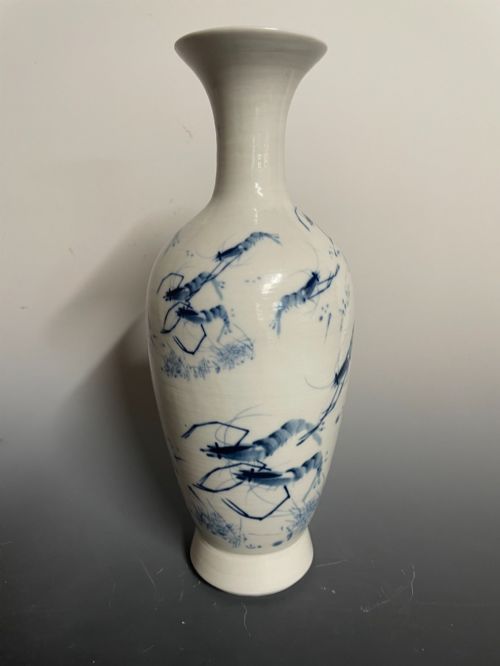
Production methods combined thrown or moulded clay shapes with manual brushwork, utilising iron-red, cobalt blue, and polychrome palettes. Kiln temperatures determined whether enamels fused smoothly into the glaze or sat in raised relief upon the surface.
Listings feature porcelain, earthenware, and bone china pieces spanning the eighteenth, nineteenth, and early twentieth centuries.
Evaluating Quality
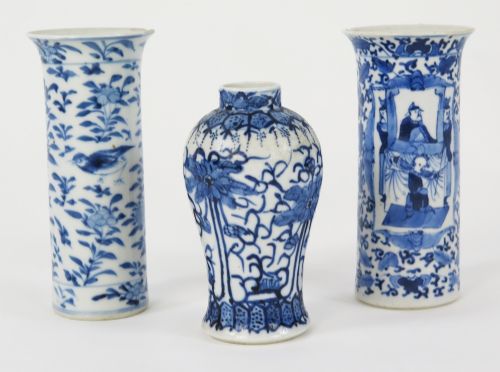
The standard of antique ceramic painting rests upon the precision of the brushwork and the clarity of the painted composition. Finer pieces demonstrate confident, fluid strokes in botanical studies, bird motifs, or figurative scenes, while simpler wares rely on repetitive stencilled outlines or basic border patterns.
Material preparation and firing success further define the hierarchy of these objects. Superior items display an even glaze without cloudiness or pitting, allowing delicate underglaze blue work or vibrant overglaze enamel colours to remain crisp and well-defined.
Wemyss·Grainger Lee And Co·Spode·Flight Barr And Barr·Maruni Kobe·Moorcroft·Goldscheider·H And R Daniel·Royal Doulton·Derby·Wedgwood·Richard Chaffers
The Antique Ceramic Painting Glossary
- Enamel
- A glass-like substance fused to the ceramic surface through firing to create coloured decorative designs. Enamels provide the vibrant palette seen on nineteenth-century porcelain and earthenware.
- Glaze
- A vitreous coating melted onto a ceramic body to seal the porous clay and provide a smooth, waterproof finish. Glazes can be transparent, tin-opacified, or coloured.
- Gilding
- The application of gold leaf or powdered gold to ceramic surfaces for decorative accent. Artisans often applied it to handles, rims, and framing lines around painted panels.
- Charger
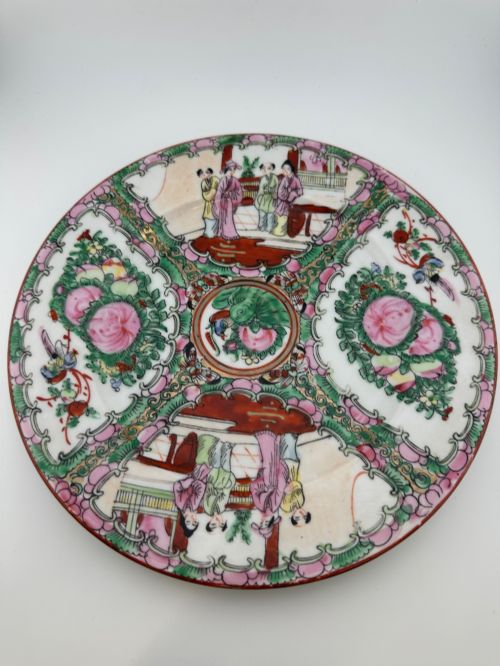
- A large decorative plate or round dish intended primarily for display rather than dining. These items frequently carry extensive painted landscapes or armorial subjects.
- Comport
- A raised footed dish or tazza used historically for serving fruit or sweetmeats during dessert courses. They often feature elaborate painted botanical arrangements.
Antique Ceramic Painting: Frequently Asked Questions
What is antique ceramic painting?
Antique ceramic painting refers to hand-applied decorative artwork fired onto pottery, porcelain, and earthenware bodies. These painted designs range from delicate floral sprays on tea wares to expansive pictorial scenes on large decorative chargers.
Craftsmen utilised various mineral enamels, cobalt oxides, and gold leaf to ornament practical and ornamental vessels. The resulting pieces reflect the aesthetic preferences and technical capabilities of periods spanning from the eighteenth century into the early twentieth century.
How were painted ceramics used historically?
Many painted ceramic items served functional roles in wealthy households, including dining services for dessert courses, teapots for social gatherings, and jugs for liquids. Tableware such as ice pails and comports added visual splendour to formal dining rooms.
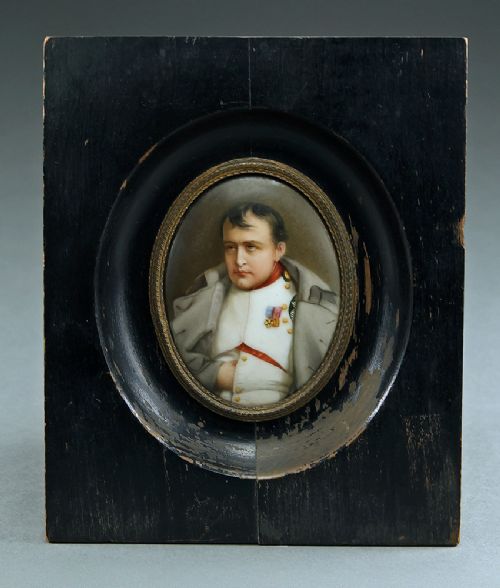
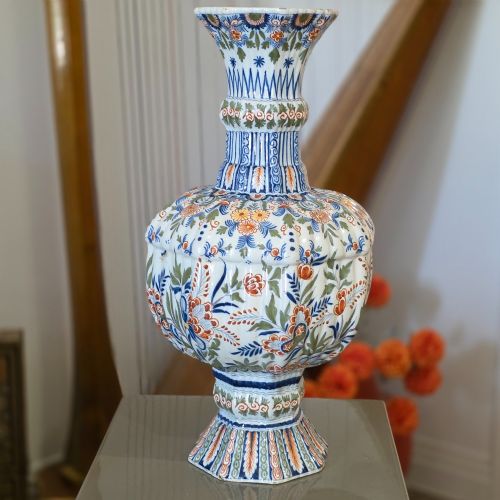
Other pieces, such as large floor vases, chargers, and framed plaques, existed purely for interior decoration. They demonstrated the owner's taste and the technological achievements of prominent kilns and potteries.
How do I care for painted ceramics?
Display painted ceramics away from direct sunlight to prevent the fading of delicate enamel colours and gilt highlights. Environmental stability helps protect the underlying clay body and glaze from thermal shock.
Cleaning requires gentle dusting with a soft, dry cloth rather than immersion in water, particularly for pieces with fragile overglaze enamels or exposed earthenware bodies. Professional advice should be sought before attempting any intensive cleaning.
How do I identify different periods?
Period identification relies on observing ceramic body types, glaze compositions, and stylistic conventions associated with specific manufacturing eras. Georgian and Regency pieces often feature neoclassical forms with refined botanical painting, while Victorian items lean towards bolder polychrome palettes and elaborate gilt borders.
Backstamps, painted factory marks, and impressed ciphers provide further chronological clues. Comparing the weight, translucency, and shape of an object against documented examples from the same workshop confirms its era.