


Edwardian Porcelain Painting
Edwardian porcelain painting captures the delicate artistry of hand-decorated cabinet plates, plaques, and vases produced around the turn of the twentieth century.
Edwardian Porcelain Painting
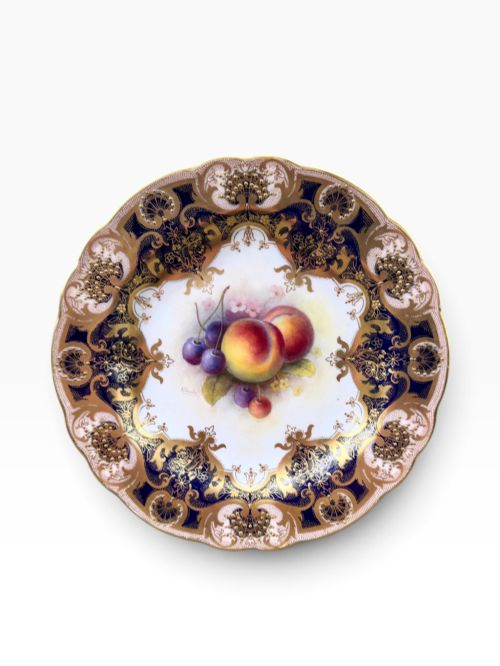
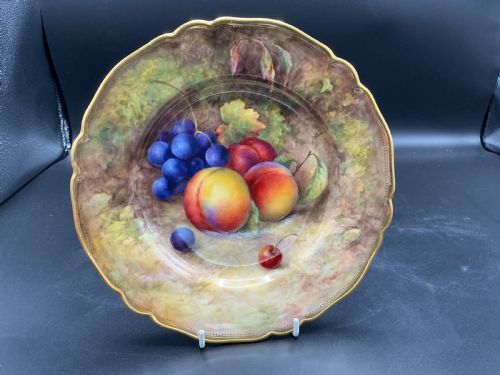
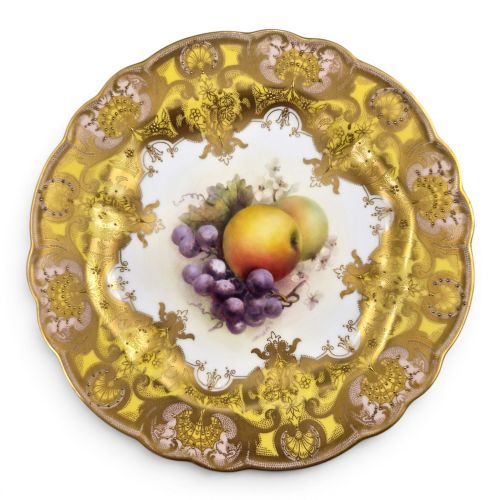
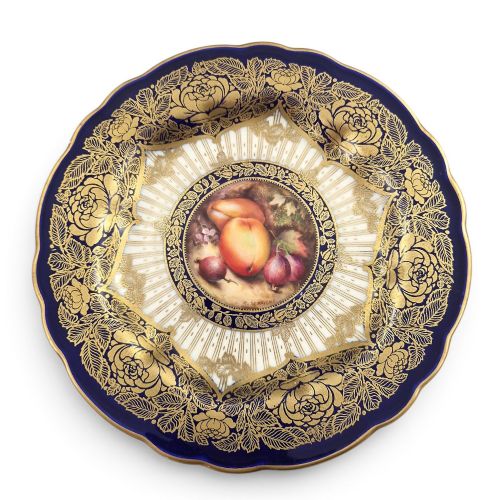
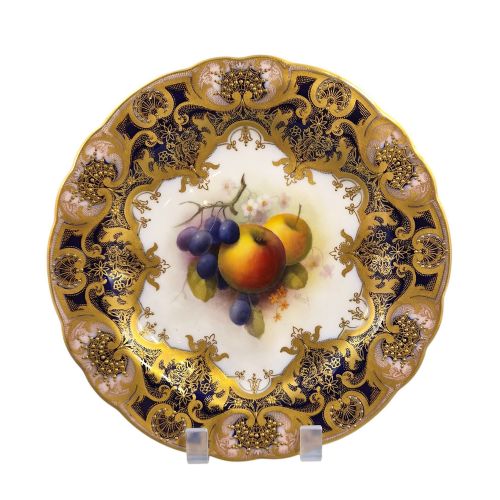
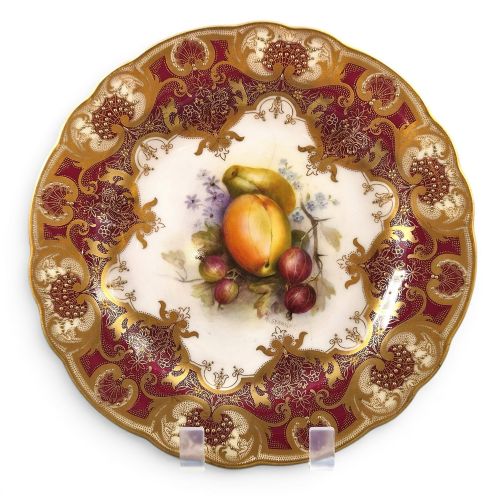
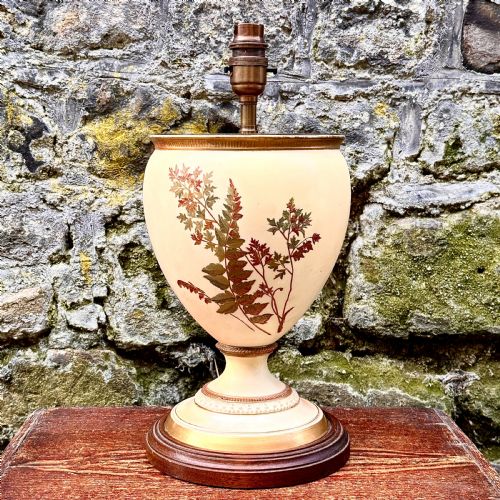
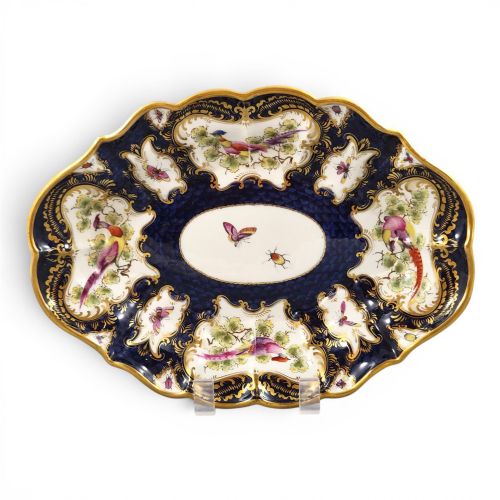
When searching for edwardian porcelain painting, a collector encounters finely decorated plates, vases, and plaques originating primarily from major British potteries of the early twentieth century. These pieces combine traditional ceramic forms with skilled artistic hand-painting, often depicting botanical studies, fruit, or pastoral scenes.
The objects on this page centre heavily on cabinet plates and decorative vessels produced by factories such as Royal Worcester and Royal Doulton. Many pieces date from the Edwardian period itself or the surrounding decades, reflecting a high point in British ceramic decoration.
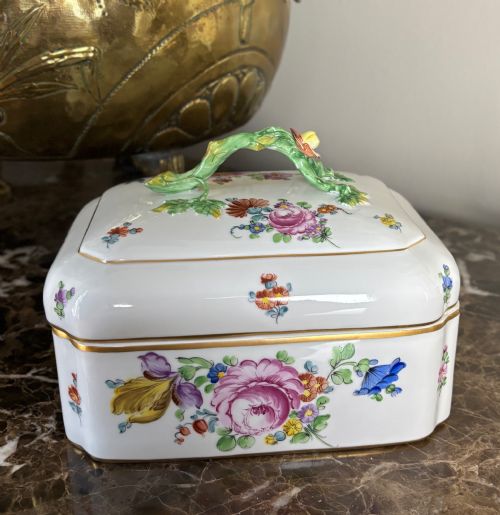
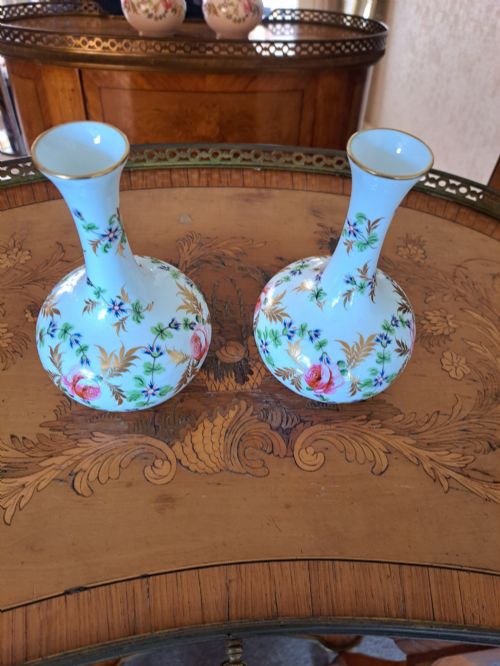
Beyond British works, the selection includes continental porcelain and Japanese Imari pieces that influenced contemporary taste. These items range from wall plaques intended for display to functional table wares elevated by artistic brushwork.
Materials and Techniques
The foundation of these items is fine porcelain, bone china, or ceramic bodies formed into standard decorative shapes like plates, vases, and bowls. Potters shaped these bodies before applying initial glazes and firing them to create a smooth, durable canvas.
Artists then applied hand-painted enamel colours, often supplemented by gold leaf, gilding, or gilt edges. Subsequent kiln firings fixed the pigments into the glaze, resulting in the lustrous and permanent finishes characteristic of quality period work.
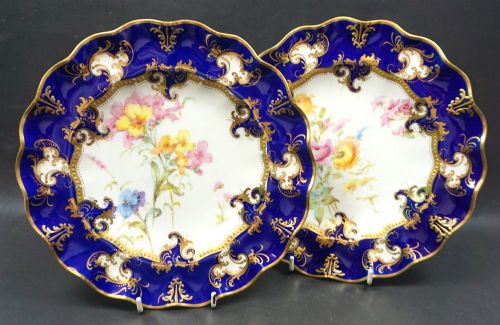
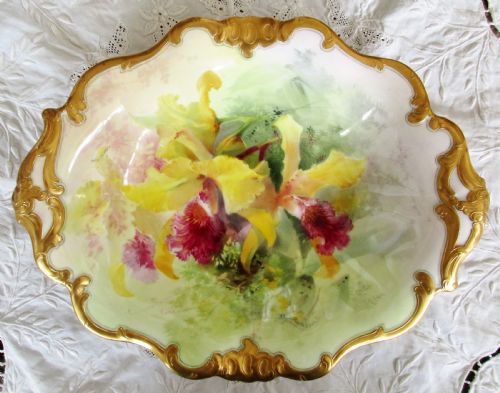
Several cabinet plates feature meticulously painted garden orchids that likely outlasted the original greenhouse specimens.
Factors of Quality
Quality in these painted ceramics rests largely upon the skill of the individual artist and the complexity of the subject matter. Pieces featuring signed work by recognised painters command greater attention than standard factory decorations.
The crispness of the enamel work, the subtlety of the colour blending, and the sparing or generous use of gold leaf distinguish finer studio efforts from mass-produced output.
Royal Worcester·Royal Doulton·Royal Crown Derby·Coalport·Minton·Hampton and Sons
The Edwardian Porcelain Painting Glossary
- Cabinet Plate
- A decorative ceramic plate intended for display in a cabinet or on a wall rather than for dining. These often feature elaborate hand-painted scenes.
- Blush Ivory
- A specialised cream-coloured ceramic ground developed by Royal Worcester, featuring soft peach and ivory tints beneath a matte glaze. It serves as a popular background for floral painting.
- Imari
- A style of Japanese porcelain featuring a distinct palette of underglaze blue, iron red, and gold. European factories frequently copied these patterns.
- Lustre Ware
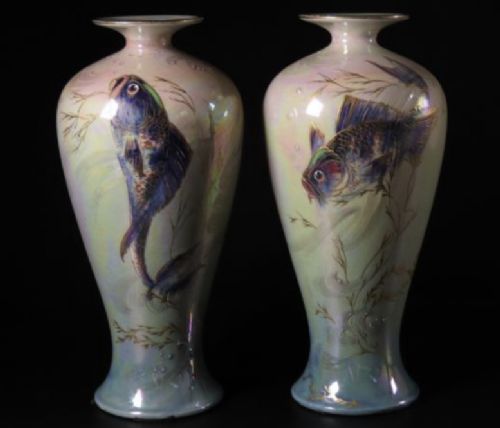
- Pottery or porcelain finished with a metallic glaze that creates an iridescent sheen. This effect relies on metallic oxides fired in a reducing atmosphere.
- Gilding
- The application of gold leaf or gold powder to ceramic surfaces, typically highlighting rims, handles, or decorative borders.
Edwardian Porcelain Painting: Frequently Asked Questions
What is edwardian porcelain painting?
Edwardian porcelain painting refers to the hand-decorated ceramic plates, plaques, and vessels produced around the early twentieth century. These items showcase detailed artistic scenes painted directly onto glazed porcelain blanks.
Makers utilised skilled artists to paint botanical specimens, fruit, and landscapes, turning functional ceramic bodies into fine art displays.
How were these painted plates used?
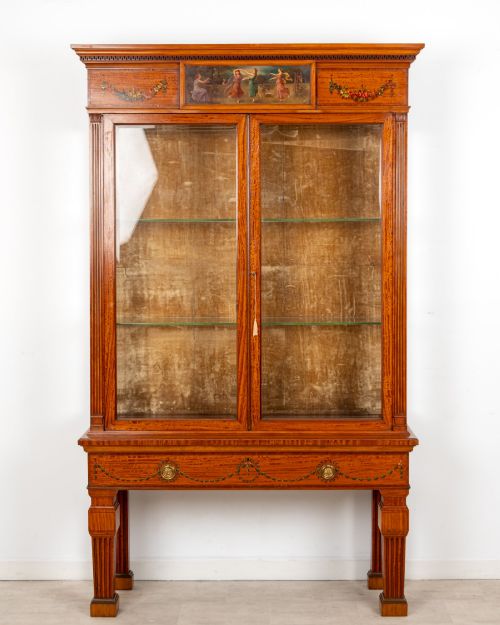
Unlike everyday dinnerware, these painted pieces were primarily intended for decorative display in drawing rooms and parlours. Cabinet plates stood in glazed furniture or hung on walls to demonstrate the owner's refined taste.
Specialised stands and hanging wires allowed households to showcase the artistry of individual factory painters without risking daily wear.
How do I identify a signed piece?
Artists working for major potteries often signed their miniature paintings near the edge of a plate or within a corner of a plaque. Signatures can sometimes be subtle, blending into the background foliage or shading.
Factory backstamps on the underside usually date the ceramic body, while the painter's signature confirms the specific hand responsible for the artwork.
How do I care for antique porcelain painting?
Display these items away from direct sunlight to prevent the hand-painted enamel colours from fading over long periods. Dust them gently with a soft, dry cloth rather than using liquid cleaners.
Avoid washing painted cabinet pieces in water, as moisture can affect vulnerable gilt edges or nineteenth-century adhesive repairs.