


Late 19th Century Plaques
Late 19th century plaques are decorative wall and mantel mounted objects in porcelain, brass, and enamel that bring period character to an interior.
Late 19th Century Plaques
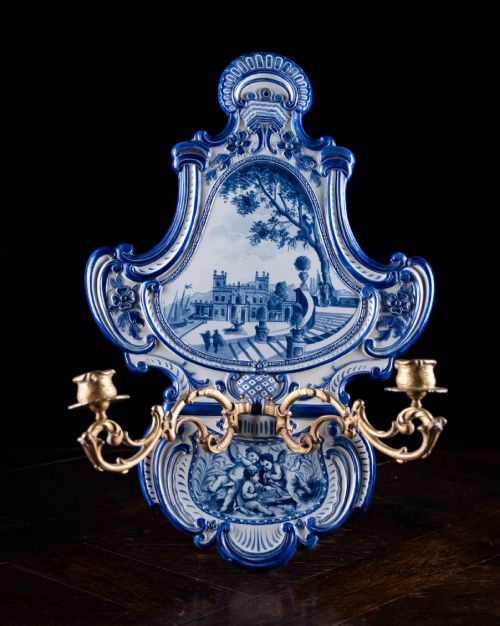
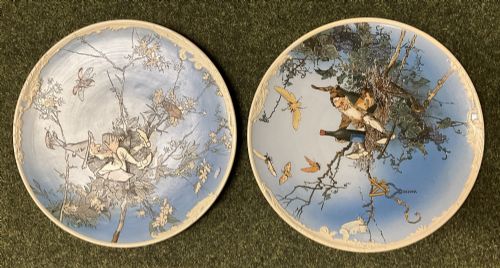
Late 19th century plaques encompass a diverse array of decorative wall art, painted porcelain panels, and metal repousse shields originating from European and Asian workshops. Buyers searching for late 19th century plaques will encounter everything from hand-painted porcelain after Renaissance masters to Japanese cloisonne enamel trays and carved mother-of-pearl shells.
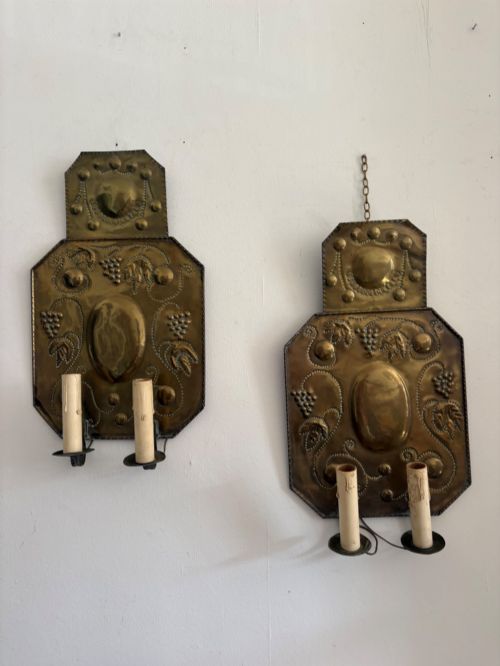
The materials and styles span Victorian and Jugendstil aesthetics alongside Dutch traditional brasswork and Meiji period cloisonne. Wall sconces, chargers, and framed porcelain panels form the core of the selection available to collectors.
What varies in quality
The standard of a late 19th century plaque rests on the precision of the hand-painting and the crispness of the metalwork detail. Finer porcelain pieces display delicate brushwork and smooth glaze surfaces without firing blemishes.
Metal items show distinction through deeply chased repousse relief and well-executed cloisonne wirework rather than shallow stamping. The quality of the accompanying frame or mount, whether carved wood or cast ormolu, further elevates the piece.
Listings feature ceramics, brass, and enamel across European and Asian origins.
Villeroy and Boch·Vienna Porcelain·Automobile Club of Switzerland
The Late 19th Century Plaques Glossary
- Repousse
- Metalworking technique where the metal is hammered from the reverse side to form a raised design in relief. This method was widely used on Dutch brass sconces and Indian shields.
- Cloisonne
- Enamel technique using thin metal wires soldered to a base to create compartments filled with vitreous paste. Japanese examples from this era show exceptional mastery of this craft.
- Ormolu
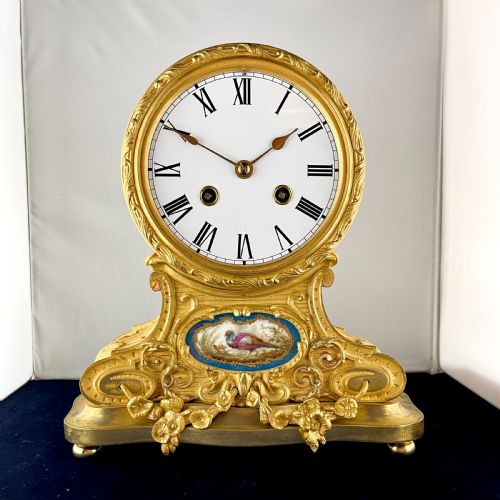
- Gilded bronze mounts applied to decorative objects and furniture during the nineteenth century. It adds a bright metallic border to porcelain plaques and sconces.
- Charger
- A large decorative plate intended for display on a wall or sideboard rather than for dining use. Many Meiji period and European porcelain examples take this large circular form.
Late 19th Century Plaques: Frequently Asked Questions
How do I hang a heavy brass plaque safely?
Heavy brass and cast iron pieces require secure wall fixings directly into studs or solid masonry using appropriaterawl plugs and screws. Consider the weight distribution across any integrated hanging loops or brackets.
Ensure the mounting hardware is rated to hold the specific weight of the metal object to prevent accidental detachment from the wall.
Where were most porcelain plaques made?
European porcelain plaques commonly originated from continental factories in Germany, France, and Austria. Painters often worked in studios replicating classical paintings on porcelain blanks.
These pieces were subsequently framed in carved wood or mounted in brass for domestic display.
How do I clean enamel and cloisonne safely?
Dust cloisonne enamel and metal surfaces gently with a soft, dry brush or microfiber cloth to remove surface grime. Avoid abrasive cleaners or chemical solvents that could damage the enamel or aged metal patina.
Professional conservation advice should be sought if deeper cleaning is required on fragile historical surfaces.
What styles dominate late 19th century plaques?
The period encompasses a mixture of revival styles including Rococo and Renaissance revivals alongside Jugendstil and traditional Dutch brasswork. Asian influences also appeared strongly through Japanese Meiji period exports.
This variety reflects the eclectic taste of late Victorian interior decoration.