







Blue Ceramic Wall Plaque
A blue ceramic wall plaque brings rich cobalt tones and historic craftsmanship directly to your interior walls.

Blue Ceramic Wall Plaque
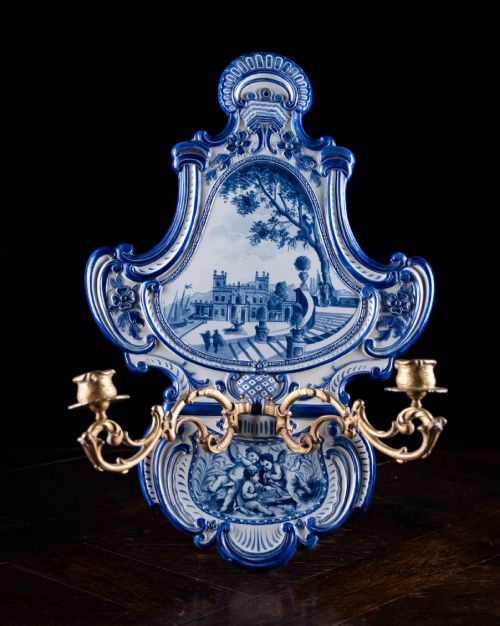
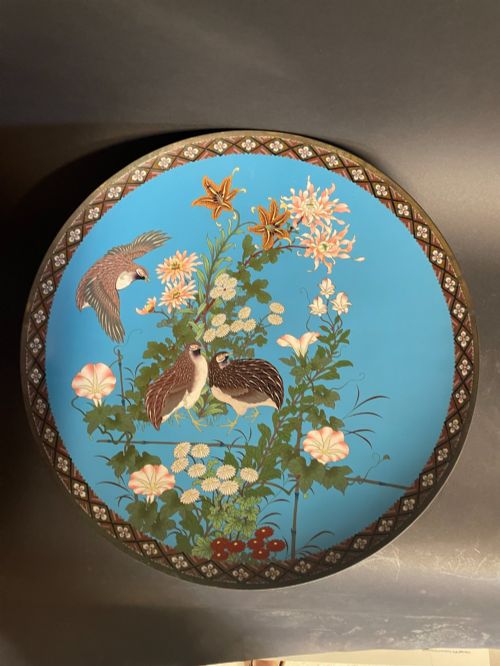
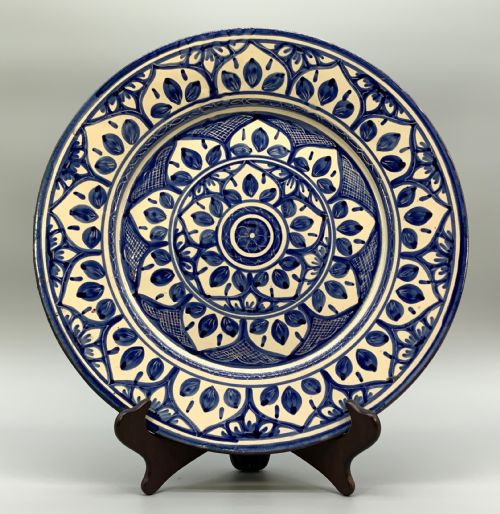
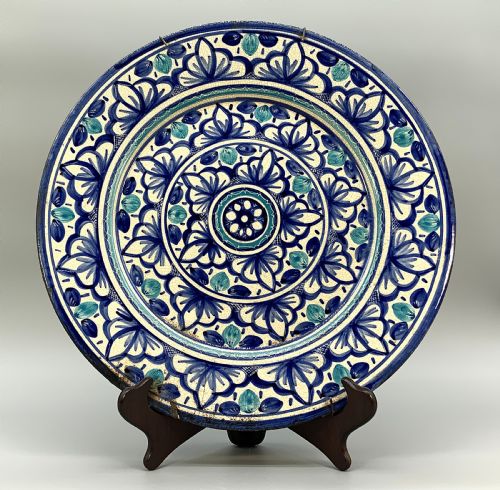
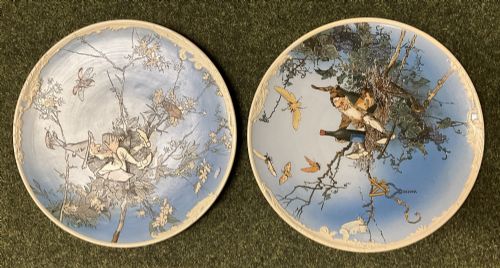
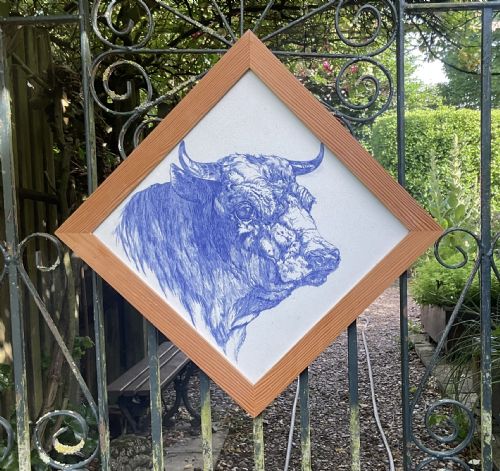
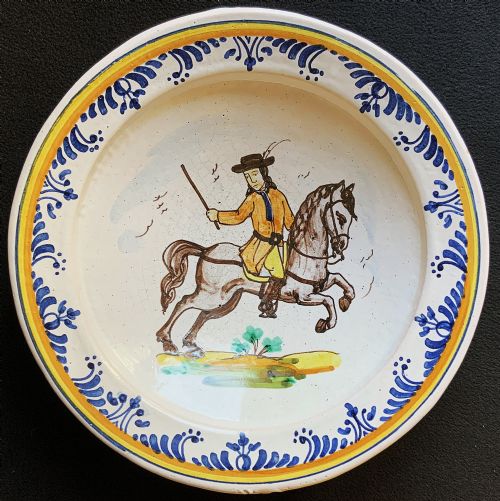
A blue ceramic wall plaque encompasses decorative chargers, tiles, and framed panels produced across various international traditions. You will encounter large tin-glazed earthenware dishes from European potteries alongside delicate porcelain pieces and intricate Japanese export wares.
The objects span multiple centuries, ranging from eighteenth-century devotional items to nineteenth-century revival styles and twentieth-century art deco wall masques. Many examples utilise traditional cobalt painting techniques to depict figurative scenes, landscapes, or geometric motifs.
Continental delftware and Japanese imari patterns dominate the forms available, often featuring rich blue palettes applied to white ceramic surfaces. These items were originally made for display in domestic interiors, ranging from grand reception rooms to specialised mercantile spaces.
Assessing quality in ceramic plaques
Quality rests primarily in the precision of the hand-painted detail and the depth of the glaze firing. Superior examples display crisp brushwork, well-defined pigments, and careful control over the ceramic body during the kiln process.
The artistic ambition of the composition separates standard decorative wares from exceptional collector pieces. Pieces bearing signature marks or originating from renowned factories generally demonstrate a higher standard of modelling and glaze consistency.
The listings span earthenware, porcelain, and tin-glazed compositions dating from the seventeenth century through to the art deco period.
Villeroy and Boch·Royal Bonn·Mettlach·Mintons·Gmundner·Bassano·Sevres
The Blue Ceramic Wall Plaque Glossary
- Charger
- A large decorative plate intended for display on a wall or sideboard rather than for dining. These substantial pieces provide a wide surface area for elaborate painted scenes.
- Delftware
- Tin-glazed earthenware produced in the Netherlands and England, typically decorated with blue designs on a white background. The technique imitates imported Chinese porcelain.
- Maiolica
- Italian tin-glazed pottery noted for its bright colours and narrative historical scenes. Artisans painted directly onto an unfired white glaze.
- Pate-sur-pate
- A ceramic decoration method where wet clay is built up in successive layers on a contrasting background to create a low relief cameo effect. This exacting technique requires immense skill from the ceramic artist.
- Imari
- Japanese porcelain decorated in underglaze blue and overglaze iron red, gold, and other colours. The style originated during the Edo period and heavily influenced European ceramic design.
Blue Ceramic Wall Plaque: Frequently Asked Questions
How were antique ceramic plaques displayed originally?
These decorative items hung in domestic interiors or sat upon sideboards as centerpieces of room decoration. Larger chargers often utilised integrated foot rings or wire attachments for wall hanging.
Over successive centuries, collectors devised specialised brackets and wire frames to protect the edges while displaying the painted surfaces securely.
What is the difference between delftware and porcelain?
Delftware utilises a porous earthenware body covered in an opaque tin-glaze that accepts cobalt pigments with a slightly soft edge. Porcelain employs a dense, vitrified white body that remains non-porous even without glaze.
Porcelain withstands higher firing temperatures, allowing for finer painted details and a more resonant ring when tapped.
How do I identify a nineteenth-century revival piece?
Nineteenth-century workshops frequently reproduced eighteenth-century tin-glazed aesthetics and Japanese imari patterns using mechanized body preparation alongside hand painting. Examining the foot rim and the composition of the ceramic paste reveals the later manufacturing standards.
Maker marks, factory stamps, and registration numbers stamped into the reverse provide definitive chronological markers.
Can these wall plaques be hung safely today?
Modern display requires specialised spring-loaded brass hangers padded with protective tubing to distribute weight evenly across the rim. Ensuring the wall anchor secures directly into solid masonry or a stud prevents accidental slips.
Avoid hanging heavy earthenware or porcelain chargers in areas subject to vibration or direct sunlight.