



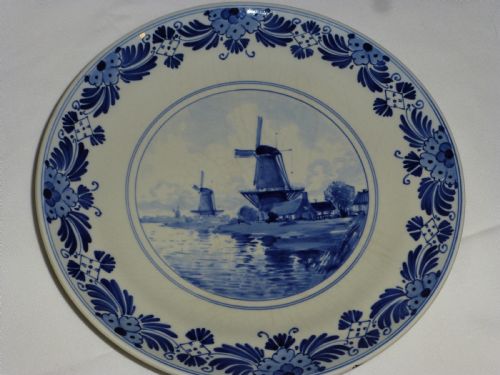


Tin Glazed Ceramic Plaque
These tin glazed ceramic plaque examples combine decorative painting and historic earthenware traditions, offering striking wall art for any interior.

Tin Glazed Ceramic Plaque
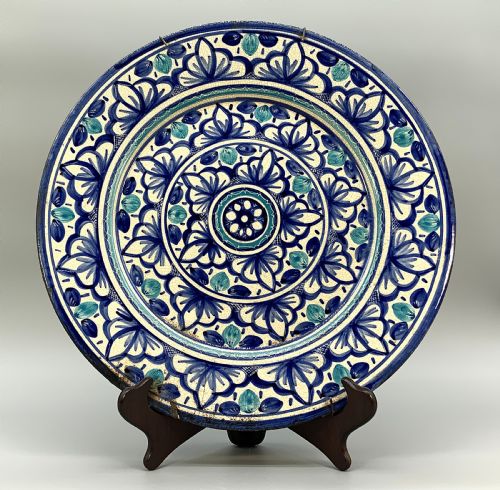
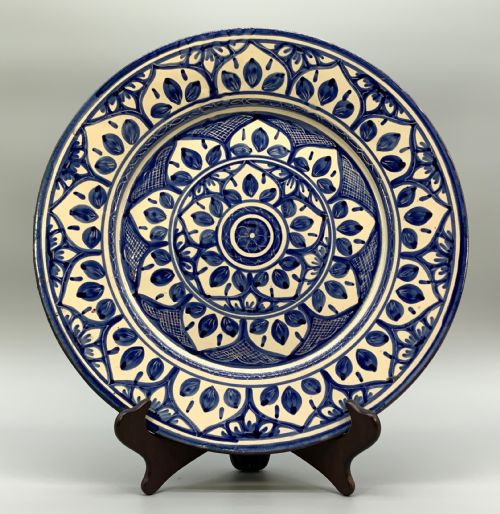
A tin glazed ceramic plaque brings historical wall art and decorative platters into modern spaces, often taking the form of large chargers or rectangular wall plaques. The examples recorded here span from the eighteenth century to nineteen-forty, taking inspiration from Dutch baroque, French rococo, and Moorish styles.
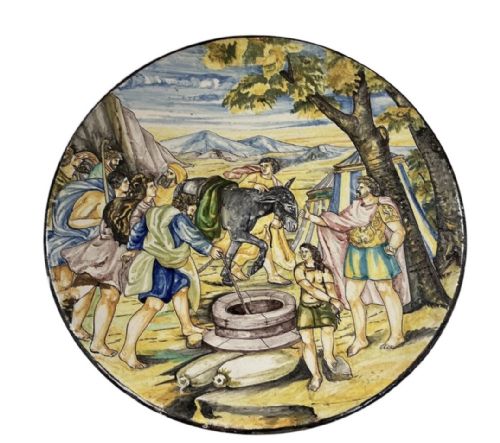
Continental workshops produced these works using earthenware bodies, creating surfaces for narrative and decorative painting. Buyers frequently encounter large charger plates and devotional subjects, alongside classical historical scenes and Chinoiserie patterns.
Materials and production methods
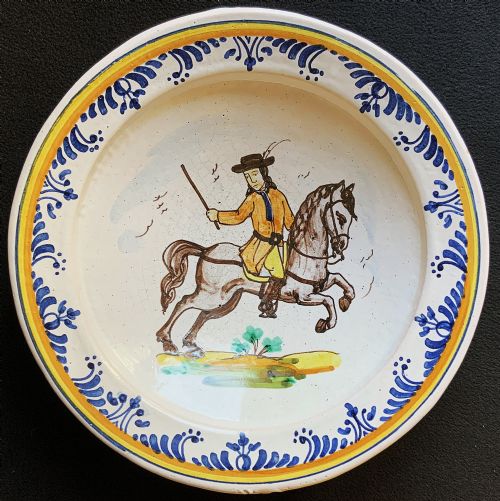
Potters shaped these pieces from earthenware, applying an opaque tin glaze that provided a smooth white ground for subsequent pigment painting. Artisans utilised blue and white palettes as well as polychrome pigments to render detailed narrative scenes and decorative motifs.
Firing techniques fused the pigments into the tin glaze, producing permanent colours across Dutch, French, Spanish, and Italian wares. Workshops finished these surfaces with clear glazes to enhance depth and protect the underlying painted composition.
Tin Glazed Ceramic Plaque Retail Price Guide 2026
Typical asking prices for tin glazed ceramic plaque among the pieces listed under this phrase on Sellingantiques today, from the lower quarter to the upper quarter. They describe what is for sale here now, not the wider market.
One recorded plaque depicts an entire moral downfall through a satirical Rake’s Progress sequence.
Evaluating quality and execution
The sophistication of the painted surface distinguishes standard decorative plates from exceptional historical plaques. Fine examples display confident brushwork and precise detailing in figurative subjects, whereas simpler pieces rely on repetitive patterns.
The ambition of the composition dictates the character of the piece, from elaborate istoriato narratives to stylised floral designs. Pigment application and glaze consistency also indicate the skill level of the original workshop.
C. Ravier
The Tin Glazed Ceramic Plaque Glossary
- Charger
- A large decorative plate or platter traditionally displayed on walls or sideboards rather than used for dining. These items often feature elaborate painted scenes across a broad surface.
- Faience
- European tin-glazed earthenware decorated with opaque metal oxides over a porous clay body. This technique originated in Italy before spreading through France, Holland, and Spain.
- Maiolica
- Italian tin-glazed earthenware noted for its bright polychrome palette and narrative historical scenes. The term covers pieces produced from the Renaissance onwards.
- Istoriato
- A style of ceramic decoration featuring narrative scenes that cover the entire surface of the object. Artists painted mythological, historical, or religious subjects directly onto the unfired tin glaze.
Tin Glazed Ceramic Plaque: Frequently Asked Questions
How were these plaques displayed historically?
Large chargers and decorative plates were traditionally hung on walls or exhibited on sideboards to demonstrate taste and status. Their pictorial subjects, ranging from religious themes to historical narratives, made them natural focal points in a room.
Today, they continue to function primarily as wall art rather than utilitarian tableware.
How do I distinguish eighteenth-century pieces?
Eighteenth-century examples often exhibit specific stylistic markers such as Dutch baroque compositions, Spanish polychrome palettes, or French Chinoiserie motifs. The handling of pigments and the characteristics of the earthenware body help differentiate them from later nineteenth-century revivals.
Examining the glaze consistency and the style of the painted narrative provides further clues to the period.
Are these pieces fragile?
Like all historic earthenware, these items require careful handling to prevent chipping or cracking of the ceramic body and glaze. Wall mounting must be secure due to the substantial weight of large chargers.
Keeping them away from high-traffic areas ensures they remain protected while on display.