




Antique Italian Majolica
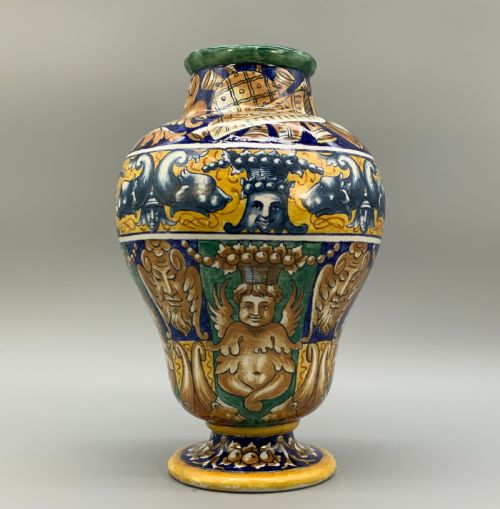
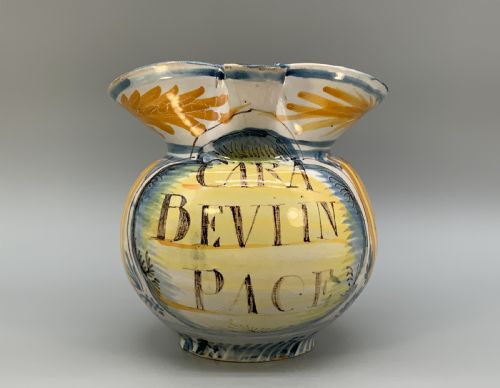
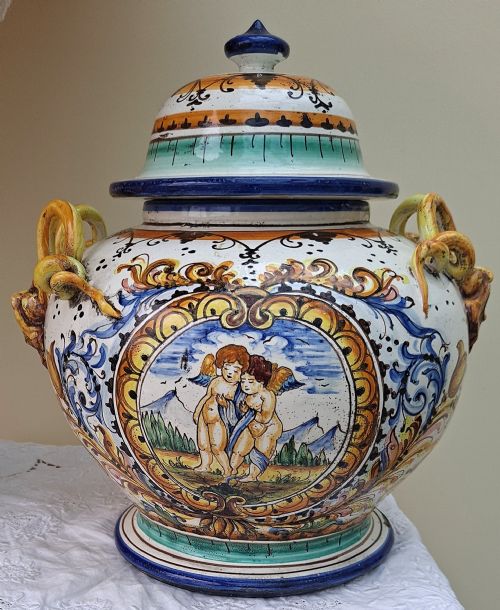
Antique Italian majolica brings rich tin-glazed earthenware into the home through vibrant vessels, chargers, and pharmacy jars decorated with historic pigment palettes.

Antique Italian Majolica
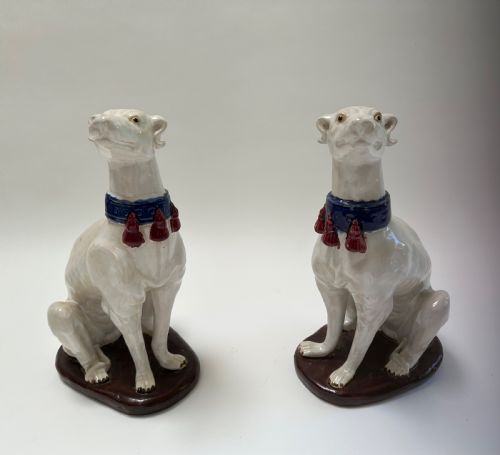
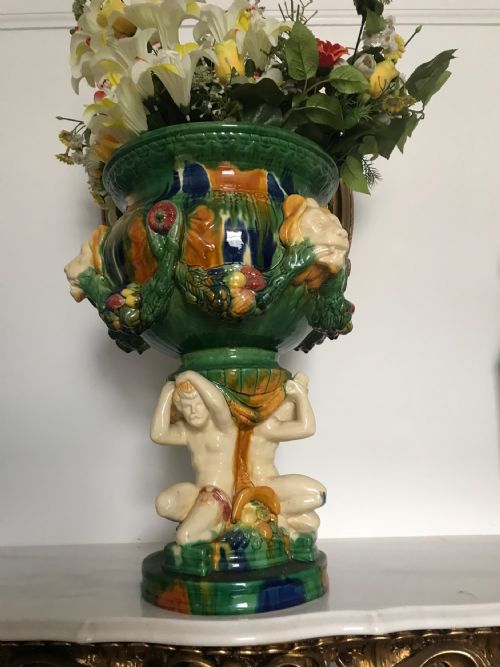
When you search for antique italian majolica, you encounter an array of tin-glazed earthenware vessels, chargers, pharmacy jars, and wall art spanning from the seventeenth century through the early twentieth century.
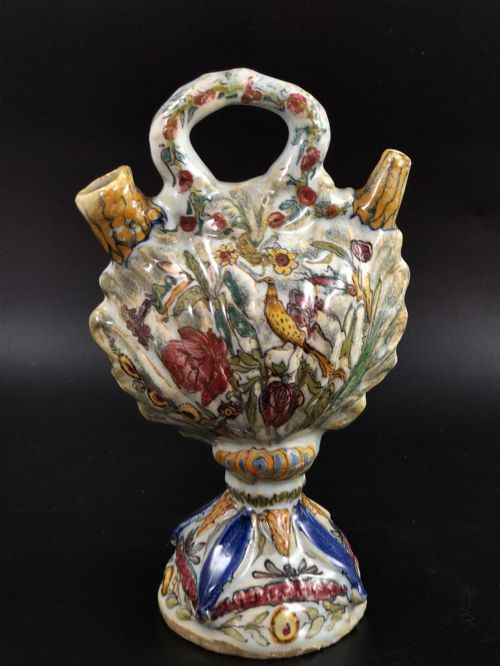
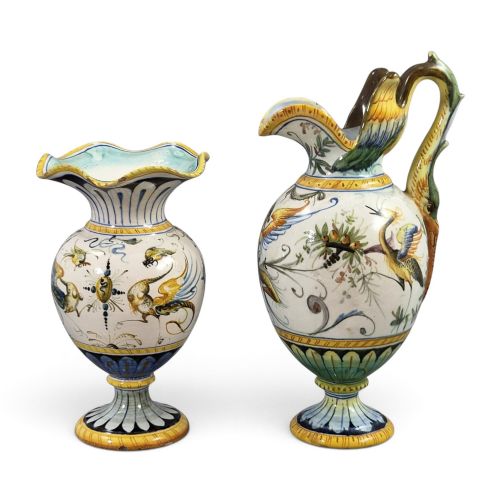
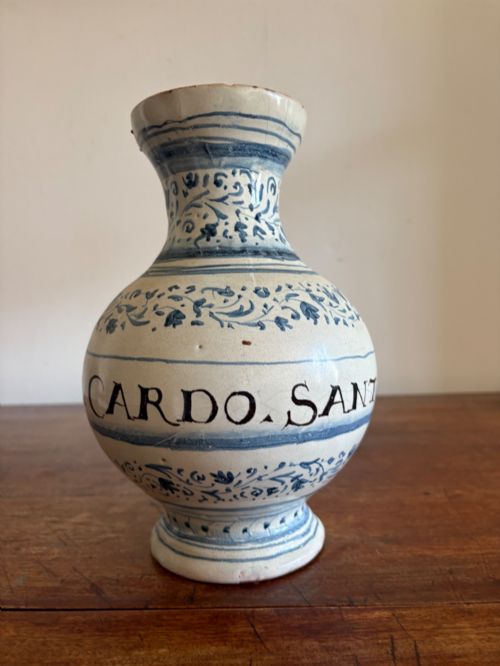
The selections on this page commonly feature forms such as albarelli, pilgrim flasks, ewers, and large decorative chargers drawing on traditional Italian styles and Renaissance revivals.
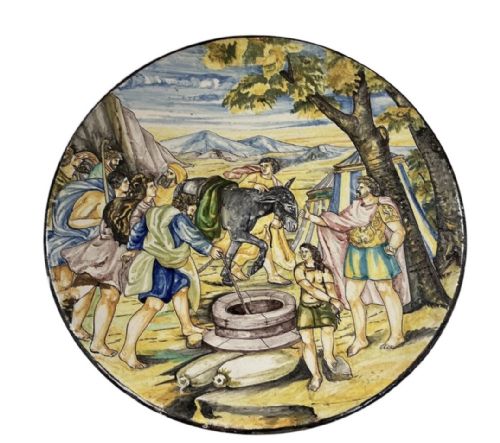
Makers and regional potteries from places like Florence, Savona, and Pesaro produced both utilitarian drug jars and elaborate display pieces painted with classical and historical scenes.
How they were made
Potters shaped earthenware and terracotta bases before applying a white tin glaze that provided a smooth opaque surface for hand painting with mineral pigments.
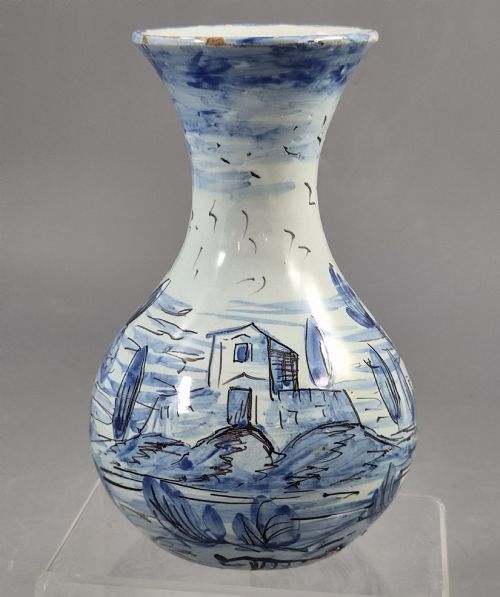
Artisans utilised cobalt blue, manganese, and yellow pigments to create polychrome or blue and white designs, often firing the pieces multiple times to fix the glaze and colours.
Listings span earthenware, terracotta, and tin-glazed earthenware forms, encompassing pharmacy jars, chargers, and vases from the seventeenth to the twentieth century.
What varies in quality
The standard of antique italian majolica rests upon the precision of the hand painting, the complexity of the narrative or decorative scheme, and the crispness of the tin glaze.
Earlier period pieces and works from documented workshops display a sureness of brushwork and depth of pigment that distinguish them from later revival commercial wares.
Cantagalli·Ulisse Cantagalli
The Antique Italian Majolica Glossary
- Maiolica
- Tin-glazed earthenware produced in Italy, typically featuring brightly coloured painted decoration over an opaque white glaze. The term shares roots with majolica.
- Albarello
- A cylindrical earthenware jar used by apothecaries to store drugs and ointments. These vessels often feature waisted sides for easier handling.
- Istoriato
- A style of ceramic decoration depicting historical, mythological, or biblical narratives across the entire surface of the piece. Painters treated the curved vessel or charger as a canvas.
- Charger
- A large decorative plate intended for display on a wall or sideboard rather than for dining use. These items frequently showcase complex painted heraldry or figurative scenes.
Antique Italian Majolica: Frequently Asked Questions
What is an albarello used for?
Apothecaries utilised the cylindrical albarello to store dry drugs, herbs, and medicinal ointments in botanical dispensaries.
The distinctive waisted shape allowed pharmacists to grip the jars securely when stacked on crowded apothecary shelves.
How do I identify tin glaze?
Tin glaze incorporates metallic tin oxide into the liquid glaze mixture, turning it opaque white during the kiln firing process.
This milky white coating completely hides the darker earthenware or terracotta body underneath while creating a receptive surface for pigments.
Where were chargers displayed?
Large decorative chargers were hung on walls or set upon sideboards to showcase the owner's taste and wealth.
Their substantial size provided painters with a broad circular surface for intricate historical or heraldic scenes.
What defines Renaissance revival majolica?
Renaissance revival majolica replicates the motifs, forms, and palette of sixteenth-century Italian pottery during the nineteenth century.
Potters drew inspiration from museum collections to recreate classical figures, grotesque borders, and rich polychrome glazes.