


Faience Wall Plaque
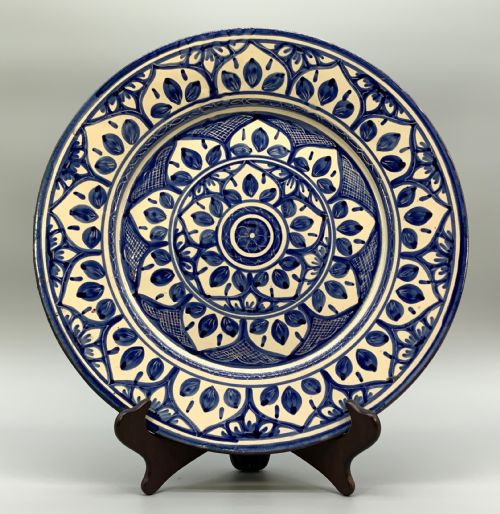
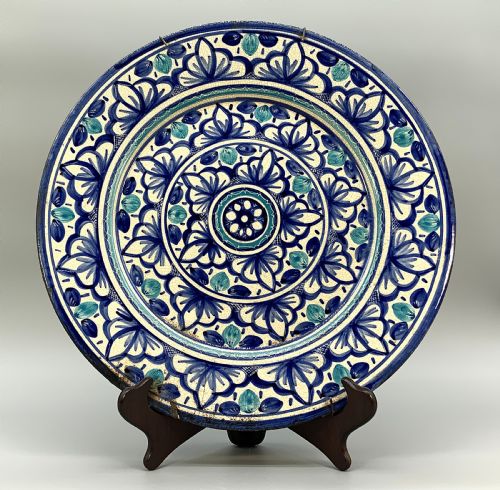
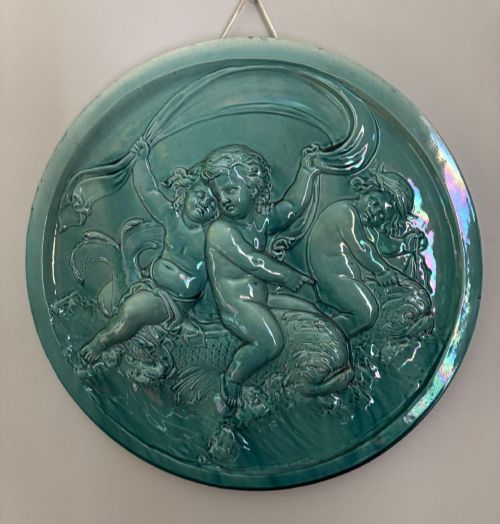
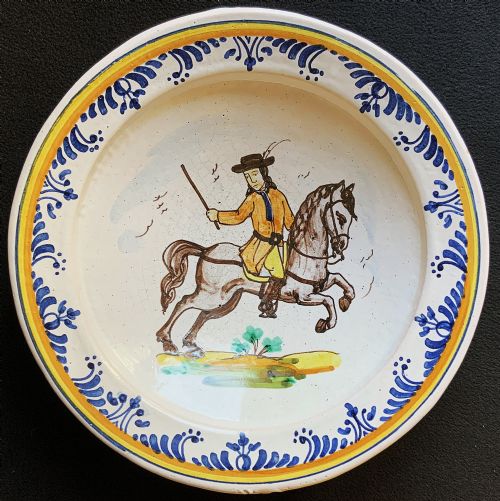
These faience wall plaque pieces are tin-glazed earthenware panels and chargers that bring rich colour and historic narrative directly to your interior walls.
Faience Wall Plaque
A faience wall plaque is typically a decorative charger, plate or rectangular panel formed from tin-glazed earthenware. The selections here span the eighteenth and nineteenth centuries, alongside Edwardian and mid-century examples.
You will most frequently encounter large chargers and scenic wall plaques decorated in styles ranging from Dutch Delft polychrome and Moorish revival to Italian maiolica and French rococo. These items were designed expressly for display, featuring pierced feet or suspension holes on the reverse.
The subjects depicted stretch from devotional religious scenes and classical histories to chinoiserie motifs, literary narratives and Persian script. Each piece functions as a vibrant canvas of fired mineral pigments.
What varies in quality
Quality rests primarily in the ambition of the painting and the clarity of the glaze work. Finer plaques display confident, highly detailed brushwork executed by skilled hands, particularly in complex historical or figural scenes.
The depth and brilliance of the tin glaze, together with minimal kiln distortion in the large chargers, set exceptional examples apart from simpler utilitarian production. Painted signatures or specific factory attributions also elevate the standing of a piece.
Several plaques depict lively scenes from A Rake's Progress and boisterous market days, proving that historic interior decoration loved a good story as much as we do.
Clement Messier·Bassano pottery works·Burmantofts Pottery·Cantagalli
The Faience Wall Plaque Glossary
- Tin-Glazed Earthenware
- Earthenware pottery coated with a white, opaque glaze containing tin oxide. This creates a smooth, pale canvas suitable for detailed hand-painted decoration.
- Charger
- A large decorative plate or platter originally used for serving food at grand tables, later adapted almost exclusively for vertical wall display.
- Polychrome
- Decoration employing multiple distinct colours. In these pieces, it typically refers to a palette beyond traditional blue and white.
- Istoriato
- A style of pottery decoration featuring detailed narrative scenes derived from history, mythology or religion. The term originates from Italian Renaissance majolica production.
Faience Wall Plaque: Frequently Asked Questions
How do I hang a heavy faience wall plaque?
Most antique chargers and plaques feature integrated foot rings with drilled suspension holes specifically designed for secure wire or cord hanging. Ensure your wall fixing is anchored into solid masonry or a stud rather than relying solely on plaster.
For pieces without factory suspension holes, consult a professional framer to utilise a custom-built brass or coated wire display mount that supports the base securely.
How do I clean an antique tin-glazed plaque?
Dust the surface gently with a soft, dry ostrich feather duster or a clean, dry artist's brush. Avoid using water, chemical cleaning agents or abrasive cloths, as historic tin glaze can be porous and susceptible to moisture infiltration.
If stubborn grime requires intervention, seek a professional ceramic conservator rather than attempting DIY liquid cleaning on delicate eighteenth or nineteenth-century surfaces.
How can I tell eighteenth century faience from nineteenth century revivals?
Eighteenth-century pieces typically exhibit softer body fabrics, subtle irregularities in the tin glaze, and hand-mixed pigments characteristic of period workshops. The palette and subject matter often align closely with genuine domestic use or contemporary export trends.
Nineteenth-century revival pieces, while masterfully executed, frequently display brighter, more chemically consistent modern pigments and sharper kiln control. Look closely at the potting weight and foot rim construction for clues to the era.
Were these plaques meant for dining or display?
Larger chargers and pictorial plaques were primarily manufactured for decorative display on walls or dresser plate racks. Their painted narratives and commemorative subjects made them prestige items for domestic interiors.
While sharing technical origins with tableware, the presence of suspension holes confirms their intended role as interior ornamentation rather than functional dining vessels.