


Dutch Tin Glaze Earthenware
Dutch tin glaze earthenware brings colourful cobalt ornament and opaque white surfaces to chargers, vases, and tiles across the seventeenth, eighteenth, and nineteenth centuries.
Dutch Tin Glaze Earthenware
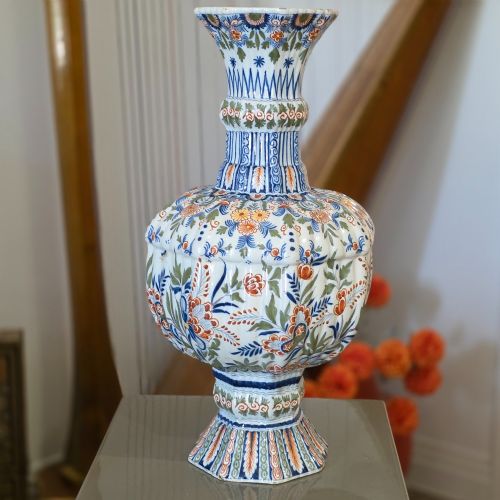
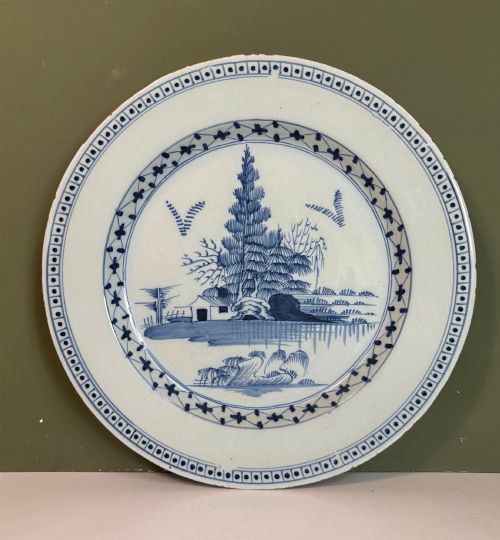
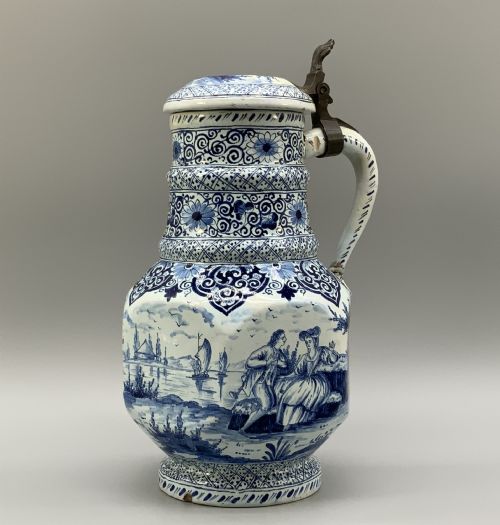
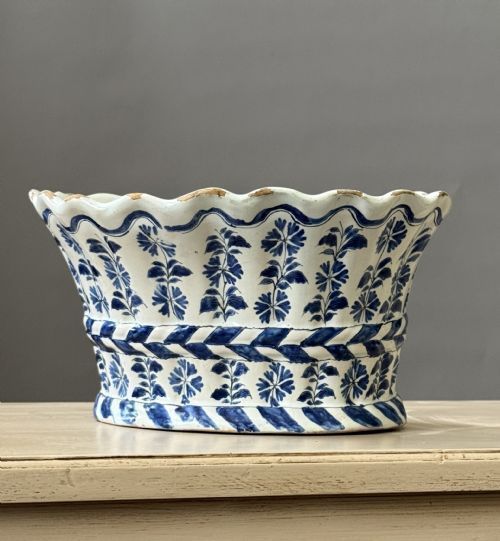
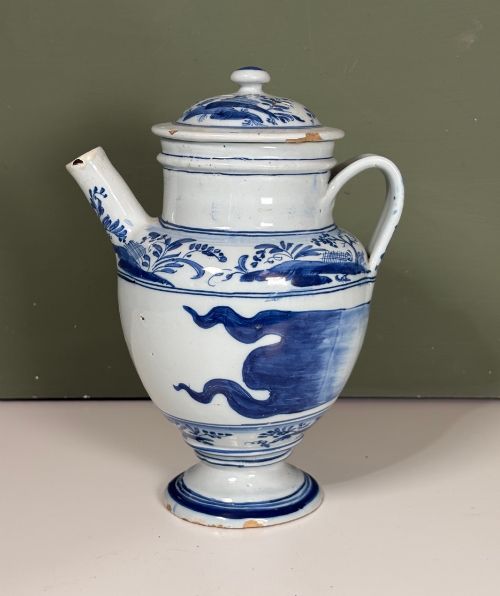
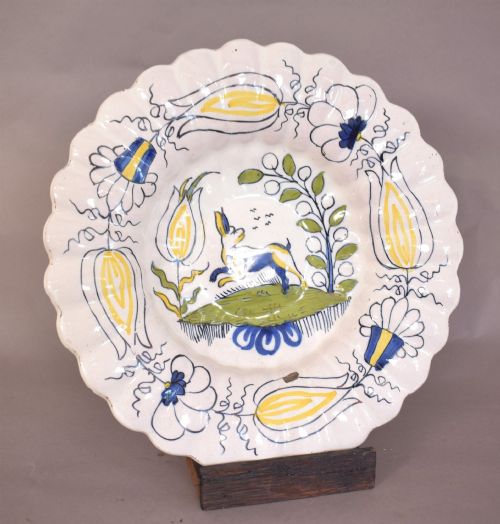
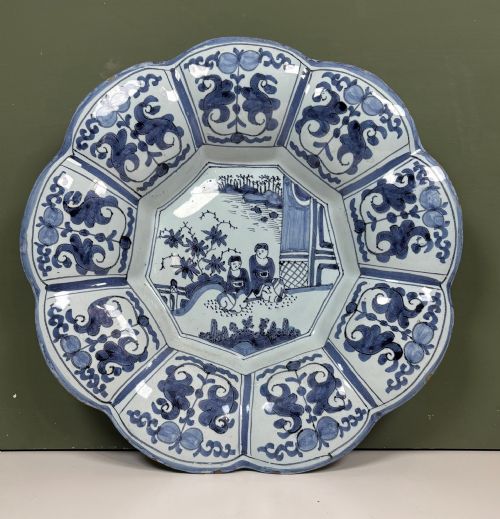
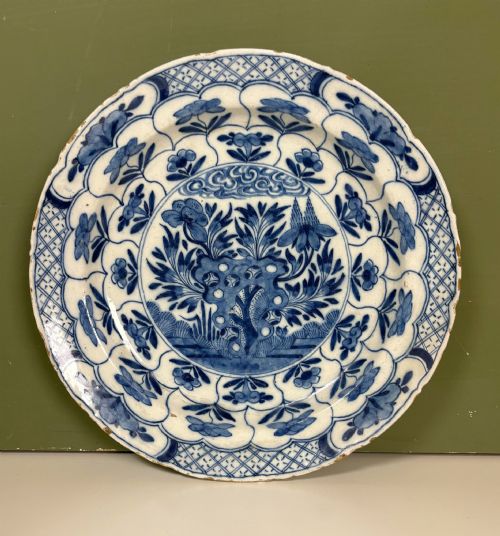
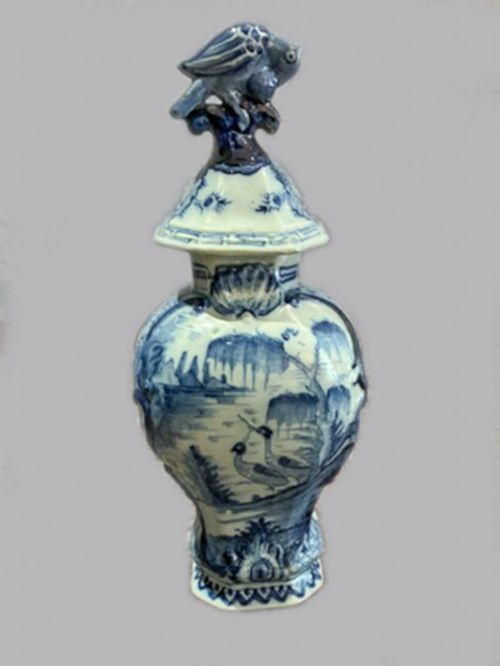
When you search for dutch tin glaze earthenware, you encounter objects shaped as chargers, decorative plates, vases, and jugs spanning the seventeenth to the nineteenth centuries. These pieces encompass utilitarian vessels and display items made in Dutch traditions.
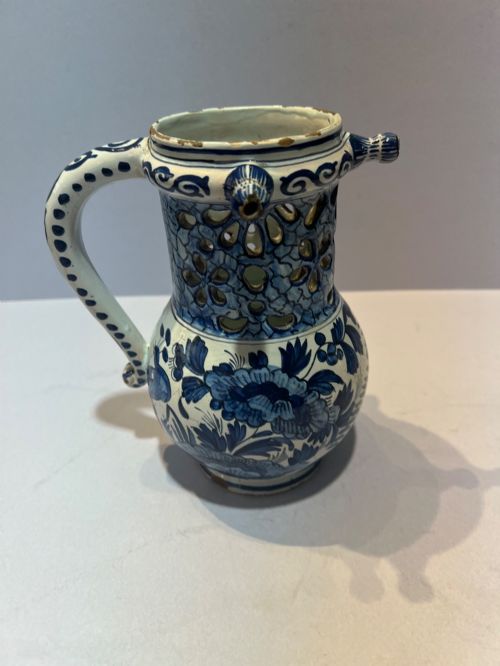
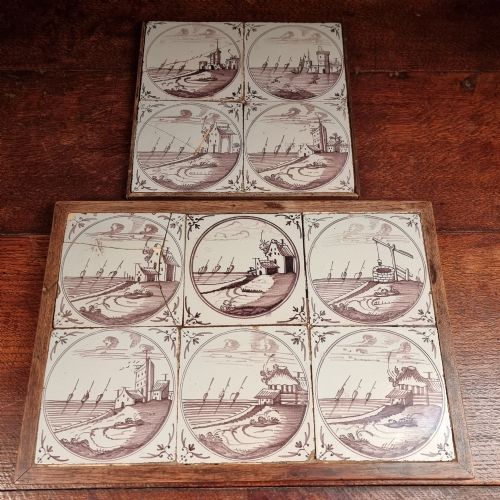
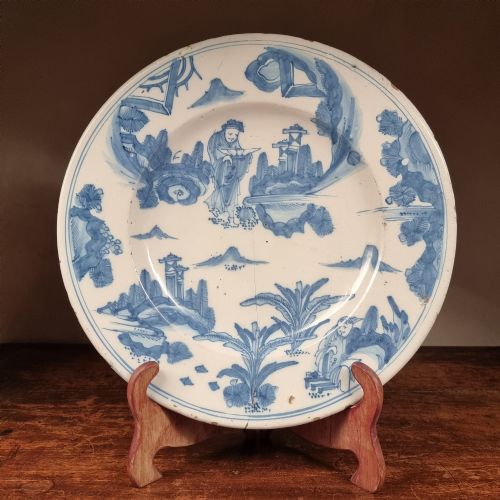
Large charger plates and lidded vases dominate the selection, alongside apothecary jars, posset pots, and wall tiles. Eighteenth-century examples appear frequently, joined by seventeenth-century dishes and nineteenth-century figural pieces such as pottery cows.
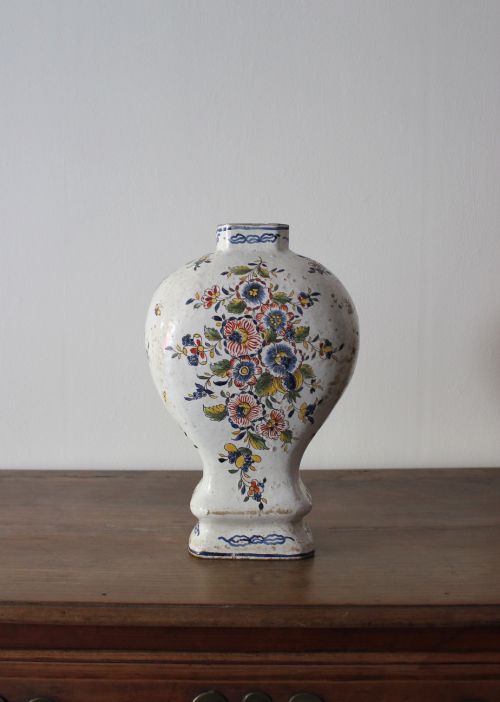
The decorative vocabulary draws heavily on blue and white pigments, polychrome palettes, and Chinoiserie motifs. Collectors find specialised forms like puzzle jugs, barber's bowls, and marriage plates amongst the standard bowls and urns.
Materials and Techniques
Potters shaped earthenware bodies and coated them in a tin-based glaze that produced an opaque, milky white surface upon firing. Cobalt pigment was then applied directly to this raw glaze to create deep blue designs.
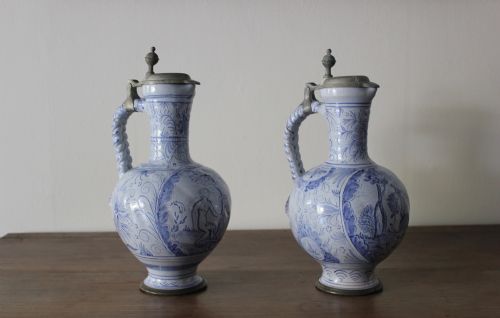
Makers utilised cobalt oxide and copper-based pigments for polychrome details, sometimes incorporating pewter mounts on jugs and pitchers. Hand-painted brushwork defines both the tiles and the larger garden urns.
Pottery cows and puzzle jugs prove that historic Dutch potters maintained a very dry sense of humour.
Craft and Detail
The crispness of the hand-painted cobalt pigment against the opaque tin glaze distinguishes finer examples from simpler work. Painted details ranging from intricate Chinoiserie scenes to specific pictorial motifs like swan designs demonstrate superior artisan skill.
The complexity of the vessel shape influences distinction, particularly in lobed dishes, lidded posset pots, and large baluster vases with handles. Intact covers on jars and garden urns preserve the original silhouette intended by the potter.
The Dutch Tin Glaze Earthenware Glossary
- Tin-Glazed Earthenware
- Pottery fired with a lead glaze made opaque by the addition of tin oxide. This white surface provides a smooth ground for painted decoration.
- Charger
- A large ornamental plate intended for display on a wall or dresser rather than for dining. These often feature elaborate blue and white or polychrome scenes.
- Baluster Vase
- A vessel with a rounded body that tapers toward the base and swells near the middle. Many examples include fitted lids and handles.
- Posset Pot
- A spouted vessel with handles used for serving a traditional hot drink of spiced milk curdled with wine or ale. Surviving lids add significantly to their completeness.
- Chinoiserie
- European artistic styles reflecting Chinese motifs and landscapes. This aesthetic appears frequently on seventeenth and eighteenth-century blue and white dishes.
Dutch Tin Glaze Earthenware: Frequently Asked Questions
What is dutch tin glaze earthenware?
These pieces are ceramic objects coated in a tin-opacified glaze, commonly decorated with cobalt blue pigment on an earthenware body. They originate from Dutch potting traditions across multiple centuries.
Potters shaped them into everyday items and decorative display pieces, ranging from flat wall tiles to large garden urns and apothecary jars.
How were these pieces used?
Many items served practical domestic and medical purposes, including apothecary jars for medicines, posset pots for drinks, and barber's bowls for shaving.
Larger chargers and decorative plates functioned primarily as wall ornaments or table display pieces to showcase wealth and taste.
How do I identify seventeenth-century pieces?
Seventeenth-century examples often feature specific forms like lobed dishes, patch boxes, and early chargers with distinct Kraak-style influences.
The brushwork and tin glaze characteristics align with historical production periods documented across Dutch workshops.