







Cobalt Blue Ceramic Plaque
A cobalt blue ceramic plaque brings rich colour and historic character to a room, offering a striking focal point for any wall.
Cobalt Blue Ceramic Plaque
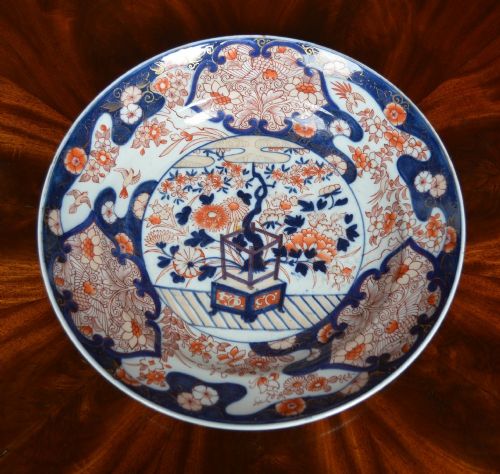
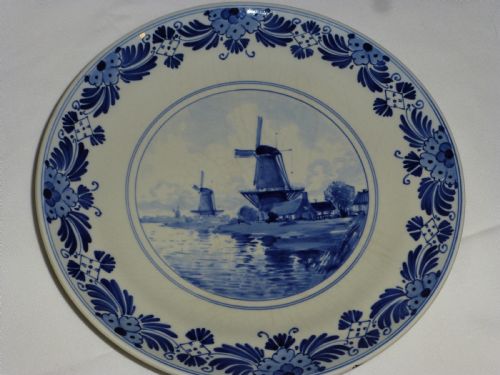
A cobalt blue ceramic plaque encompasses decorative wall plates, chargers, tiles, and cabinet plates produced across several centuries. You are most likely to meet Victorian and 19th-century examples featuring blue and white glaze, alongside Dutch Delft and Japanese Imari styles.
The selection ranges from large decorative chargers and platters to portrait plaques and salesman samples in porcelain and earthenware. These pieces bridge decorative arts and wall display, often combining traditional pottery forms with detailed hand-painted scenes.
Origins span European factories such as Royal Vienna, Sevres, and Royal Bonn, alongside Dutch Delftware and Eastern traditions like Meiji period Imari. Each piece demonstrates how makers utilised deep cobalt pigments on ceramic surfaces to create lasting visual impact.
How they were made
Potters shaped these items in porcelain, earthenware, and tin-glazed ceramic before applying cobalt blue pigment beneath or over the glaze. Firing at high temperatures fixed the metallic oxide to produce the characteristic deep blue hue.
Many items incorporate additional decorative techniques such as gilding with gold leaf, enamel work, and specialised methods like pate-sur-pate. Hand-painting by signed artists appears on finer porcelain bodies, ensuring individual detail on each plate or plaque.
Listings span earthenware, porcelain, and tin-glazed ceramic, utilising cobalt blue alongside gilding, enamel, and gold leaf.
What varies in quality
Quality rests in the crispness of the cobalt painting, the fineness of the ceramic body, and the complexity of the glaze or gilding. Superior pieces display confident brushwork and precise detail rather than mechanical transfer printing.
The reputation of the maker and the skill of the individual artist elevate certain plaques and chargers above standard production wares. Preservation of the surface enamel and the depth of the blue pigment further distinguish finer examples.
Royal Bonn·Royal Vienna·Royal Worcester·Sevres·Birks
The Cobalt Blue Ceramic Plaque Glossary
- Charger
- A large decorative plate or platter traditionally displayed on a wall or sideboard rather than used for dining. These form a major portion of the larger blue ceramic pieces available.
- Tin Glaze
- An opaque white glaze containing tin oxide, providing a smooth surface for painting in cobalt blue. This technique defines traditional Delftware production.
- Pate-sur-pate
- A method of building up raised white designs in liquid clay upon a contrasting coloured ceramic body before firing. Birks utilised this skilled technique on decorative plaques.
- Imari
- A style of Japanese export porcelain featuring deep cobalt blue alongside iron red and gold details. These plates and chargers gained immense popularity in Europe during the 19th century.
- Cabinet Plate
- A decorative plate intended for display in a cabinet or on a wall rather than everyday service. These often feature hand-painted portraits or fruit studies by named artists.
Cobalt Blue Ceramic Plaque: Frequently Asked Questions
How do I hang a heavy ceramic charger?
Heavy chargers and plaques require specialised wall fixings designed to support distributed weight safely. Wire hangers with padded grips distribute pressure evenly across the rim without stressing the ceramic body.
Ensure the fixing engages directly with wall studs or utilises appropriate cavity anchors. Check the security of the mount periodically to maintain stable display.
What is the difference between Delft and Imari styles?
Dutch Delft pieces typically feature tin-glazed earthenware decorated solely in blue and white pigments. Their designs often draw from Dutch Baroque or Asian porcelain motifs.
Japanese Imari items utilise hard porcelain bodies decorated with cobalt blue, iron red, and gilding. The palette and composition reflect Meiji period aesthetics and earlier Japanese traditions.
Can these plates be used for serving food?
Most antique decorative plaques and chargers serve primarily as wall art or cabinet display items. Historic glazes and delicate overglaze gilding may not withstand modern culinary use or dishwasher cleaning.
Displaying them on walls or plate stands protects the fragile surfaces and painted details from wear. Treat them as works of art rather than functional tableware.
How should I clean antique ceramic plaques?
Dust surfaces gently with a soft, dry cloth to remove everyday particles. Avoid harsh chemical cleaners, abrasives, or soaking, which can damage delicate gilding and enamels.
If deeper cleaning is necessary, consult a professional conservator to prevent moisture ingress into unglazed ceramic foot rims or historical repairs.
How do I identify 19th-century porcelain?
Nineteenth-century porcelain often bears maker marks, factory stamps, or artist signatures on the reverse. Examining the weight, translucency, and glaze consistency provides further clues to origin.
Stylistic indicators such as Victorian historicism or aesthetic movement motifs help narrow the production period alongside physical evidence on the ceramic body.