



Blue and White Plaques
Blue and white plaques bring centuries of ceramic artistry into your home, offering classic cobalt scenes and moulded earthenware for your walls.
Blue and White Plaques
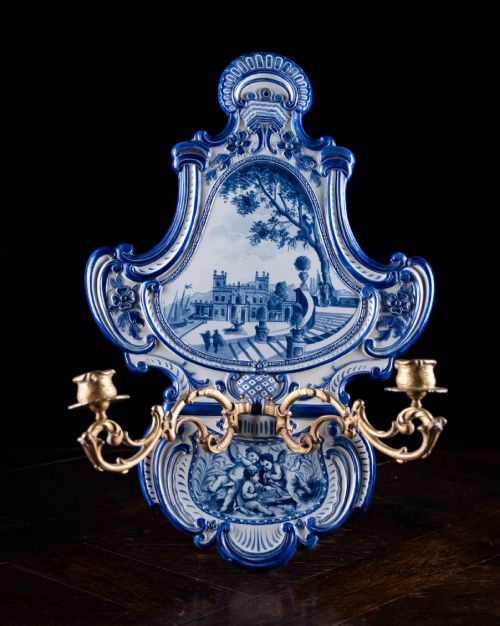
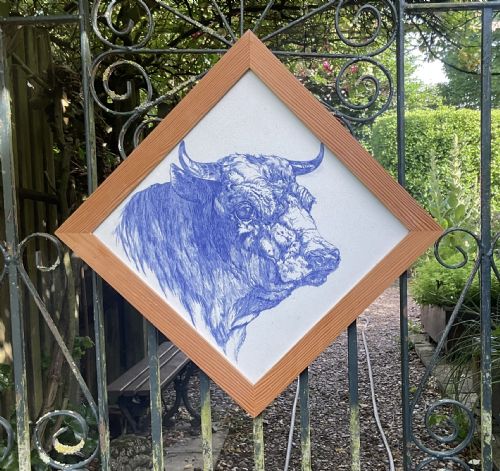
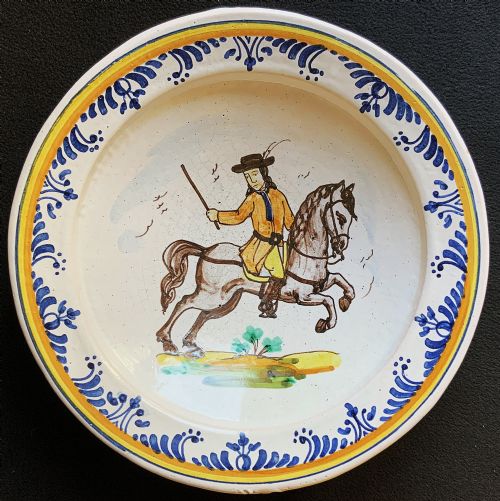
When you search for blue and white plaques, you encounter a range of ceramic items designed for display, spanning centuries from the eighteenth century to the mid twentieth century. These pieces include devotional plaques, portrait medallions, and large decorative chargers shaped in earthenware, porcelain, and tin glazed earthenware.
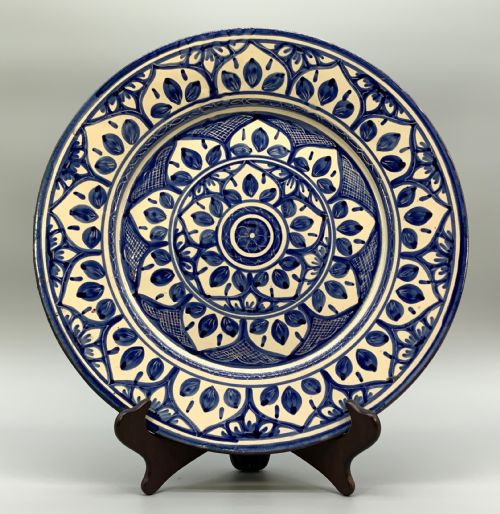
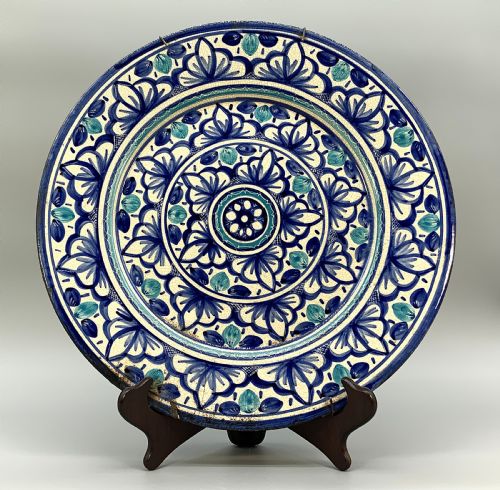
The versions you are most likely to meet on this page include Dutch delft and continental antique delft charger plates, alongside framed Chinese plaques and tiles produced by factories such as Mintons. Styles vary widely, touching upon Moorish revival, eighteenth century Spanish designs, and Dutch baroque traditions.
Beyond standard wall hangings, the category extends to salesman's sample pieces, portrait chargers, and architectural tiles that demonstrate the versatility of cobalt decoration across different European and Asian traditions.
Materials and techniques
Potters relied primarily on ceramic, earthenware, and porcelain bodies, applying tin glaze or standard transparent glaze before painting cobalt decoration onto the surface. Tin-glazed earthenware, often associated with delft and faience production, provided an opaque white background that made the blue pigment stand out during firing.
Advanced techniques included pate sur pate, visible on specialised tondos, which involved building up layers of slip to create low relief white designs against a contrasting background. Hand painting ensured that each charger, plaque, and tile retained individual brushwork, whether depicting landscapes, religious subjects, or portraits.
A salesman once carried a miniature pottery plaque jug around to drum up orders, proving that big sales pitches come in small ceramic packages.
Markers of quality
Quality in these ceramics rests upon the crispness of the cobalt painting, the evenness of the glaze, and the precision of the moulding. Pieces originating from established works like Mintons or Villeroy and Boch demonstrate superior control over kiln temperatures and pigment saturation.
Finer examples exhibit greater detail in figurative work, such as devotional scenes or portraits, where the brushwork is confident and expressive rather than hurried or formulaic. The integrity of the ceramic body and the preservation of the original glaze without extensive restoration further separate standard production items from exceptional works.
Villeroy and Boch·Royal Bonn·Mintons·Wedgwood·Bassano pottery works
The Blue and White Plaques Glossary
- Tin-Glazed Earthenware
- Pottery covered with a glaze containing tin oxide, which turns opaque white in the kiln and provides a smooth canvas for painted decoration.
- Charger
- A large decorative plate intended for display on a wall or sideboard rather than for dining use.
- Pate-sur-Pate
- A French term for paste on paste, describing a ceramic decoration technique where successive layers of liquid clay are built up in relief.
- Faience
- Tin-glazed earthenware manufactured in Europe, particularly associated with French, Spanish, and Dutch traditions.
- Tondo
- A circular work of art, typically a painting, relief, or ceramic plaque.
Blue and White Plaques: Frequently Asked Questions
How were ceramic wall plaques displayed?
Ceramic wall plaques and chargers were typically hung using integrated kiln holes in the footrim or specialised wire hangers designed to secure heavy earthenware bodies safely against interior walls. In many historic interiors, large chargers formed part of a decorative arrangement on plate rails or above mantelpieces.
Smaller plaques and devotional pieces were often set directly into timber panelling or mounted within specialised frames to protect their edges from chipping during daily movement.
What is the difference between delft and faience?
Delft specifically refers to tin-glazed earthenware produced in the Netherlands, particularly around the city of Delft, famous for its imitation of Chinese blue and white porcelain. Faience is the broader continental European term for tin-glazed earthenware made in France, Spain, Germany, and other regions.
While both share the same basic technique of an opaque white tin glaze painted with metallic oxides, regional styles reflect distinct local preferences in clay bodies, firing temperatures, and artistic motifs.
How can I identify eighteenth century pieces?
Eighteenth century pieces generally display heavier throwing rings on the reverse, subtle glaze imperfections from wood or coal fired kilns, and characteristic pigment pooling in the cobalt areas. The tin glaze on earlier examples often exhibits soft crazing and minor edge chipping that reveals the porous earthenware body beneath.
Stylistic markers such as Dutch baroque patterns, Spanish catalana designs, or specific devotional iconography also help narrow down the production period when combined with physical examination.
Were these items meant for daily use?
Large chargers and decorative wall plaques were primarily manufactured for visual display to signal the status and taste of the owner. Their expansive painted surfaces made them susceptible to surface wear if utilised for serving food regularly.
Smaller tiles and salesman's samples served different functional roles, ranging from architectural installation in commercial spaces like butcher shops to portable examples used by travelling representatives to demonstrate factory capabilities.