


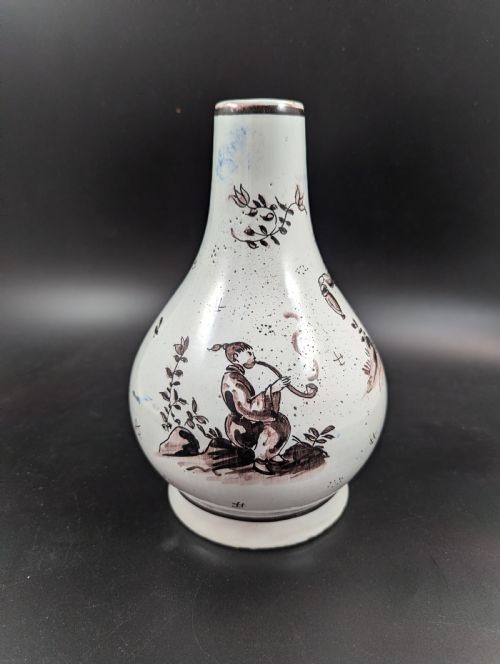


Delft Ceramic Vessel
These delft ceramic vessel pieces bring tin-glazed earthenware and cobalt pigment into interiors through centuries of tradition.
Delft Ceramic Vessel
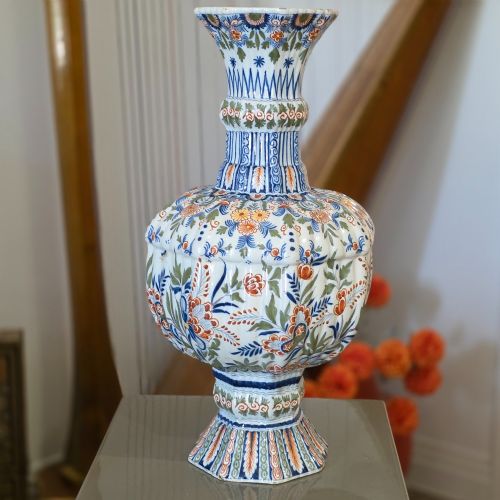
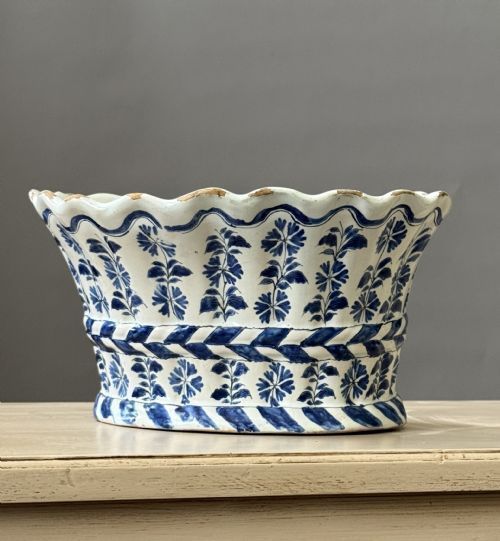
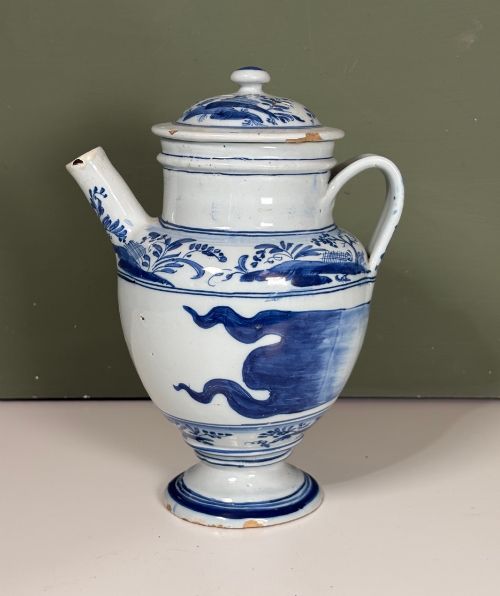
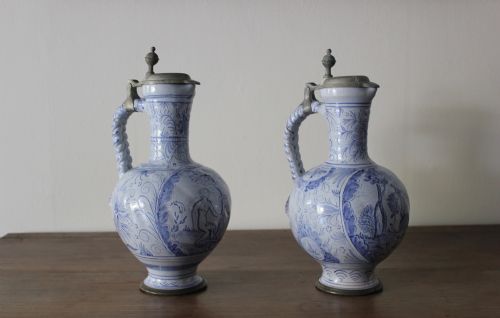
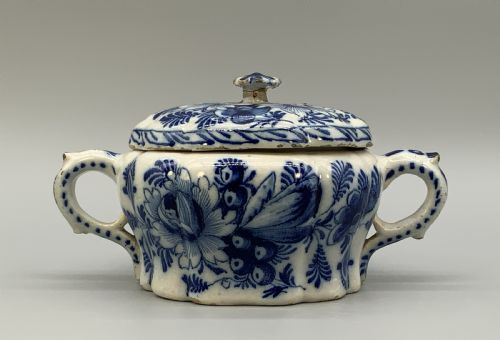
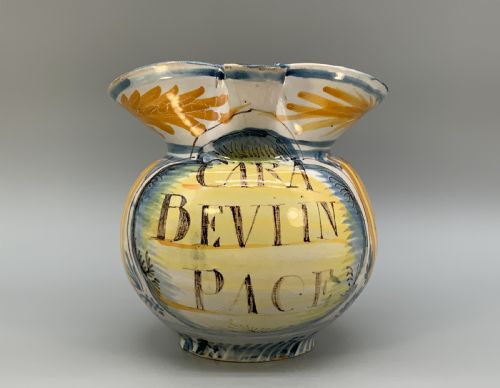
A delft ceramic vessel encompasses items produced across the seventeenth, eighteenth, and nineteenth centuries, spanning domestic and apothecary uses. When exploring a delft ceramic vessel on this page, buyers frequently encounter apothecary jars, storage jars, pharmacy jugs, posset pots, and decorative vases.
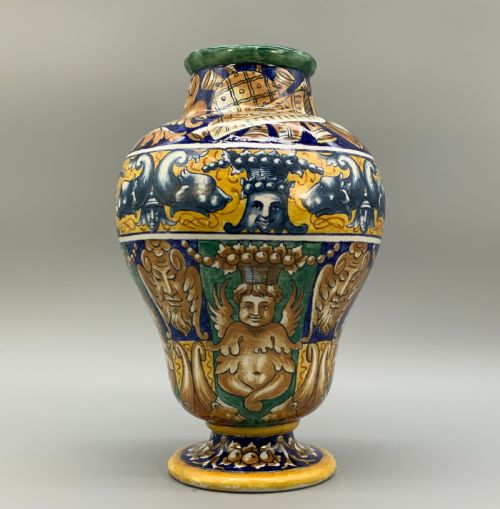
The material record shows Dutch delftware, English delft faience, and Italian majolica pieces carrying blue and white floral or polychrome schemes. Examples range from eighteenth-century Dutch delft tobacco jars to large nineteenth-century revival Italian delft faience albarello drug jars.
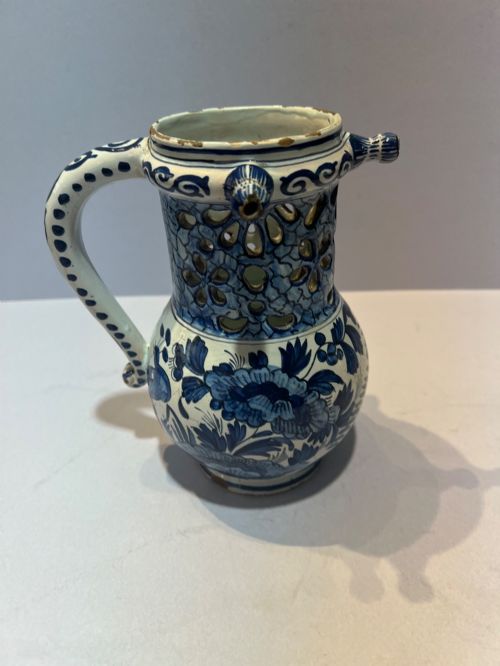
Vessels emerge in distinct regional styles including eighteenth-century Dutch, Dutch Baroque, and seventeenth-century English. Buyers select these items for their historic forms, which include puzzle jugs, bough pots, and monkey toby jugs.
Materials and construction methods
Makers shaped earthenware bodies before applying tin glaze to create an opaque white surface suitable for painting. Artisans utilised cobalt pigment to achieve the classic blue decoration characteristic of many pieces.
Certain items incorporate polychrome palettes, featuring manganese and yellow alongside traditional cobalt. Pewter mounts occasionally appear on vessels, combining metalwork with ceramic bodies.
An 18th-century Dutch delft monkey toby jug by Pieter Verburg proves that historic pharmacists possessed a robust sense of humour.
Evaluating quality in historic ceramics
Quality separates through the crispness of the cobalt pigment brushwork and the evenness of the tin glaze over the earthenware body. Superior examples maintain well-defined painted motifs and harmonious proportions across vases, jars, and jugs.
The sophistication of form execution dictates tier levels, from simple utilitarian storage jars to intricate puzzle jugs and figural toby jugs. Preservation of the tin glaze and original lids on apothecary jars influences the integrity of the piece.
Pieter Verburg
The Delft Ceramic Vessel Glossary
- Tin Glaze
- A lead glaze rendered opaque by the addition of tin oxide, providing a white background for painted decoration. This technique forms the defining surface of delftware.
- Faience
- European tin-glazed earthenware, particularly that produced in France, Italy, and other continental regions. The term overlaps closely with delftware traditions.
- Albarello
- A cylindrical earthenware jar used in pharmacies for storing ointments and drugs. These vessels often feature distinctive waisted profiles.
- Posset Pot
- A two-handled vessel used for serving posset, a hot spiced milk curdled with wine or ale. They frequently include spouts and lids.
- Cobalt Pigment
- A blue metallic oxide colourant used under the glaze to paint pottery. It withstands high firing temperatures without losing intensity.
- Bough Pot
- A decorative vessel pierced with holes on the lid, designed to hold cut flowers or branches. They are typically seen in eighteenth-century forms.
Delft Ceramic Vessel: Frequently Asked Questions
What is a delft ceramic vessel?
A delft ceramic vessel is a piece of tin-glazed earthenware, typically decorated with cobalt pigment on a white background. These items encompass utilitarian apothecary jars, storage containers, and decorative vases.
Production spans from the seventeenth century through the nineteenth century across England, the Netherlands, and Italy. Each item reflects the specific regional style and glazing techniques of its period.
How were apothecary jars used?
Apothecary jars and pharmacy jugs stored dry drugs, herbs, syrups, and ointments in early medical dispensaries. Their tin-glazed surfaces protected contents from moisture and allowed easy labelling.
Many examples feature painted cartouches naming specific contents. Over time, these functional containers transitioned into decorative objects appreciated for their historic character.
How do I clean a historic vessel?
Historic tin-glazed earthenware requires gentle care to protect the soft glaze and delicate painted surfaces. Dusting with a dry, soft cloth is generally sufficient for regular maintenance.
Avoid immersing old ceramics in water or using chemical cleaners, as moisture can penetrate hairline cracks in the glaze. Professional conservation advice should be sought for soiled pieces.
How can I tell the period apart?
Periods are identified through a combination of form, glaze characteristics, and painting styles. Seventeenth-century pieces often display distinct English or Dutch floral motifs, while eighteenth-century items frequently show refined potting and detailed figural work.
Nineteenth-century revival pieces often exhibit heavier earthenware bodies and brighter polychrome or manganese palettes. Comparing form profiles helps confirm the era of manufacture.