


Antique Tin Glaze Vases
When you handle antique tin glaze vases, you touch a tradition of tin-glazed earthenware that spans centuries of Dutch, Italian, and French artistry.
Antique Tin Glaze Vases
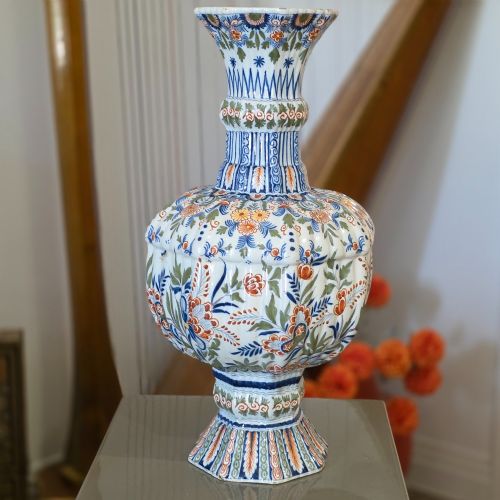
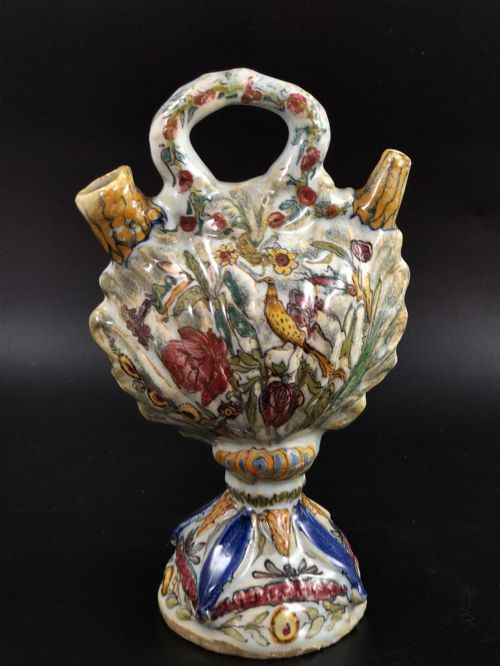
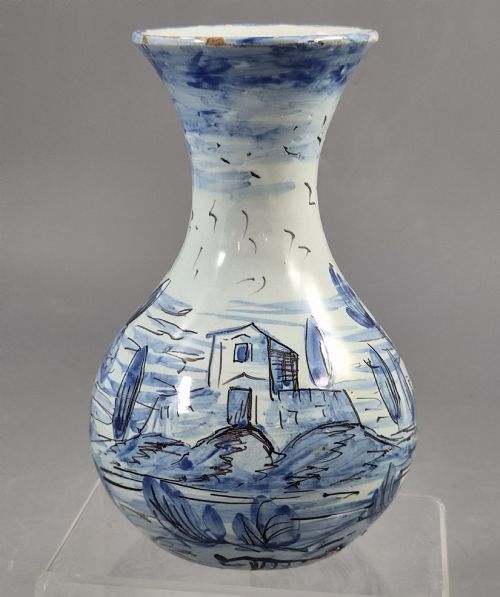
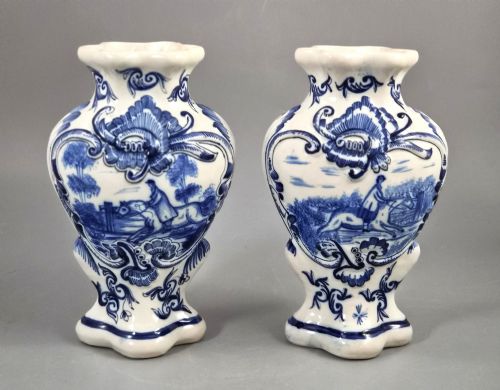
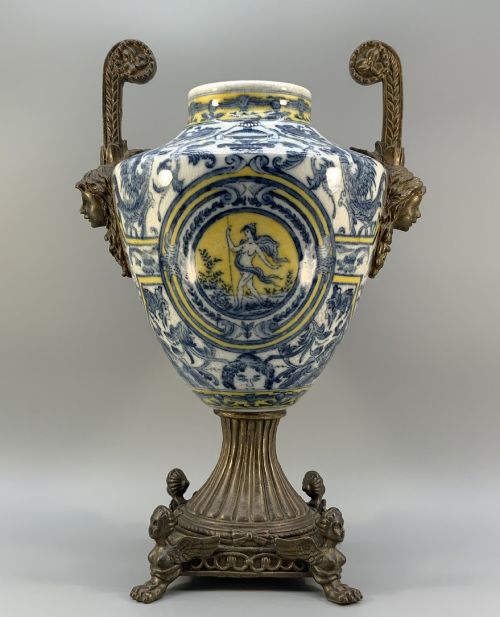
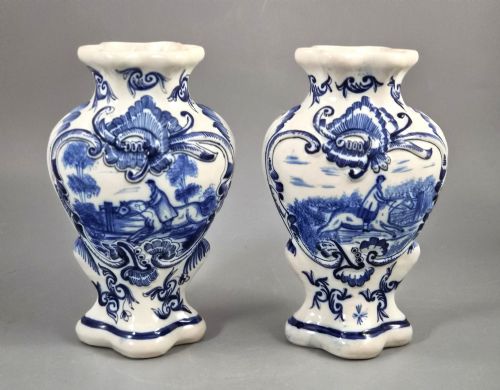
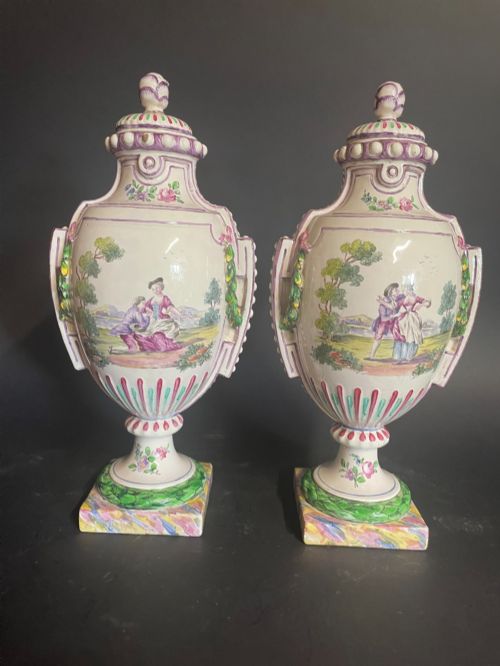
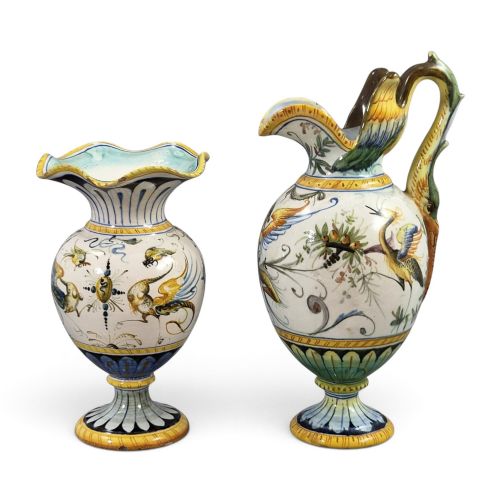
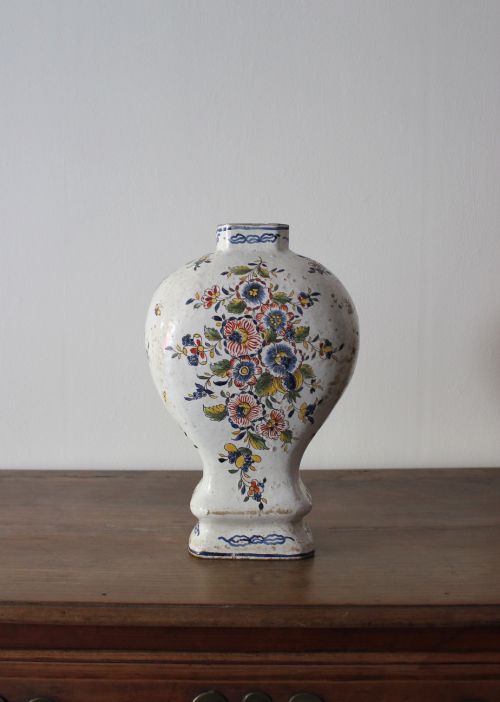
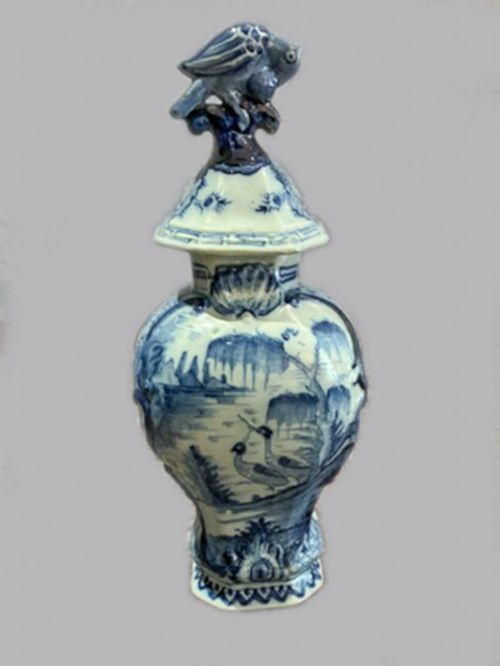
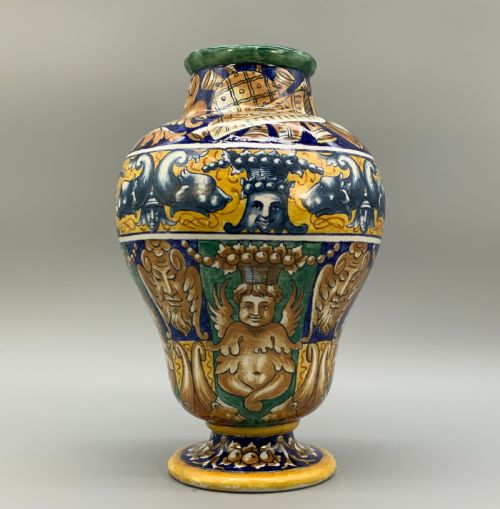
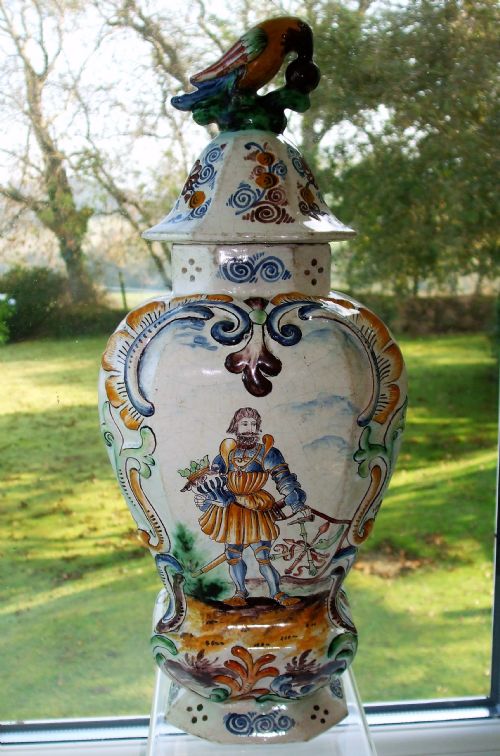
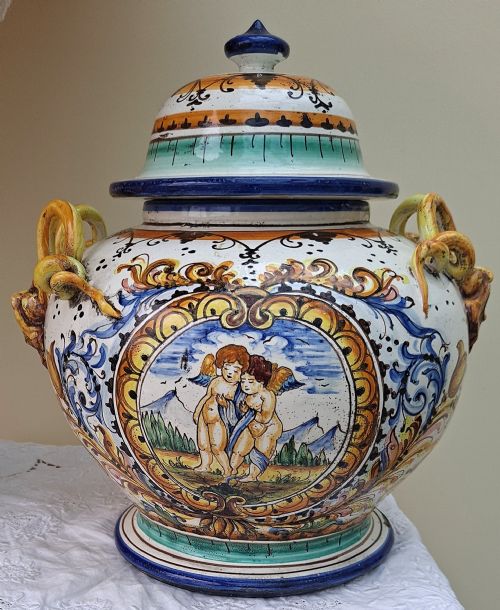
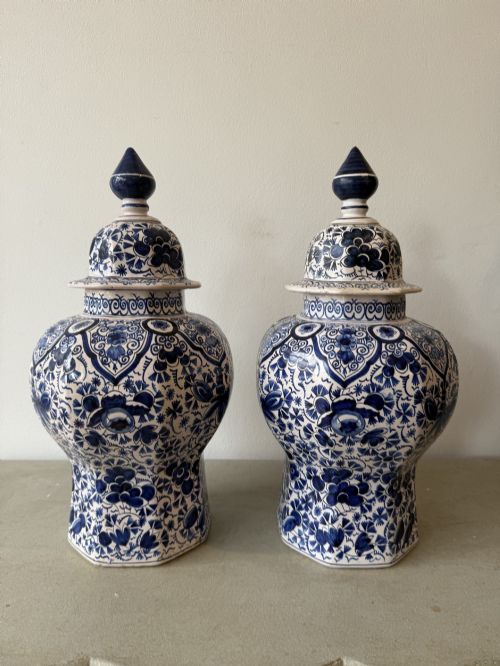
Antique tin glaze vases comprise earthenware vessels shaped as baluster vases, lidded jars, apothecary jars, and pilgrim flasks originating primarily from Dutch, Italian, and French kilns. You will frequently encounter 18th-century Delftware alongside 19th-century revival pieces modelled on earlier Italian Majolica and French faience styles.
The selection ranges from large garden urns and ribbed beaker vases to table lamps adapted from earlier vessels. These forms reflect diverse domestic and apothecary functions across the seventeenth, eighteenth, and nineteenth centuries.
How they were made
Potters shaped these objects from earthenware bodies before coating them in a tin glaze that provided an opaque white surface for painting. Artisans applied cobalt blue, manganese, and polychrome pigments directly onto this absorbent glaze before firing.
Certain pieces incorporate additional structural elements such as brass components or bronze mounts to secure lids, handles, or bases.
Several apothecary jars on display once held dried herbs and sticky unguents in dusty eighteenth-century pharmacies.
What varies in quality
The sophistication of the painted decoration distinguishes simpler production from finer works, particularly in the precision of blue and white chinoiserie motifs or polychrome florals. Hand-painted details executed by established factories show greater depth and control than routine commercial output.
The crispness of the earthenware modelling and the uniformity of the tin glaze application reveal the technical competence of the workshop.
Cantagalli·Fourmaintraux Courquin·Sceaux
The Antique Tin Glaze Vases Glossary
- Tin-glazed earthenware
- Pottery covered with a lead glaze made opaque by the addition of tin oxide. This surface provides a smooth white ground for painted decoration.
- Majolica
- Italian tin-glazed earthenware produced from the Renaissance onwards, known for bright polychrome or blue and white designs. Nineteenth-century makers frequently revived these historic Italian styles.
- Delftware
- Tin-glazed earthenware associated with the Netherlands and English centres such as Lambeth, typically decorated in blue and white. It often draws inspiration from imported Chinese porcelain.
- Faience
- French tin-glazed earthenware encompassing diverse regional styles from centres like Desvres and Sceaux. These pieces often emulate earlier Italian and Dutch designs.
- Albarello
- A cylindrical earthenware jar used by apothecaries for storing drugs and ointments. They frequently feature waisted bodies to allow easy handling on pharmacy shelves.
Antique Tin Glaze Vases: Frequently Asked Questions
What is Italian majolica?
Italian majolica is tin-glazed pottery decorated with metallic oxide pigments on an opaque white glaze. These pieces often display Renaissance Revival styles, historical portraits, or intricate foliage.
Production centres include Florence, Savona, and Nove.
Are these vases waterproof?
Many older earthenware bodies and tin glazes are porous or have developed hairline fractures over centuries of use. Using them directly with water can damage the historic fabric.
Inserting a small glass or plastic container inside protects the interior while allowing you to display flowers.
How should I clean my tin glaze vase?
Dusting with a dry, soft microfiber cloth removes surface particles safely. Avoid abrasive cleaners or soaking the piece, as moisture can penetrate old glaze crazing.
Gentle wiping with a slightly damp cloth is suitable for firmer dirt on stable surfaces.