


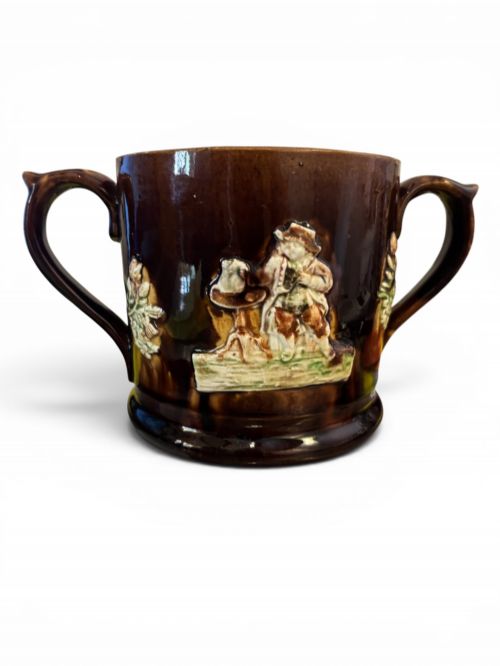


Vintage Earthenware Relief
Vintage earthenware relief brings tactile depth to interiors through moulded ornament, offering textured surfaces that transform a simple wall plaque or vessel into a sculptural centrepiece.
Vintage Earthenware Relief
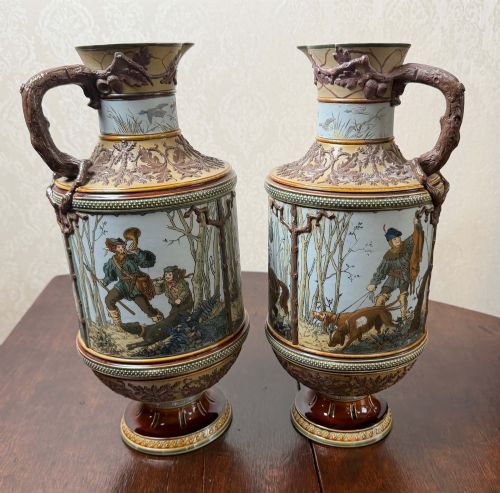
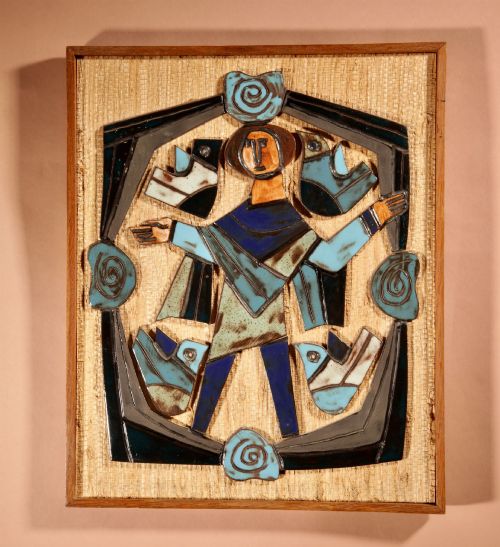
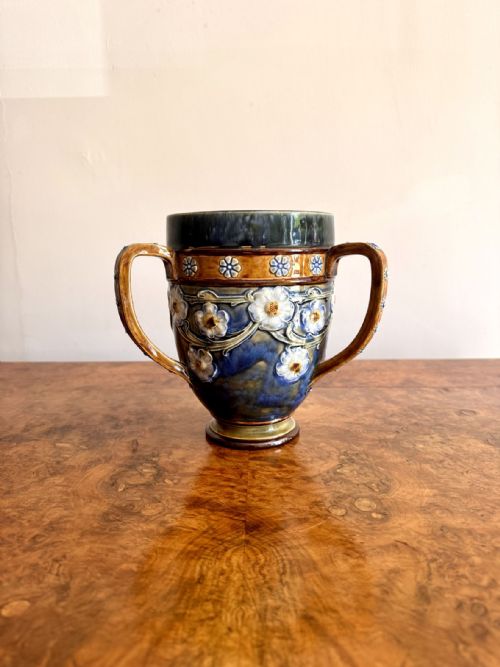
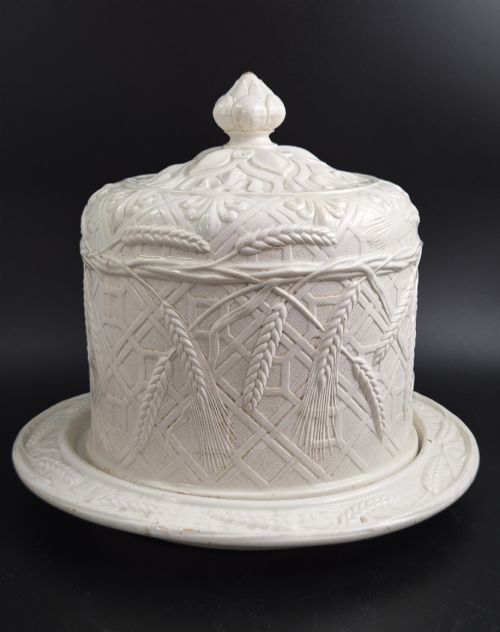
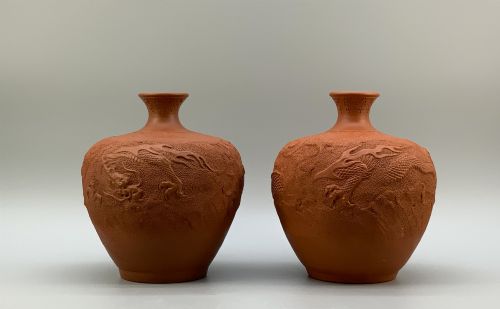
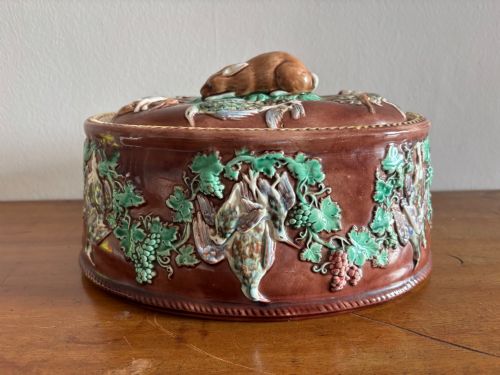
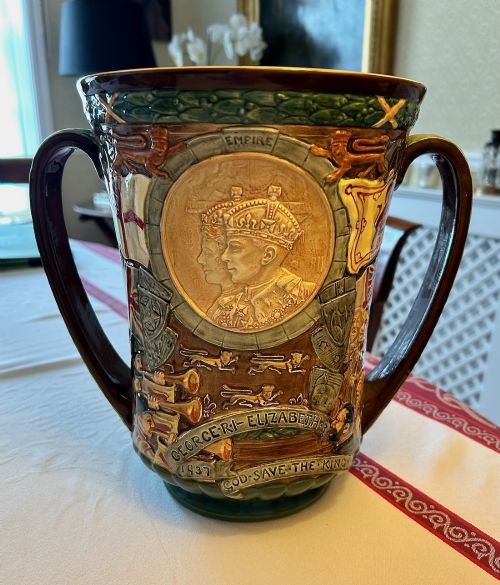
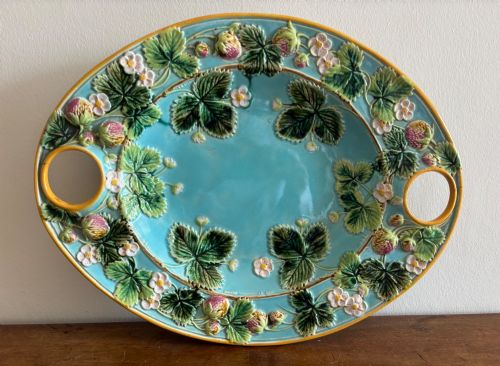
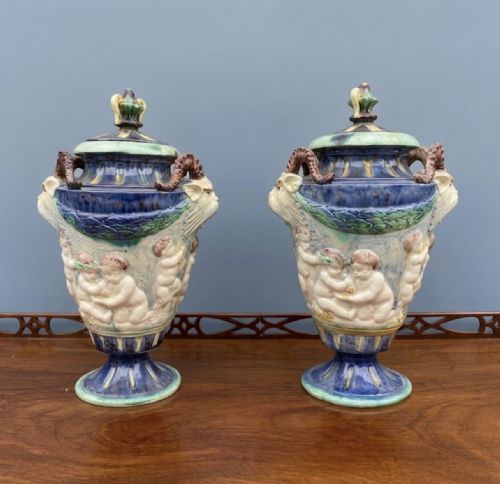
Vintage earthenware relief encompasses utilitarian and decorative objects shaped from clay and finished with moulded or applied surface ornament. Buyers exploring this category encounter vessels, wall art, and serving pieces produced across the nineteenth and twentieth centuries.
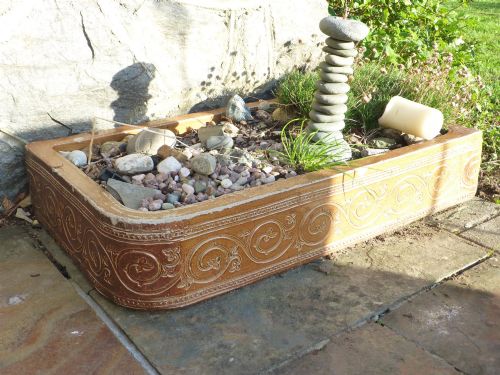
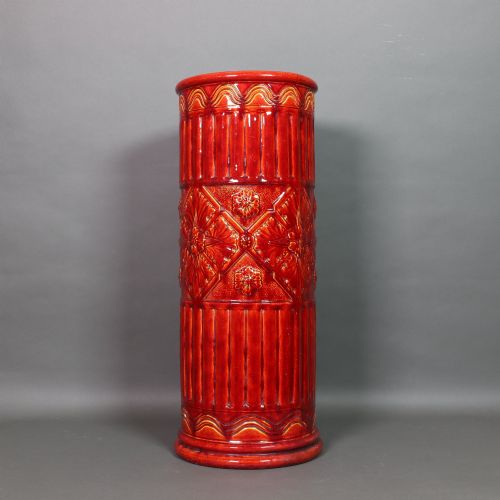
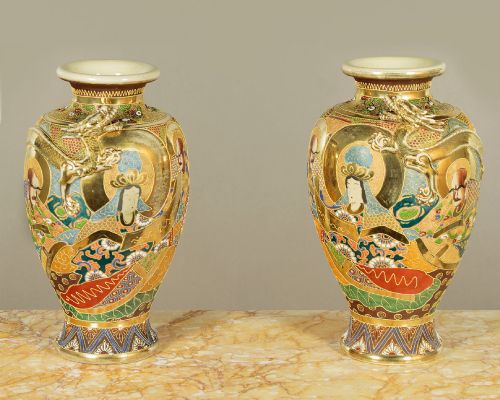
Form follows function across the inventory, ranging from garden planters and stick stands to highly decorative vases and game pie dishes. These pieces showcase how makers utilised raised decoration to add architectural interest to everyday ceramics.
Assessing Craftsmanship and Definition
Quality rests in the crispness of the moulded relief and the control demonstrated during the glazing process. Superior examples maintain sharp, well-defined contours where raised elements meet the body, avoiding the softening that occurs when moulds become worn through repeated use.
The sophistication of the palette and the evenness of the glaze application distinguish exceptional pieces from standard production. Harmony between the modelled ornament and the underlying form separates ambitious studio output from routine commercial manufacture.
Vintage Earthenware Relief Retail Price Guide 2026
Typical asking prices for vintage earthenware relief among the pieces listed under this phrase on Sellingantiques today, from the lower quarter to the upper quarter. They describe what is for sale here now, not the wider market.
Certain drinking vessels conceal miniature ceramic frogs inside, designed to startle drinkers as the ale level drops.
Royal Doulton·Burmantofts Faience·George Jones·Doulton Lambeth·Makuzu Kozan II
The Vintage Earthenware Relief Glossary
- Earthenware
- Porous ceramic pottery fired at lower temperatures than stoneware or porcelain. It requires a glaze to hold liquids.
- Relief
- Sculptural technique where figures or ornamentation project from a flat background. This surface treatment catches light and creates shadow across the ceramic body.
- Majolica
- Soft-pottery earthenware glazed with tin-opacified lead glazes, known for vivid coloration. It gained popularity during the Victorian era for ornamental tablewares and garden pieces.
- Stoneware
- Dense, non-porous ceramic fired at high temperatures until the clay body vitrifies. It is exceptionally durable and impervious to liquids without glazing.
- Slip
- Liquid clay suspension applied to pottery for decoration or sealing before firing. Makers use it to build up raised surface details.
Vintage Earthenware Relief: Frequently Asked Questions
What is vintage earthenware relief?
Vintage earthenware relief comprises ceramic objects featuring raised decorative motifs moulded or applied onto the clay body. These pieces span utility and ornamentation across various historical periods.
Buyers find everything from large garden planters to decorative wall art within this diverse category of ceramics.
How do I clean these ceramics?
Dust these items gently with a dry, soft cloth to protect fragile raised surface details and delicate glazes. Avoid submerging porous earthenware or pieces with historic enamel decoration in water.
Maintenance requires simple dry dusting rather than abrasive cleaning methods that might harm the textured finish.
Are these pieces waterproof?
Water resistance depends entirely on the ceramic body and the interior glazing applied during manufacture. Dense stoneware and fully glazed earthenware vessels hold water safely.
Porous bodies or pieces with unglazed interiors should be used with protective liners to prevent moisture damage.
How do I identify the period?
Dating relies on stylistic clues such as Victorian ornamentation, Arts and Crafts motifs, or Mid-Century Modern forms. Maker marks, registry numbers, and glaze types also help establish an approximate date.
Comparing the manufacturing technique and clay body to established regional outputs provides further chronological context.