




Antique Wall Hanging Plates
These antique wall hanging plates and allied display pieces combine historic craft with practical wall display.
Antique Wall Hanging Plates
Antique wall hanging plates cover a diverse selection of decorative chargers, painted plaques, and functional plate racks designed for vertical display. Buyers searching this phrase encounter ceramic chargers, metallic wall dishes, and timber hanging shelves created to hold or present tableware.
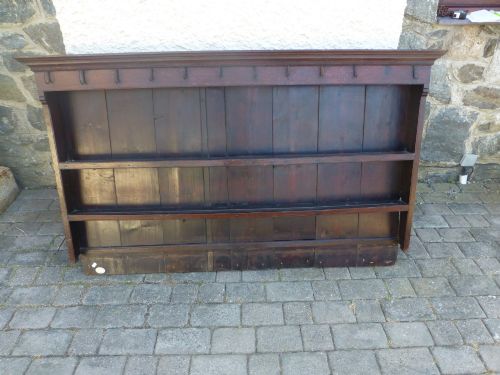
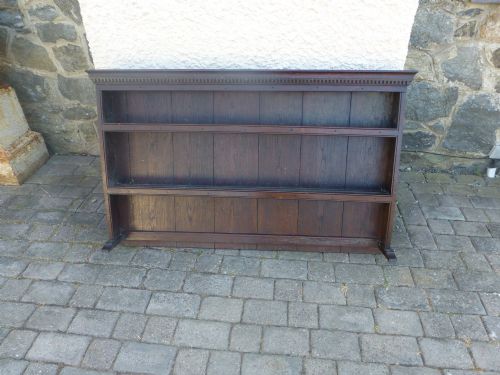
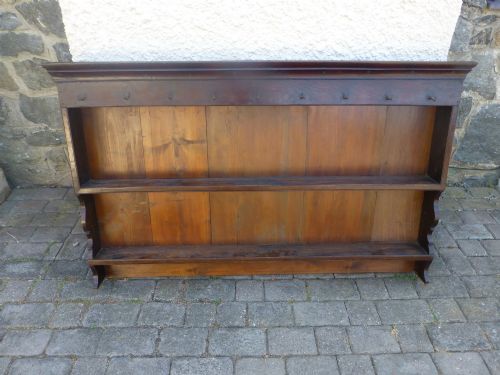
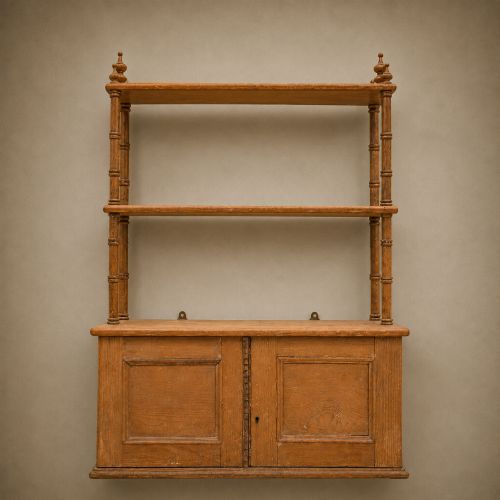
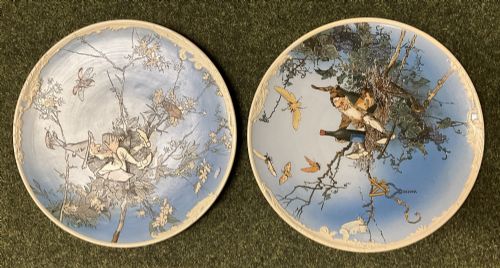
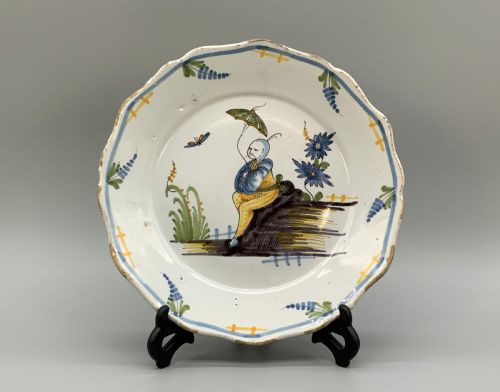
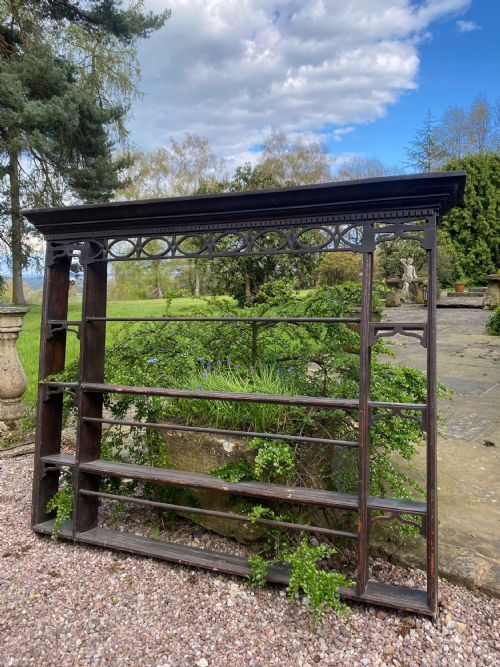
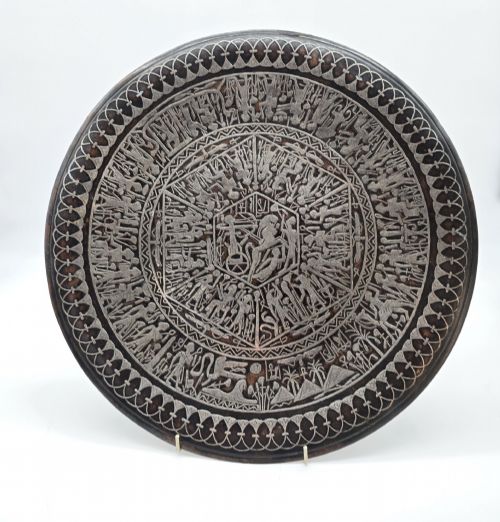
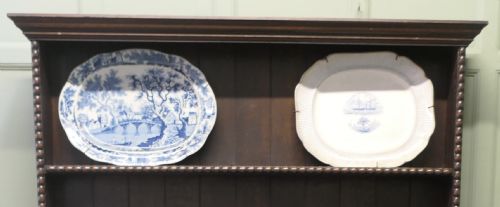
The objects span multiple centuries, ranging from eighteenth-century delft earthenware and brass alms dishes to nineteenth-century porcelain plaques and Arts and Crafts copper work. Domestic display furniture such as oak or mahogany plate racks also feature prominently in this category.
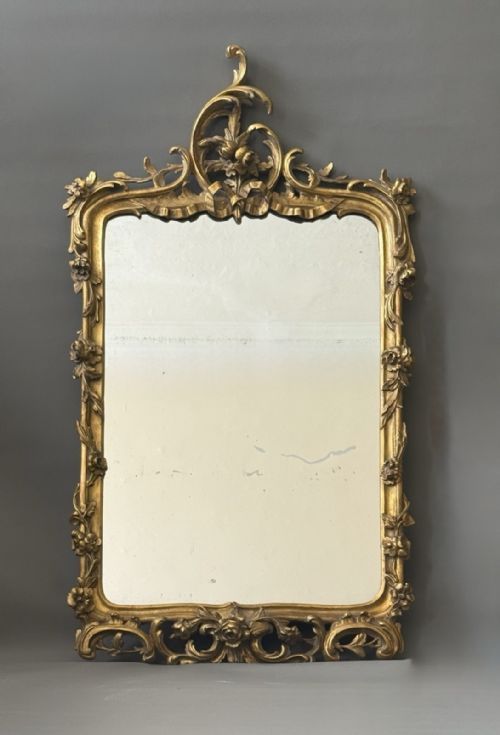
Originating across Britain, continental Europe, and Asia, these items reflect varied regional aesthetics from French Rococo mirrors with antique glass plates to Japanese Imari porcelain chargers.
How they were made
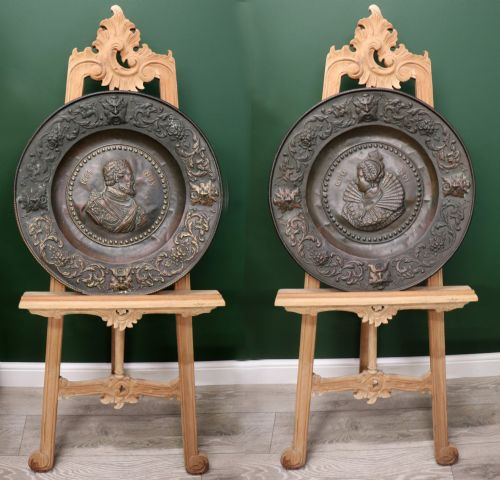
Makers utilised traditional materials including oak, mahogany, brass, copper, and tin-glazed earthenware, shaping them through hand carving, beating, and pottery throwing. Metal items such as copper and brass chargers often display embossed or beaten surface decoration executed by hand.
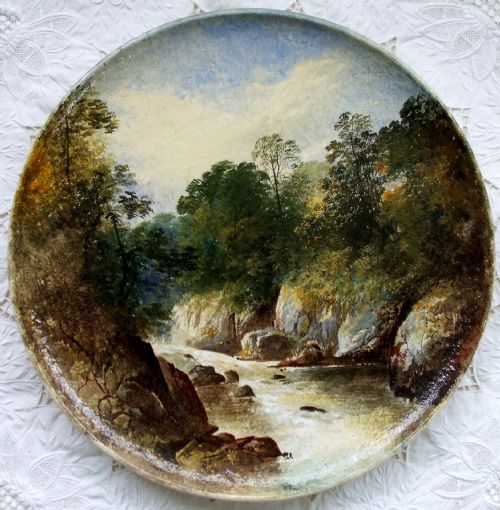
Ceramic pieces involve detailed hand painting under or over glaze, seen in delft faience and porcelain plaques depicting figurative scenes. Timber plate racks and display shelves rely on joinery techniques appropriate to Georgian and Victorian cabinet making.
Listings incorporate diverse materials including oak, mahogany, brass, copper, glass, and glazed ceramics spanning multiple centuries.
What varies in quality
Quality rests upon the crispness of hand-carved timber mouldings, the complexity of beaten metalwork details, and the precision of hand-painted ceramic glazes. Superior examples demonstrate careful proportion and well-preserved original surfaces without intrusive later alterations.
The integrity of the plate glass or ceramic glaze matters greatly, where original mercury plates in mirrors or undisturbed tin-glazes on chargers preserve the historical character of the piece.
Faulkner Bronze Company·Copeland Pottery·Mettlach
The Antique Wall Hanging Plates Glossary
- Charger
- A large decorative plate or dish intended primarily for wall display rather than dining service.
- Delft
- Tin-glazed earthenware originating in towns such as Delft and English production centres, known for blue and white or polychrome decoration.
- Mercury plate
- An early mirror glass produced using a tin and mercury amalgam backing, which creates a characteristic mottled reflection.
- Imari
- Japanese porcelain decorated in underglaze blue and contrasting iron red and gold, popular for export and wall display.
- Alms dish
- A large metal basin, frequently embossed brass, historically used for charitable collections but later adopted as decorative wall hanging plates.
Antique Wall Hanging Plates: Frequently Asked Questions
How do I hang heavy wall plates safely?
Heavy ceramic chargers and brass dishes require specialist wall hooks or spring-loaded plate hangers designed to distribute weight evenly without straining the rim.
Ensure fixings are secured directly into wall studs or utilise appropriate cavity wall plugs depending on your plaster type.
Can antique plate racks hold modern dinnerware?
Georgian and Victorian wooden plate racks were built for specific historical tableware dimensions, which often differ from contemporary plates.
Check the depth of the display grooves and rail spacing before attempting to store modern heavy ceramics.
What is the difference between a charger and a plaque?
Chargers are large circular dishes originally adapted from dining service use into decorative wall pieces, while plaques are created specifically as flat pictorial works of art for vertical display.
Plaques frequently feature framed porcelain or metal portraits and narrative scenes rather than traditional table vessel forms.
How should I clean antique brass chargers?
Dust metal chargers gently with a soft dry cloth and avoid harsh chemical polishes that strip away historical patination.
Preserving the darkened recesses of beaten brass or copper decoration maintains the visual depth of the handcrafting.