




Decorative Ceramic Charger Pair
These decorative ceramic charger pair selections bring bold colour and intricate patterns to your walls and tables.
Decorative Ceramic Charger Pair
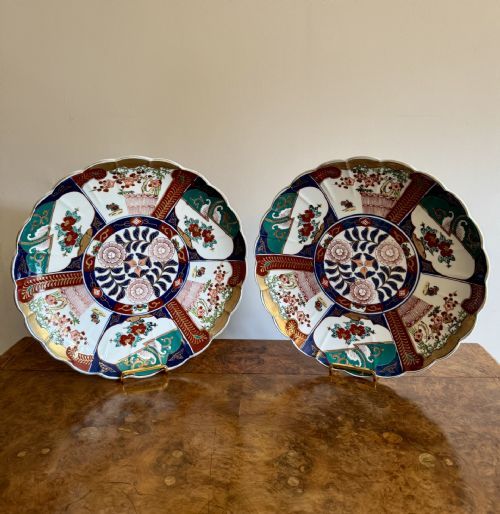
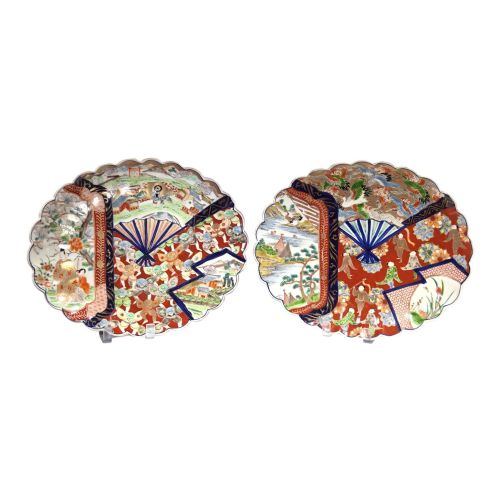
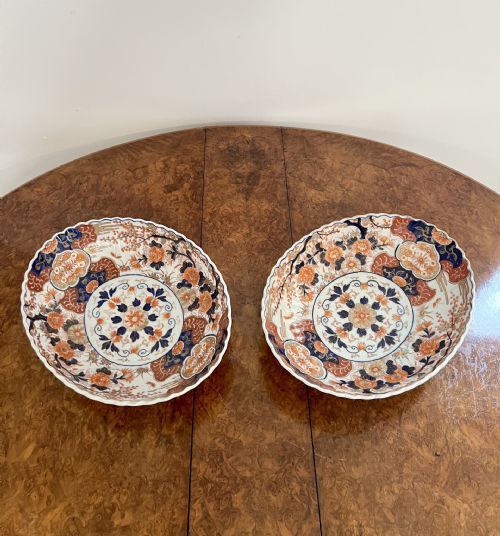
A decorative ceramic charger pair consists of matching large plates or wall plaques intended primarily for display rather than dining. When you search for a decorative ceramic charger pair, you encounter large porcelain and earthenware pieces originating from Japanese export kilns, Chinese imperial workshops, and European factories.
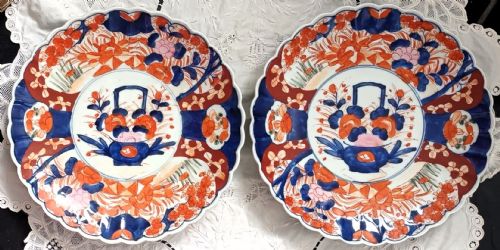
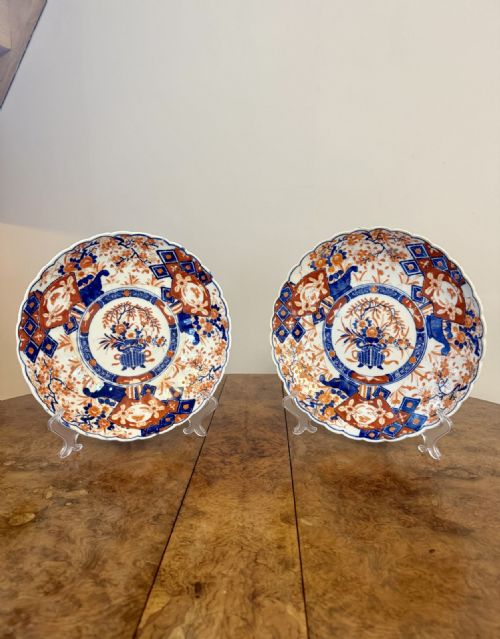
The selections span the eighteenth, nineteenth, and twentieth centuries, including Japanese Imari wares, Chinese porcelain, and English earthenware. Most pieces meet you through Japanese Arita and Imari designs featuring scalloped edges and intricate cobalt pigment or iron-red decoration.
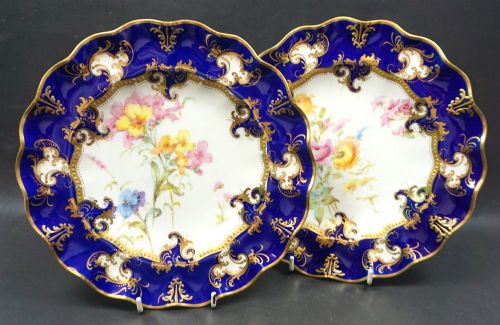
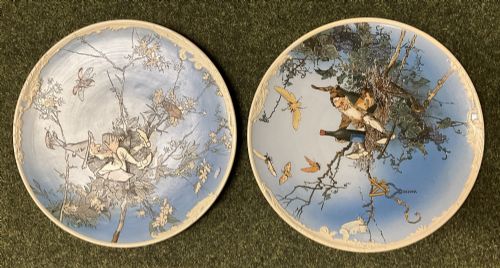
European interpretations from Minton, Royal Crown Derby, and Royal Worcester also appear alongside Mettlach plaques and maiolica. These items function as focal points in a room, traditionally hung on walls or set upon cabinetry.
Materials and production techniques
Potters shaped these large plates from refined ceramic pastes, porcelain bodies, and earthenware clays before firing them in kilns. Artisans then applied underglaze cobalt pigment, iron-red enamels, and surface gilding by hand.
Japanese and Chinese workshops utilised traditional hand-painting methods to build dense pictorial scenes featuring figures, floral motifs, and symbolic subjects. European makers combined moulded ceramic bodies with detailed transfer printing, hand-applied enamel colours, and gold leaf highlights.
Listings feature Japanese Meiji period porcelain alongside nineteenth-century English earthenware from Minton and Royal Crown Derby.
Distinctions in quality and execution
The finest examples display crispness in the hand-painted brushwork and precision in the alignment of complex cobalt and iron-red patterns. Superior pieces maintain rich, unrubbed gilding and depth in the enamel colours across both items in the matched set.
The weight of the ceramic body and the regularity of the kiln firing separate standard production from exceptional studio outputs. Balance in the symmetry of large scalloped rims and clarity of base marks indicate superior craftsmanship.
Royal Crown Derby·Royal Worcester·Minton·Mettlach·Fukagawa
The Decorative Ceramic Charger Pair Glossary
- Charger
- A large decorative plate traditionally used for ceremonial dining or wall display. These pieces exceed standard dinner plate dimensions.
- Imari
- A traditional Japanese style of porcelain decorated in underglaze blue, iron-red, and gold. This palette originated in Arita and heavily influenced European potteries.
- Earthenware
- Porous pottery fired at lower temperatures than porcelain. Makers glaze the surface to ensure it holds form and colour.
- Cobalt Pigment
- A deep blue mineral colour applied beneath the glaze before high-temperature firing. It withstands intense heat without losing its hue.
- Maiolica
- Tin-glazed earthenware decorated with opaque colourful glazes. This technique flourished across European pottery traditions.
Decorative Ceramic Charger Pair: Frequently Asked Questions
How do I hang a heavy charger safely?
Use spring-loaded brass wall hangers sized specifically for the diameter and weight of the ceramic piece. Ensure the wall fixing secures firmly into masonry or studwork rather than plaster alone.
Inspect the wire or tension springs periodically to guarantee the plate stays secure against the wall surface.
Were these chargers meant for dining?
Most large chargers and wall plaques served decorative display functions in formal dining rooms and reception spaces. Their generous size and delicate surface gilding made them unsuited for daily practical service.
Some smaller matching plates in a set saw occasional use on sideboards, but the largest chargers remained strictly ornamental.
How do I clean antique ceramic chargers?
Dust the surface gently with a soft, dry ostrich feather duster or microfiber cloth to remove everyday particles. Avoid water, harsh chemical cleaners, and abrasive cloths, which damage delicate gold leaf and enamel.
Professional restoration specialists should handle any deep cleaning if surface grime obscures the painted details.
How do I tell Japanese Imari from European copies?
Examine the paste body through the unglazed foot ring to check for the fine, vitrified grain characteristic of Japanese porcelain. European earthenware and soft-paste copies often display a coarser grain and different weight.
Study the brushwork closely, as Japanese export pieces show fluid, confident strokes in the cobalt and iron-red pigments compared to European transfer-printed outlines.