






Cobalt Blue Wall Chargers
Cobalt blue wall chargers are large decorative earthenware and porcelain plates designed for display, bringing deep blue pigment and historical design into a room.
Cobalt Blue Wall Chargers
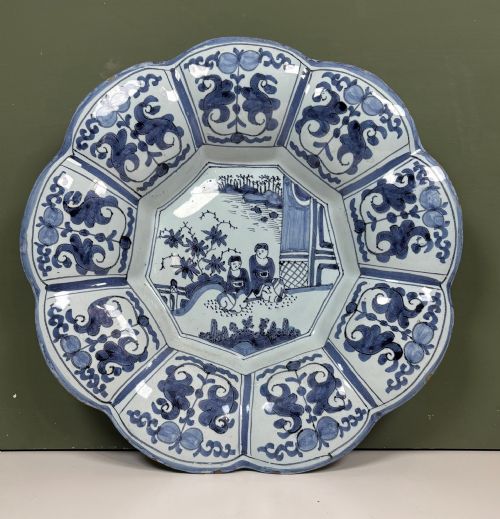
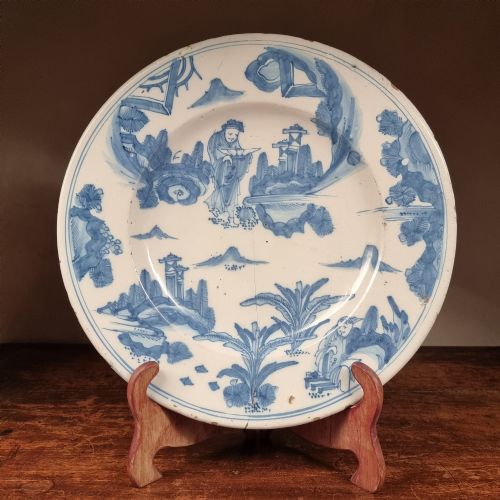
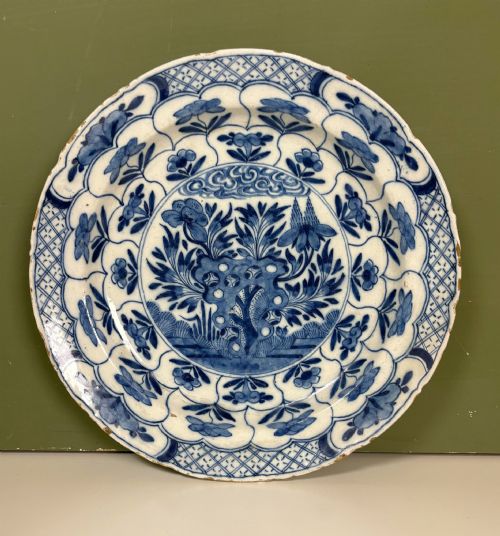
Cobalt blue wall chargers span several centuries of ceramic production, encompassing European delftware and Asian export porcelain. When searching for cobalt blue wall chargers, buyers encounter heavy tin-glazed earthenware from the seventeenth and eighteenth centuries alongside intricate Japanese Imari pieces from the Meiji period.
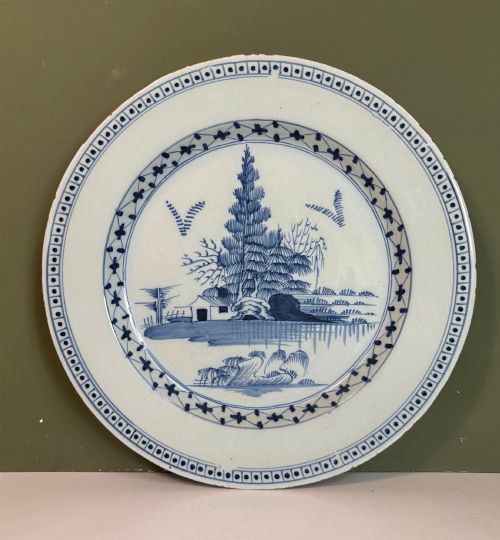
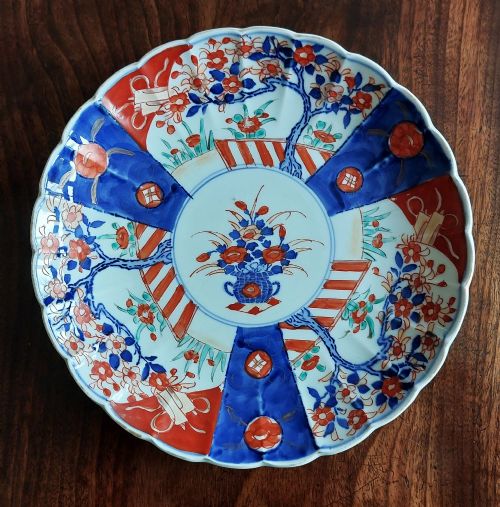
The domestic selection on this page leans heavily toward Japanese Imari chargers and Dutch or English delft dishes. These items were originally made for dining or display, though surviving examples are frequently pierced or mounted for wall hanging.
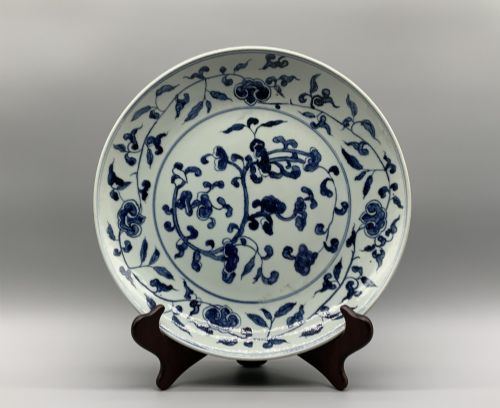
Originating from diverse workshops across Europe and Asia, these plates bridge different traditions of blue and white painting. From Chinese Kangxi period porcelain to nineteenth-century continental faience, each piece reflects the specific aesthetic of its origin.
How They Were Made
Makers utilised cobalt pigment beneath or within the glaze to achieve the characteristic deep blue hue on porcelain and earthenware bodies. Tin glaze provided an opaque white surface on delftware, allowing the blue pigment to sit crisp and distinct before firing.
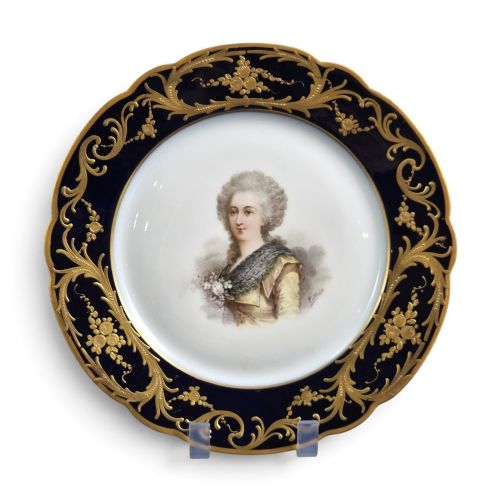
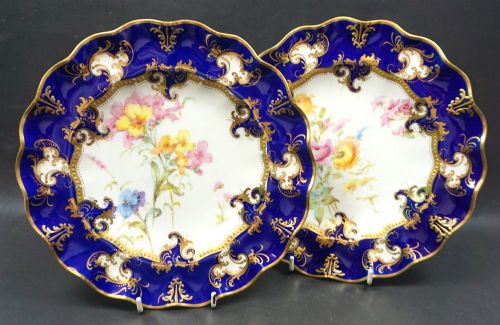
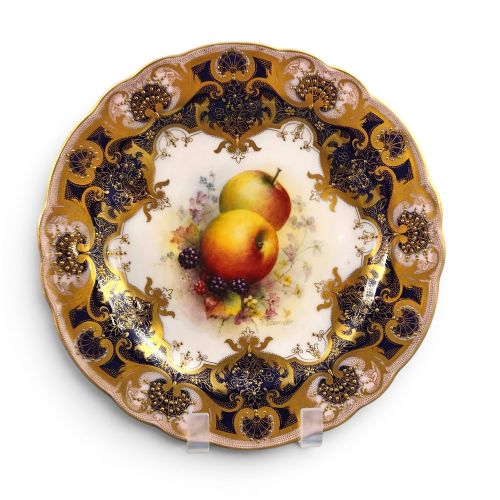
Firing techniques evolved from traditional wood-fired kilns in seventeenth-century China and Japan to more controlled industrial kilns in nineteenth-century Europe. Gilding and enamel highlights were frequently added over the glaze on later porcelain cabinet plates.
The shaping of large chargers required skilled throwing on a potter's wheel or pressing into moulds, particularly for heavy earthenware plates that risked warping during high-temperature firing.
Materials recorded across the inventory include tin glaze, cobalt pigment, ironstone, and gold leaf.
What Varies in Quality
The crispness and depth of the cobalt painting set exceptional chargers apart from standard production. Finer pieces display confident brushwork and rich tonal variation in the blue pigment, whereas lesser examples appear flat or muddy.
The condition of the glaze and the stability of the ceramic body dictate the overall integrity of the piece. Superior specimens retain smooth, glossy surfaces with minimal kiln disruption and well-preserved painted details.
Royal Crown Derby·Royal Worcester·John Davenport of Longport
The Cobalt Blue Wall Chargers Glossary
- Charger
- A large decorative or ceremonial plate, typically measuring over twelve inches in diameter. These substantial pieces were primarily intended for display on walls or sideboards rather than everyday dining.
- Delftware
- Tin-glazed earthenware produced in the Netherlands and England, particularly during the seventeenth and eighteenth centuries. It is characterised by a white opaque glaze painted with cobalt blue motifs inspired by imported Chinese porcelain.
- Imari
- A style of Japanese export porcelain originating from Arita, traditionally featuring a palette of cobalt blue, iron red, and gold. These pieces often display dense floral and brocade patterns.
- Tin Glaze
- A ceramic glaze made opaque by the addition of tin oxide, providing a smooth white background for painted decoration. It is characteristic of European delft and faience.
- Kangxi Period
- An era of Chinese imperial history spanning the late seventeenth and early eighteenth centuries, noted for the exceptional quality of its blue and white porcelain export wares.
Cobalt Blue Wall Chargers: Frequently Asked Questions
How do I hang a heavy antique charger safely?
Displaying large plates requires specialist spring-loaded wall hangers that distribute the weight evenly across the rim without putting stress on the ceramic body. Ensure the fixing is secured directly into wall studs or uses appropriate masonry plugs.
Avoid wire or adhesive disk hangers, particularly on heavier earthenware and delft pieces where the fabric may be prone to historical weakness or crazing.
Were these chargers originally meant for food?
Many large chargers served formal dining functions as presentation platters or service dishes during grand feasts. As tastes changed, owners transferred them to walls and cabinets for visual display.
Earlier tin-glazed earthenware pieces often show surface wear consistent with functional use, while many nineteenth-century Japanese Imari chargers were manufactured specifically for the export ornament market.
How do I tell Dutch delft from English delft?
Distinguishing between Dutch and English delft requires close inspection of the clay body, glaze tone, and foot rim. Dutch pieces often feature a slightly pinkish or buff earthenware body with a very bright tin glaze.
English delft tends to have a softer, more porous body and frequently incorporates local stylistic quirks in the cobalt painting, though considerable overlap exists between the two traditions.
What is the difference between Imari and blue and white porcelain?
While standard blue and white porcelain relies exclusively on cobalt oxide under the glaze, traditional Imari incorporates iron red and gold highlights applied over the glaze. This creates a much richer, multi-coloured palette.
Imari pieces also frequently feature densely packed panels of brocade patterns, flowers, and landscapes, contrasting with the more restrained brushwork found on traditional blue and white export wares.