




Decorative Ceramic Wall Plaque
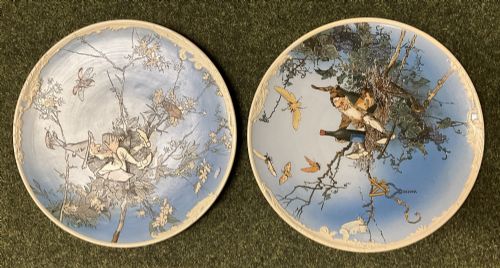
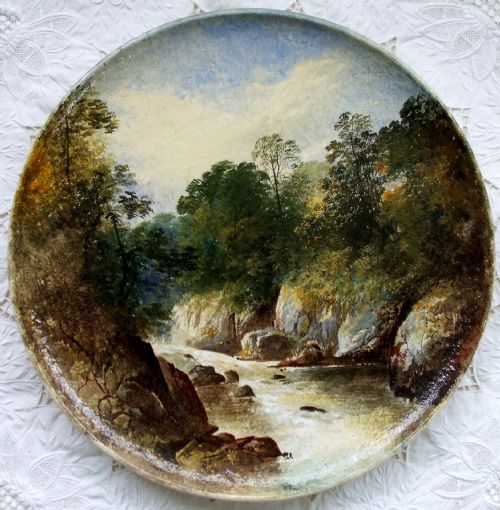
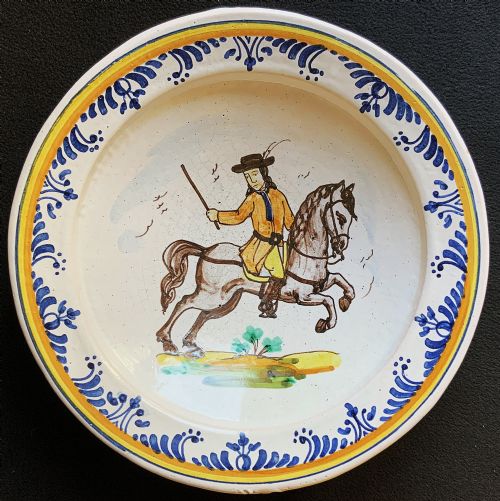
These decorative ceramic wall plaque pieces bring hand-painted narrative scenes and rich glazes straight to your interior walls.
Decorative Ceramic Wall Plaque
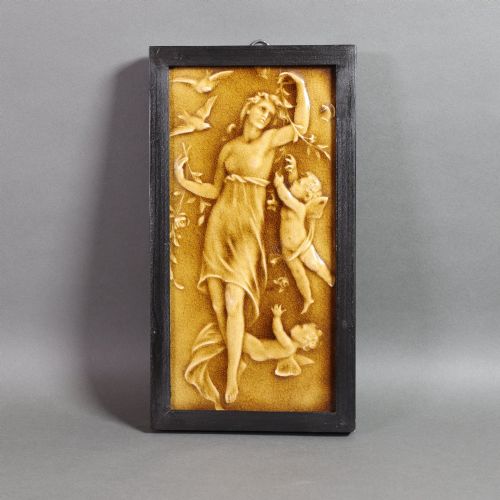
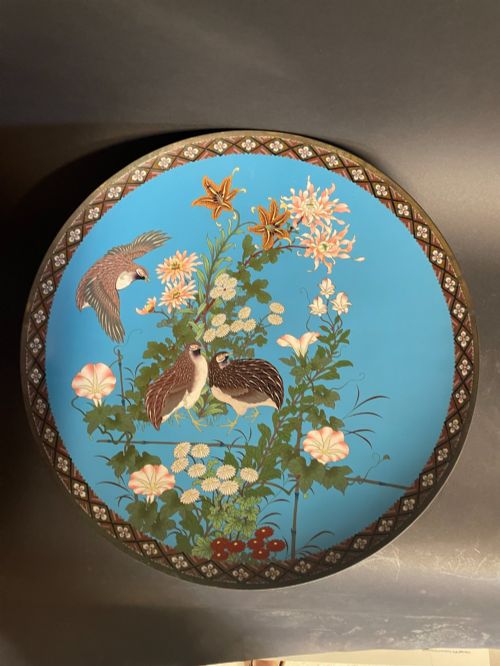
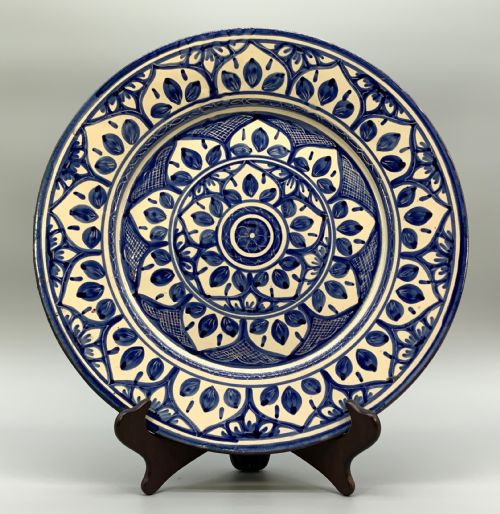
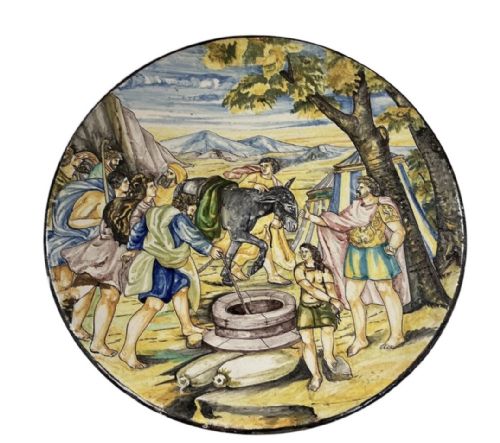
A decorative ceramic wall plaque brings historical narrative, landscape art, and intricate ornamentation directly into domestic spaces. When you search for a decorative ceramic wall plaque, you encounter pieces that span centuries, originating from English potteries, Austrian kilns, and Japanese workshops.
The selections available here lean heavily toward large chargers, framed tiles, and hand-painted porcelain plates designed specifically for display. Examples range from Victorian earthenware landscapes to classical Italian maiolica and detailed Vienna porcelain history scenes.
Makers utilised various traditional forms, including round chargers and rectangular panels, often mounting them securely for hanging. These objects served as focal points in period rooms, combining pictorial artistry with ceramic craft.
Materials and Techniques
Potters shaped these objects using earthenware, terracotta, and hard-paste porcelain before applying tin glazes, enamel, or gold leaf accents. Many items demonstrate specialised techniques like pate-sur-pate, where raised white slip builds sculptural designs onto a darker background.
Painting and firing required immense skill, particularly for large chargers that risked warping in the kiln. Artisans applied polychrome pigments by hand, sometimes incorporating cloisonne wirework or lacquered elements directly onto the ceramic or porcelain body.
Listings feature items spanning from the 18th century through the 1920s, utilising porcelain, earthenware, and terracotta materials.
Assessing Quality
Quality rests upon the precision of the hand-painted detail and the ambition of the composition. Master painters executed complex historical, mythological, or botanical scenes with exceptional nuance, whereas simpler pieces rely on standard transfer prints or repetitive patterns.
The weight, throwing, and firing stability of large porcelain and earthenware bodies also dictate worth. Superior examples maintain flat, even surfaces without kiln distortion, preserving the crispness of relief modeling and the vibrancy of the glaze.
Copeland Pottery·Ernst Wahliss·Sherwin and Cotton·Mintons·Royal Vienna
The Decorative Ceramic Wall Plaque Glossary
- Charger
- A large decorative plate traditionally intended for display on a wall or sideboard rather than for dining use. These items provide a wide canvas for intricate narrative painting.
- Maiolica
- Tin-glazed earthenware produced in Italy, known for vibrant polychrome painting and historical scenes. Artisans painted directly onto an unfired white glaze.
- Pate-sur-pate
- A ceramic technique involving the successive layering of liquid clay slip to build up a translucent, cameo-like relief design. This painstaking method creates striking contrast against a coloured slip ground.
- Imari
- Japanese porcelain decorated in underglaze blue and overglaze iron red, gold, and secondary colours. Export wares became immensely popular across European interiors.
- Faience
- European tin-glazed earthenware, particularly associated with French, Dutch, and Spanish potteries. The opaque white glaze accepts detailed hand-painted pigments readily.
Decorative Ceramic Wall Plaque: Frequently Asked Questions
How were these wall plaques displayed historically?
Historically, large chargers and plaques hung on walls using specialised wire hangers or sat upright on sideboards and buffets. Wealthy homeowners used them to display artistic taste and narrative wealth in formal reception rooms.
Today, hanging them requires sturdy picture wire and proper wall anchors given the substantial weight of dense ceramics and porcelain.
What is the difference between earthenware and porcelain plaques?
Earthenware uses porous clay fired at lower temperatures, often finished with an opaque tin glaze to hide the darker body underneath. Porcelain utilises refined kaolin clay fired at extremely high temperatures, resulting in a dense, vitrified, white material.
Porcelain allowed artists to achieve finer detail and a more luminous surface for classical and historical paintings.
How do I identify the period of a ceramic plaque?
Dating relies on maker marks, impressed registration numbers, potting styles, and the specific palette of the pigments used. Victorian and 19th-century pieces often feature specific factory stamps or artist signatures on the reverse.
Stylistic cues, such as the flat perspectives of Japanese Imari or the distinct moulded relief of Art Nouveau designs, also help narrow down the decade of creation.