
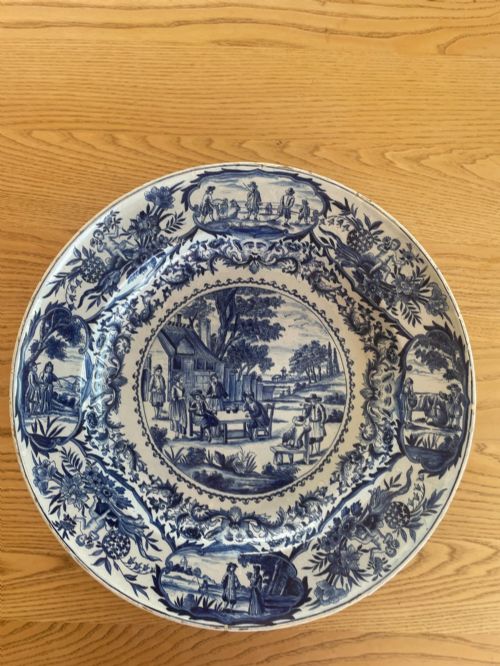
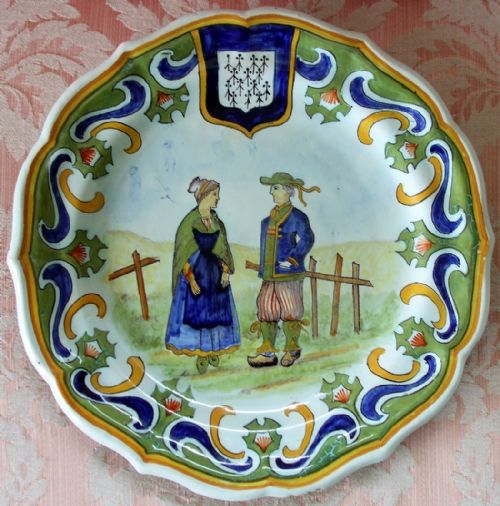
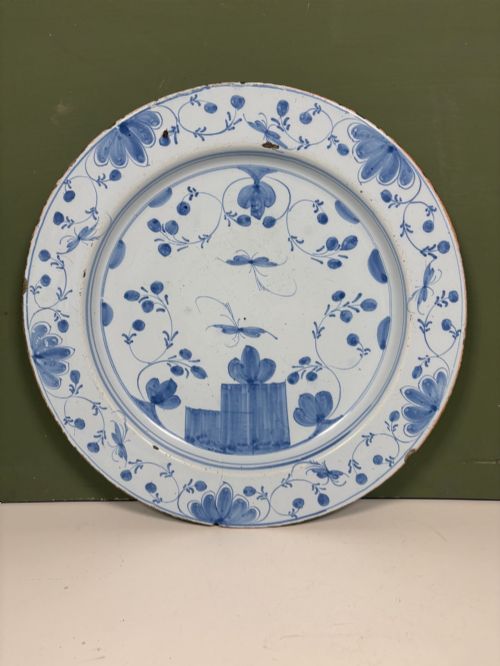


Vintage Faience Wall Plate
A vintage faience wall plate brings tin-glazed earthenware into the home, offering hand-painted blue and white or polychrome decoration that transforms a plain wall.
Vintage Faience Wall Plate
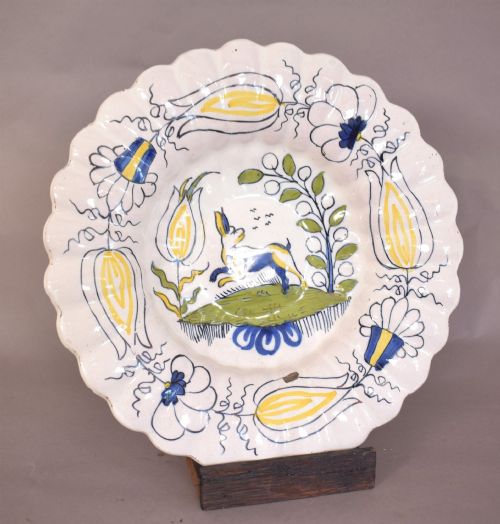
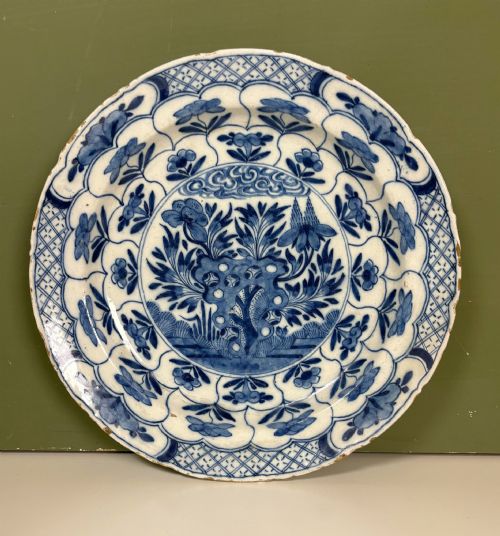
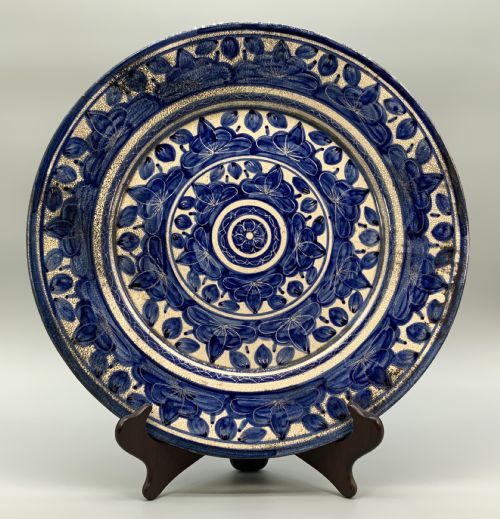
A vintage faience wall plate spans forms such as decorative chargers, wall plaques, and large dishes designed primarily for display rather than dining. The selection draws on examples from the seventeenth century through to the mid-twentieth century, capturing centuries of ceramic tradition.
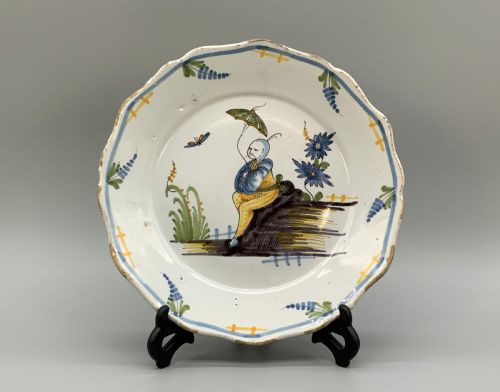
Most pieces seen here originate from Dutch, French, and Continental workshops, with styles ranging from Dutch Delftware and French Provincial to Moorish and folk art designs. Buyers frequently encounter eighteenth-century chargers alongside later nineteenth-century polychrome plates and twentieth-century regional pieces.
These items serve as striking focal points in traditional and eclectic interiors alike, offering tangible connections to historic glazing and painting techniques. Each plate reflects the specific regional palette of its maker, from classic cobalt blue to manganese and yellow hues.
How they were made
Makers shaped earthenware bodies from local clays, forming chargers and plates by hand or on a wheel before applying an opaque tin glaze. This tin-glaze ground created a smooth, white surface capable of holding pigments without running during the firing process.
Painters applied cobalt pigment, manganese, and yellow oxides directly onto the raw, absorbent glaze, relying on swift and confident brushwork. Subsequent kiln firings fused the metal oxides into the glaze, locking in the characteristic depth and sheen of traditional faience.
Old plate repairers once used copper staples to stitch broken chargers back together, turning clumsy kitchen disasters into treasured badges of survival.
What varies in quality
Quality rests in the crispness of the hand-painted brushwork and the complexity of the design, distinguishing hurried regional output from masterwork production. Finer plates display controlled lines and balanced compositions, whether depicting intricate Chinoiserie scenes or bold floral motifs.
The smoothness and opacity of the tin glaze also determine a piece's visual success, with superior examples exhibiting an even, luminous surface free from heavy clouding or excessive kiln blemishes. Weight, proportion, and the depth of the pigment integration complete the measure of a finer plate.
Bassano pottery works·Desvres French Faience·Quimper French Faience·Lille French Faience
The Vintage Faience Wall Plate Glossary
- Faience
- Tin-glazed earthenware produced in Europe, particularly in France and other Continental regions, known for its opaque white surface and painted decoration. The term encompasses a broad range of decorative wares made from the seventeenth century onwards.
- Tin Glaze
- A lead glaze rendered opaque by the addition of tin oxide, providing a white background for ceramic painters. This technique originated in the Middle East before spreading through Moorish influence to Spain, Italy, and northern Europe.
- Charger
- A large decorative plate traditionally used for display on a sideboard or wall rather than for serving food. These substantial pieces often feature the most elaborate painted scenes in a maker's repertoire.
- Polychrome
- Decoration employing multiple colours rather than a restricted palette like blue and white. In faience, this typically includes touches of yellow, manganese purple, green, and orange applied over the tin glaze.
- Cobalt Pigment
- A metallic oxide used to achieve the deep blue colour seen in traditional Delftware and related wares. It remains stable at high kiln temperatures, allowing for sharp, enduring designs.
Vintage Faience Wall Plate: Frequently Asked Questions
How do I hang a heavy charger safely?
Use a specialised wire wall plate hanger that distributes the weight evenly across the rim without putting pressure on the centre. Ensure the fixing in the wall is secured firmly into a stud or uses a proper wall anchor.
Avoid spring-loaded hangers with excessively tight grips that might stress the earthenware body. Check the security of the wire periodically to keep the plate safe.
How do I tell Dutch Delft from French faience?
Dutch Delft traditionally favors cobalt blue and white designs inspired by Chinese porcelain, alongside characteristic geometric or floral borders. The clay body tends to be slightly lighter and the glaze formulation distinctive to Netherlandish kilns.
French faience from centres like Quimper or Desvres often incorporates richer polychrome palettes, including manganese, yellow, and green. Regional motifs, such as figures in local costume, help identify the French provincial origin.
Are these plates meant for daily dining?
These pieces are intended purely for decorative display rather than practical use at the table. Tin-glazed earthenware has a softer body than modern ceramics and can easily chip or absorb liquids through glaze wear.
Treating them as wall art or cabinet pieces preserves the historical glaze and painted surface. Displaying them away from direct heat sources protects the fragile earthenware body.