
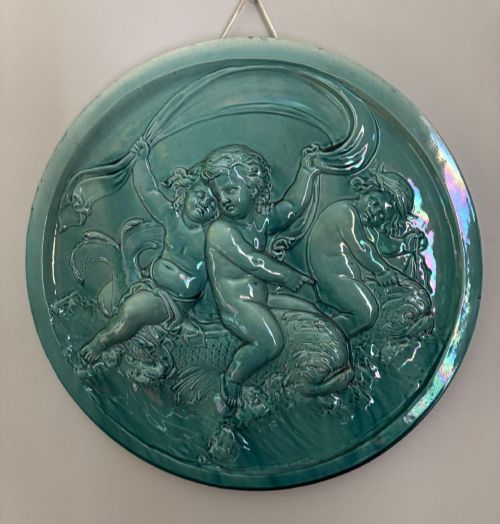
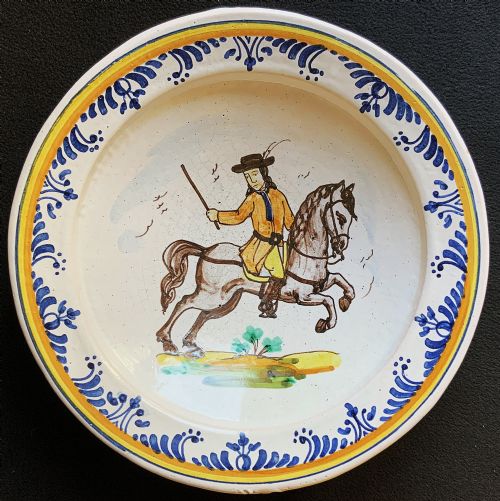


Antique Majolica Charger
These antique majolica chargers are substantial decorative wall plaques and plates offering vibrant painted scenes and rich tin-glazed earthenwares.
Antique Majolica Charger
An antique majolica charger is a broad, shallow earthenware plate intended primarily for display on walls or surfaces rather than table service. When you search for antique majolica charger, you encounter pieces spanning several centuries, from early continental wares to later revival forms.
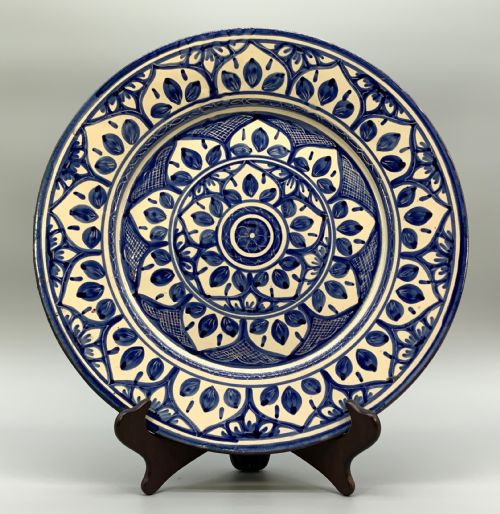
Stylistic influences vary significantly across the inventory, encompassing Renaissance Revival, Moorish Revival, and French Art Nouveau alongside traditional folk art and classical historical scenes.
How they were made
Makers formed these chargers from earthenware or ceramic bodies, applying an opaque tin glaze to create a smooth surface for painting. Artisans then used coloured pigments directly on the unfired or fired glaze.
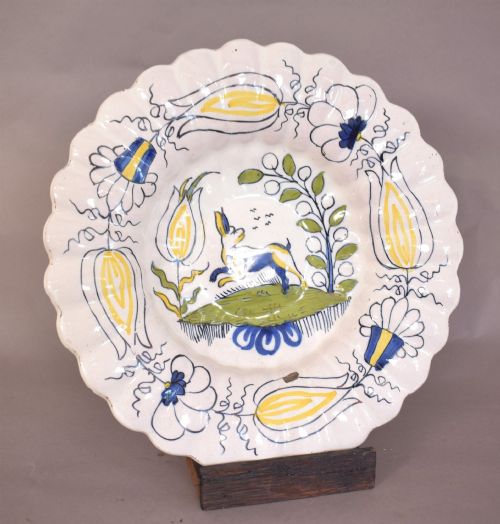
Firing techniques fixed the polychrome designs, capturing intricate details such as floral motifs, animal subjects, and historical narratives. Many examples rely on hand-painted execution across large surface areas.
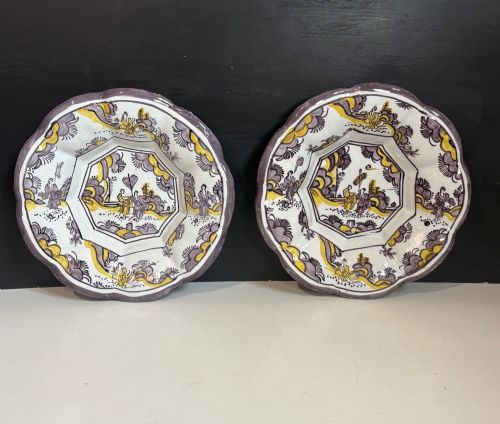
Listings incorporate nineteenth-century examples alongside eighteenth-century Spanish and Dutch specimens, demonstrating diverse regional interpretations of tin-glazed earthenware.
What varies in quality
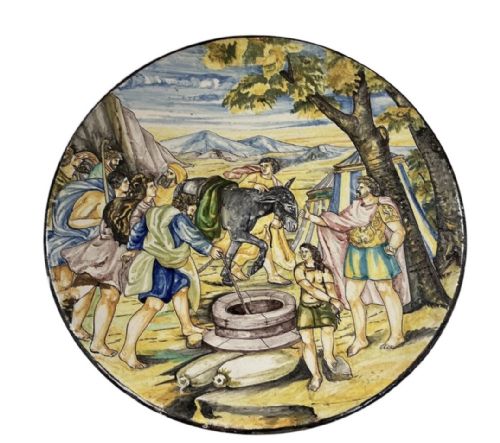
The distinction between standard and exceptional pieces rests upon the ambition of the painted decoration. Elaborate figurative narratives, such as classical historical scenes in the Pesaro or Urbino styles, demonstrate a higher degree of artistic skill than simple geometric or repeating patterns.
Control over the pigment application and the depth of the tin glaze also differentiate the output of various workshops. Finer examples display precise brushwork and harmonious colour palettes across wide platter surfaces.
Clement Messier·Bassano pottery works·Jose Alvez Cunah
The Antique Majolica Charger Glossary
- Majolica
- A type of earthenware decorated with an opaque tin glaze and painted with coloured pigments. This technique produces vibrant, glossy surfaces suitable for pictorial wall chargers.
- Tin Glaze
- A lead glaze made white and opaque by the addition of tin oxide. It provides the foundational background for painting on European faience and delftware.
- Charger
- A large decorative plate or platter traditionally used for display or ceremonial service. In antique contexts, these large-format pieces often feature hanging provisions or substantial rims.
- Istoriato
- A style of ceramic decoration featuring narrative scenes derived from history, mythology, or literature. It appears on sophisticated Italian maiolica platters.
- Faience
- European tin-glazed earthenware produced in various countries, including France, Spain, and the Netherlands. The term encompasses diverse regional styles from the eighteenth century and earlier.
Antique Majolica Charger: Frequently Asked Questions
How do I hang a heavy charger?
Large chargers require robust, purpose-built wall fixings that distribute the weight securely across the base and rim. Adjustable brass wire hangers with rubber-coated grips are standard for displaying these heavy earthenware pieces safely.
Ensure the wall anchor corresponds to the weight of the ceramic platter and verify that the hanging wire remains secure before committing the piece to permanent display.
Can I use these chargers for food?
Antique tin-glazed chargers are intended for decorative display rather than daily dining use. The historic ceramic bodies and glazes are susceptible to surface wear from utensils and moisture.
Furthermore, older glazes can contain components unsuited for modern food contact, making visual appreciation the appropriate mode of interaction.
How do I clean an antique tin-glazed dish?
Dusting with a dry, soft microfibre cloth is the safest method for routine maintenance. Avoid submerging porous earthenware in water or using harsh chemical cleaning solutions.
Moisture can penetrate historic ceramic bodies through tiny glaze fissures, potentially causing staining or further degradation of the pigment.
What is the difference between delft and majolica?
While both utilise tin-glazed earthenware bodies, delft generally refers to wares produced in the Netherlands and England, frequently associated with blue and white palettes. Majolica more commonly describes Italian, Spanish, and later nineteenth-century polychrome wares.
Regional painting techniques and colour choices help distinguish between these overlapping ceramic traditions.
How do I date an 18th-century charger?
Dating relies on examining the characteristics of the earthenware body, the hue and texture of the tin glaze, and the pigment style. Stylistic markers such as naive floral borders or specific regional motifs point toward particular decades.
Comparing foot rims and glaze pooling on the reverse provides additional clues regarding the period of manufacture.