


English Transfer Printed Pottery
English transfer printed pottery brings together domestic earthenware and crisp copper-plate engravings, offering collectors rich historical scenes captured in cobalt and monochrome.
English Transfer Printed Pottery
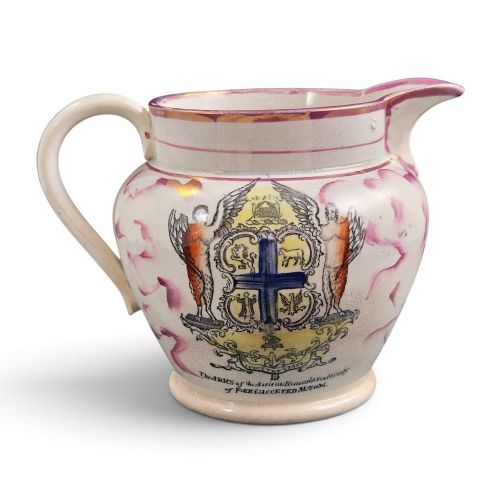
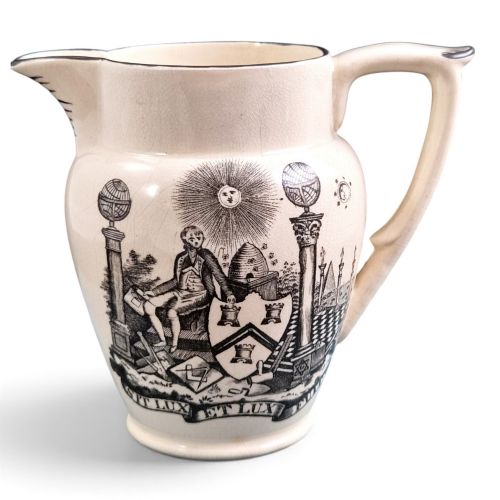
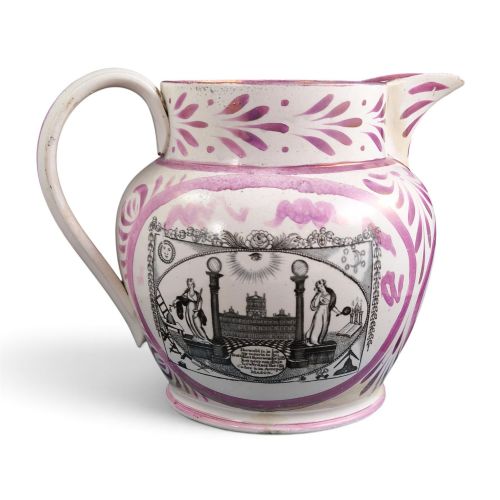
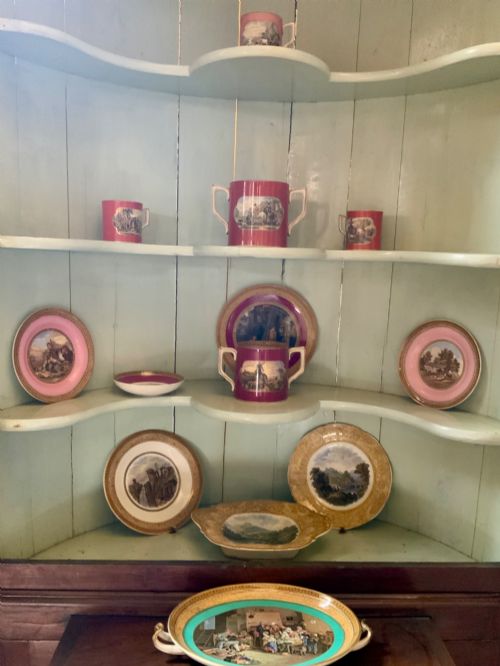
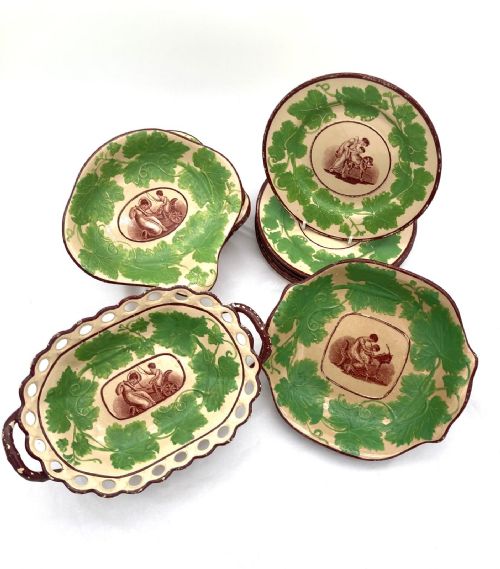
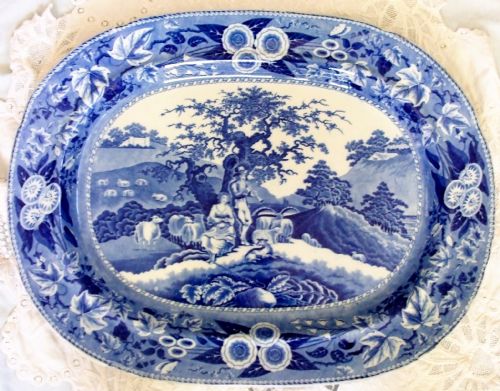
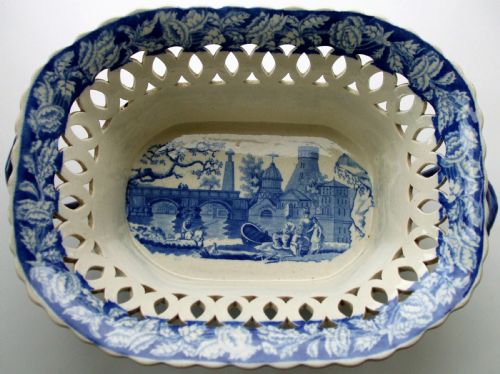
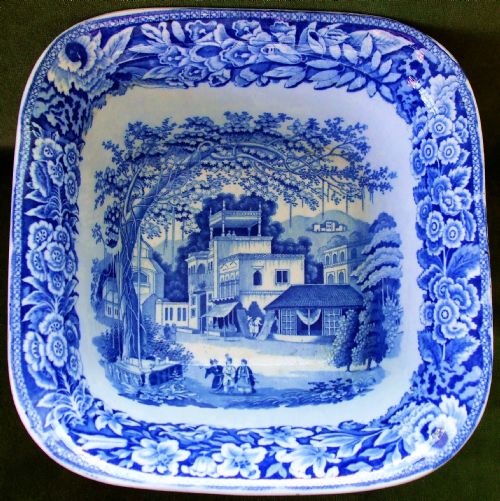
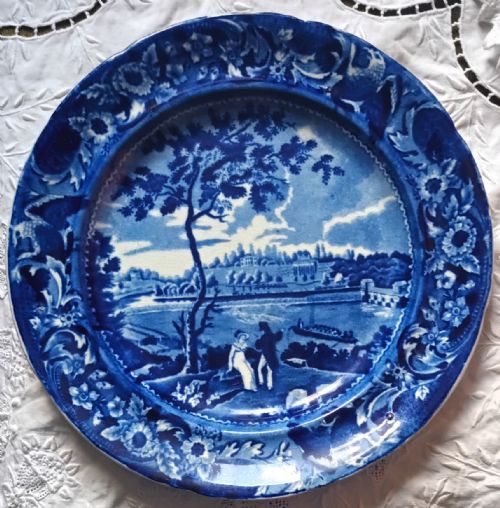
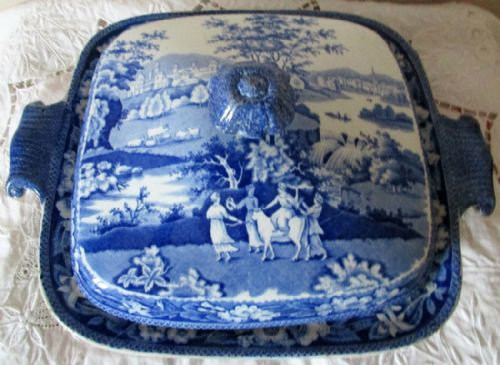
When you search for english transfer printed pottery, you encounter a varied assortment of domestic items spanning the Georgian and Victorian eras. The selection on this page focuses heavily on tablewares such as decorative plates, serving platters, vegetable tureens, and large commemorative jugs.
Makers produced these ceramics in Staffordshire and northern potteries, applying copperplate prints to earthenware, creamware, and pearlware bodies. You will frequently find classical ruins, maritime themes, and topographical views transferred onto the clay before glazing.
Materials and Techniques
Potters formed these items from earthenware, creamware, or pearlware, preparing a porous ceramic body suited for absorbing the liquid glaze. Artisans engraved copper plates with detailed pictorial scenes, inked them with pigments such as cobalt, and transferred the design onto tissue paper.
The paper was pressed onto the biscuit fired clay to leave the ink impression, after which workers washed away the paper and applied a transparent ceramic glaze. Firing the piece in a kiln fused the metallic oxides into the glaze, creating a durable and permanent surface decoration.
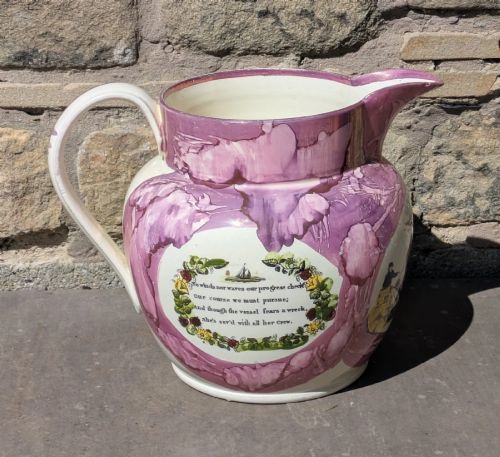
Potters included poetry panels and sailors' arms on jugs, ensuring your morning water came with a verse.
Quality and Execution
The clarity of the copperplate transfer defines the visual success of the piece, separating crisp, detailed impressions from smudged or blurred prints. Fine examples maintain registration accuracy across complex curves, ensuring the printed borders and central vignettes align without overlapping or breaking.
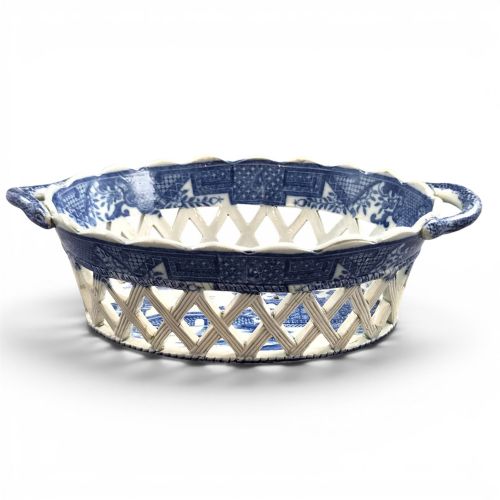
The throwing and moulding of the ceramic body itself dictates the overall elegance, seen in the reticulation work on chestnut baskets and the symmetry of tureens. Superior items combine a smooth, even pearlware or earthenware glaze with deep, saturated pigment tones that sit evenly on the surface.
Spode·J. & R. Clews·J. & R. Riley·Stubbs·Thomas Lakin·Brameld & Co.·Mason·John Rogers & Son·James Wallace & Co.
The English Transfer Printed Pottery Glossary
- Pearlware
- A refined earthenware developed by Josiah Wedgwood that featured a bluish tinted glaze to mimic Chinese porcelain. This body was widely adopted for transfer printing in the late Georgian period.
- Transfer printing
- A mechanical decoration method where an engraved copper plate transfers a printed design onto ceramic ware via tissue paper. It revolutionised pottery production by allowing intricate pictorial patterns to be applied rapidly.
- Creamware
- A light coloured refined earthenware perfected in Staffordshire during the eighteenth century with a warm yellow toned glaze. It served as a primary canvas for early transfer printed tablewares.
- Lustre
- A metallic ceramic finish applied over the glaze to produce a reflective copper, pink, or silver sheen. Makers often combined pink lustre washes with transfer printed maritime subjects on Sunderland jugs.
- Reticulation
- An openwork pierced lattice pattern cut into the rim of baskets and chestnut dishes. Artisans shaped these decorative cutouts while the clay was damp before glazing and firing.
English Transfer Printed Pottery: Frequently Asked Questions
What is english transfer printed pottery?
These items are ceramic vessels and tablewares decorated by pressing copper-plate engravings onto the clay surface using metallic pigments.
Potters produced them in large quantities across the Georgian and Victorian eras, recording landscapes, historical events, and literary scenes.
How were these ceramic items used?
Households used these wares for daily dining, serving courses from tureens, and displaying desserts on specialised plates and stands.
Large jugs and punch bowls served communal drinks at gatherings, while commemorative pieces often marked maritime voyages or political events.
How do I date these ceramics?
You can estimate the period by examining the ceramic body, noting the transition from creamware to pearlware and later heavier ironstone bodies.
Maker's marks, pattern names printed on the reverse, and the chemical tone of the cobalt pigment also help narrow the decade of production.
How do I care for antique pottery?
Wash these pieces gently by hand in warm water using mild soap, avoiding modern dishwashers that can craze old glazes.
Store them securely on stable shelving away from rapid temperature shifts to protect the historic ceramic body and surface finish.