

18th Century Earthenware Plate
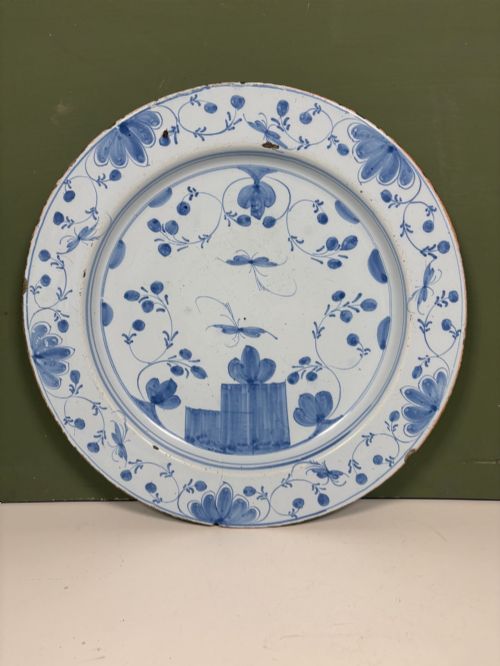
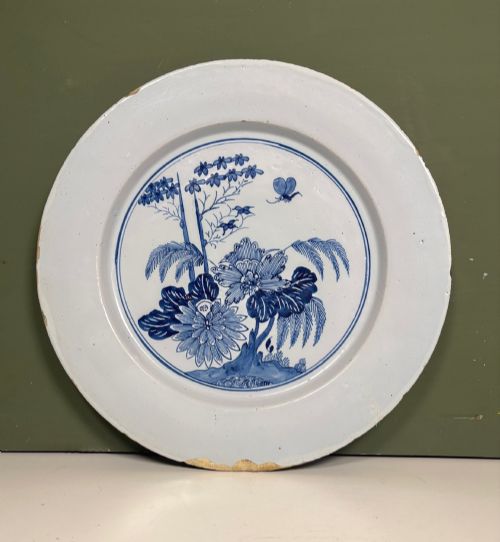
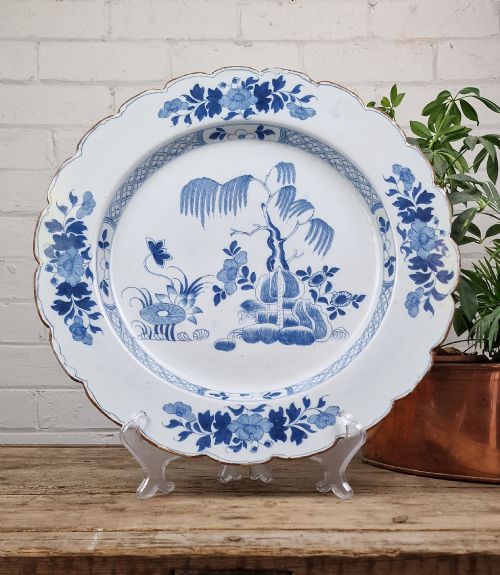
An 18th century earthenware plate brings tangible domestic history to a table, prized for tin-glazed surfaces and hand-painted blue and white or polychrome scenes.
18th Century Earthenware Plate
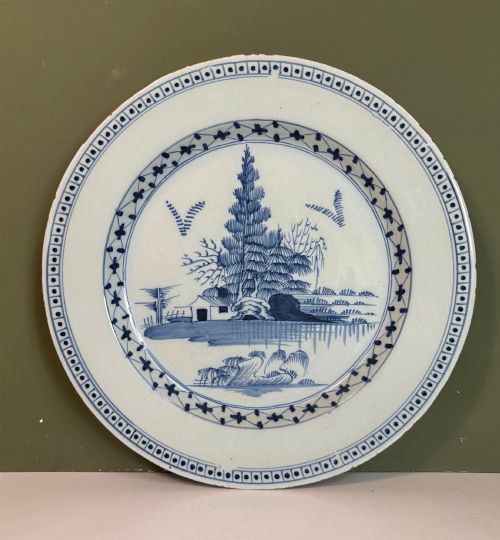
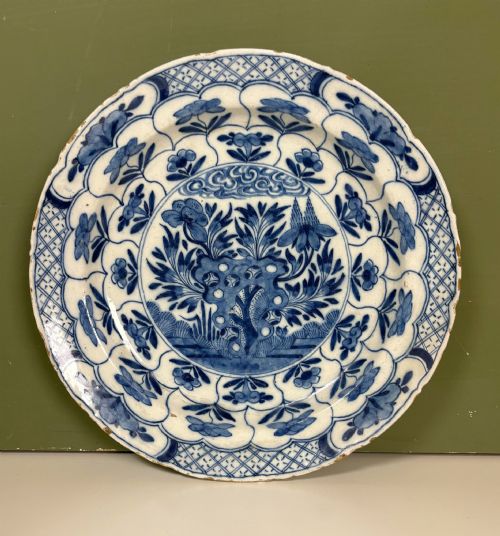
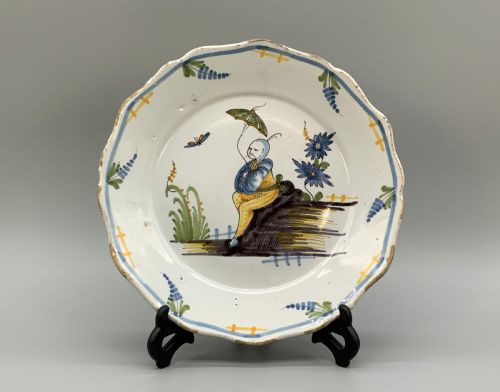
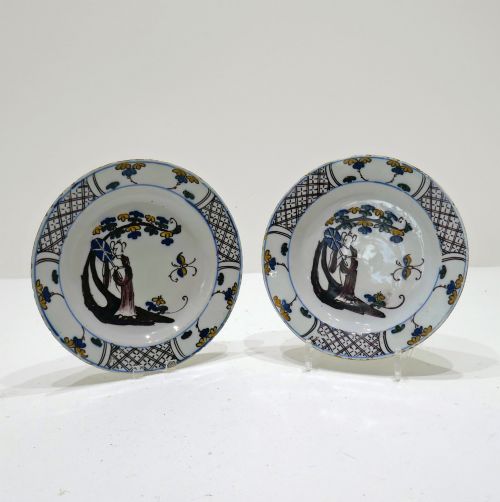
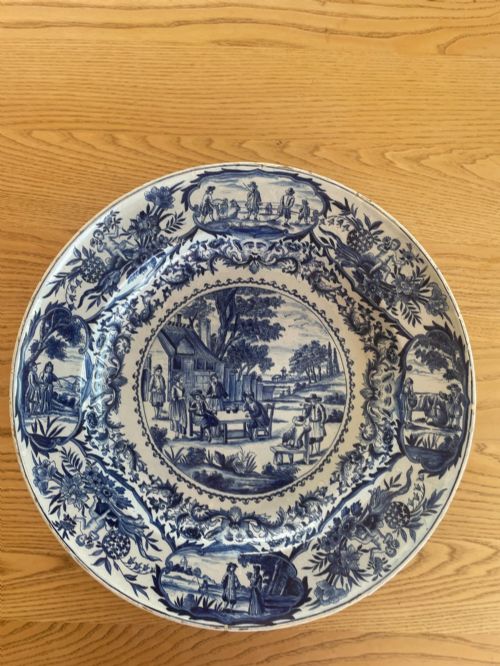
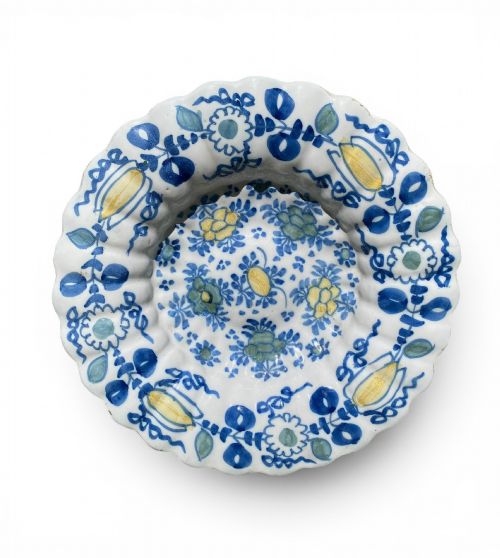
An 18th century earthenware plate encompasses domestic tableware produced across English, Dutch, Spanish, and French potteries during the Georgian era. Buyers frequently encounter tin-glazed dishes and large chargers designed both for utilitarian use and display.
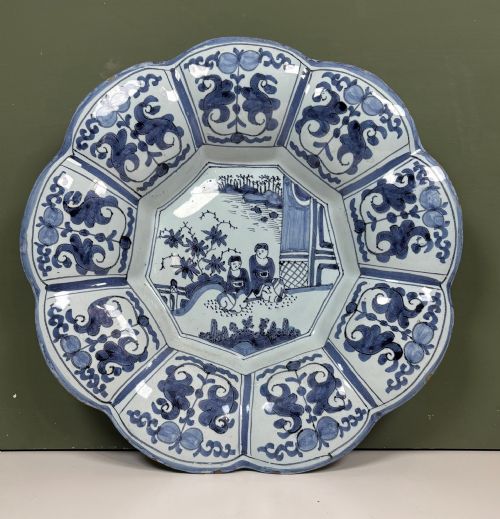
The selection ranges from smaller dining plates to expansive chargers featuring geometric floral patterns, armorial motifs, and Chinoiserie scenes. Pieces span production centres from Bristol and Lambeth to continental workshops in Delft and beyond.
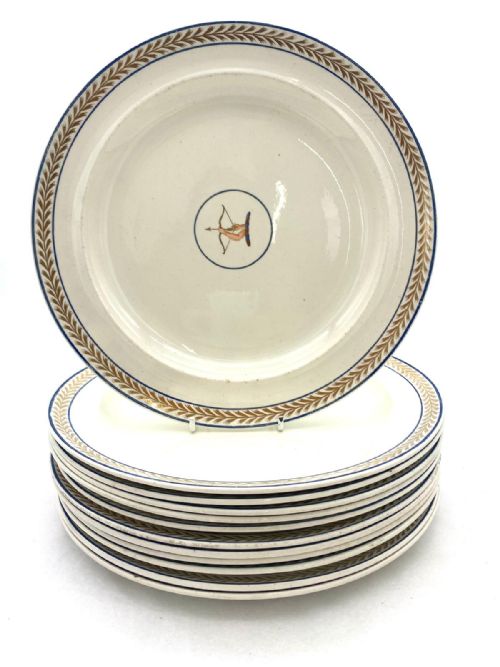
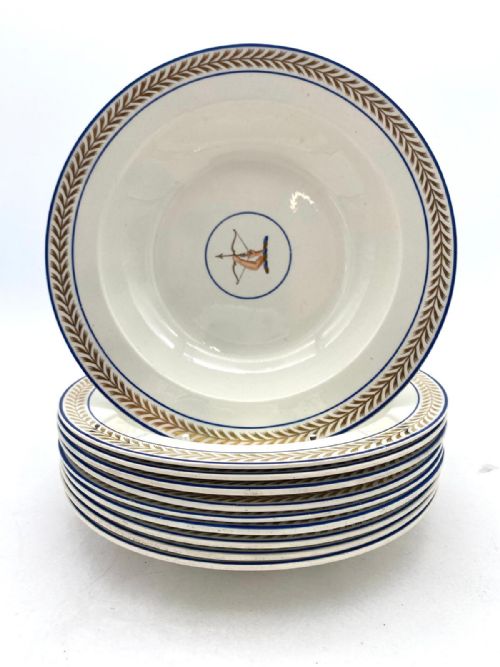
Makers such as Wedgwood also contribute creamware plates and pudding bowls from the latter decades of the century. Most items bear the characteristic glaze finishes and hand-applied pigments typical of ceramic production from the period.
How they were made
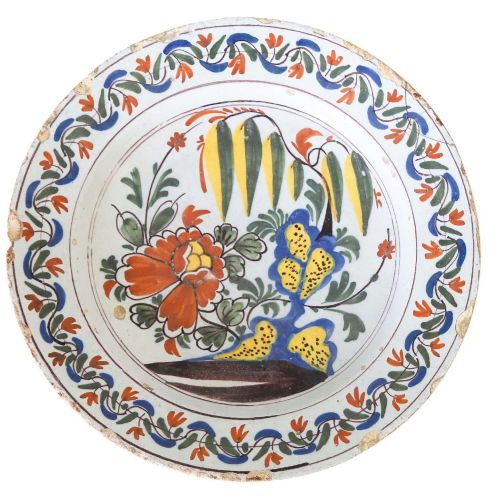
Potters shaped local clays into plates and chargers before applying a tin-glaze that dried to an opaque white surface. Artisans painted directly onto this porous ground using cobalt pigment, manganese, and enamel colours.
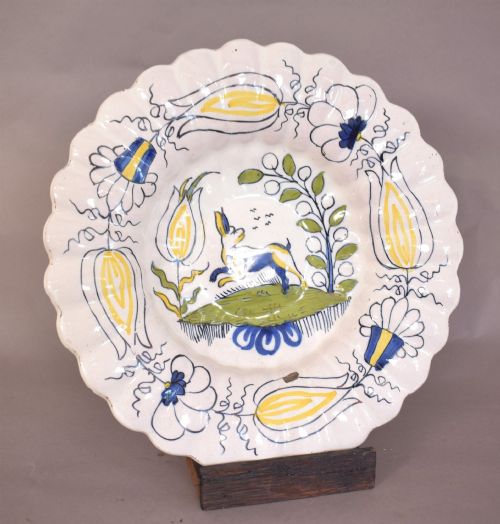
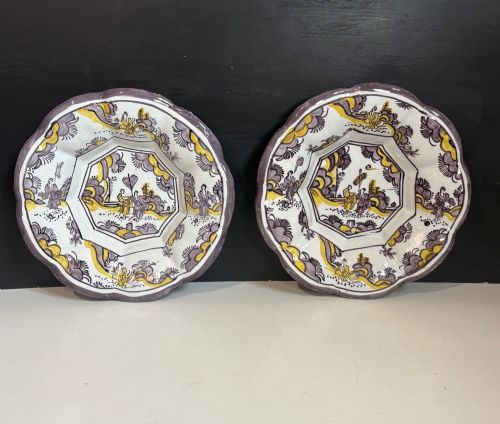
Grand feu techniques involved firing the ceramic and pigment together at high temperatures, allowing the metallic oxides to fuse softly into the glaze. Other pieces received secondary low-temperature firings for polychrome highlights in yellow, puce, and blue.
Marriage plates recorded in the inventory commemorated unions with custom painted scenes, preserving domestic history on pottery.
What varies in quality
The refinement of the painted brushwork dictates visual success, distinguishing rapidly executed commercial output from confident, finely detailed floral or figural compositions. Control over the cobalt pigment prevents excessive bleeding into the white tin-glaze.
The stability of the earthenware body and the evenness of the glaze coverage mark the division between standard utility items and ambitious exhibition chargers. Glaze pooling and firing imperfections alter the surface texture across different potteries.
Wedgwood·Caughley
The 18th Century Earthenware Plate Glossary
- Tin-Glazed Earthenware
- Pottery coated with a lead glaze made opaque by the addition of tin oxide. This creates a smooth white background suitable for hand-painted decoration.
- Charger
- A large decorative plate intended for ceremonial dining or wall display rather than everyday individual use.
- Polychrome
- Decoration employing multiple distinct colours, typically applied in pigments such as manganese, yellow, and blue over the glaze.
- Creamware
- A refined, light-coloured earthenware developed in the eighteenth century with a pale yellowish lead glaze.
- Chinoiserie
- European interpretations of Chinese artistic motifs and landscapes, commonly painted in blue and white on ceramic vessels.
- Grand Feu
- A high-temperature firing method that fuses cobalt and other metal oxide pigments directly into the raw glaze.
18th Century Earthenware Plate: Frequently Asked Questions
What defines an 18th century earthenware plate?
These ceramic items consist primarily of tin-glazed earthenware and creamware produced during the Georgian period. They utilise hand-applied cobalt pigment or enamel colours over local clay bodies.
Potters across England, France, Spain, and the Netherlands shaped them into plates, dishes, and large chargers. Their surfaces display floral motifs, armorial designs, and pictorial scenes.
Were these plates used for dining?
Many smaller plates served practical functions at dining tables for everyday meals or special courses. Large chargers often served as central display pieces on sideboards or walls.
Marriage plates and commemorative dishes marked specific family events rather than standard kitchen use. Their survival depends on how carefully past owners handled and displayed them.
How do you distinguish English and continental pieces?
English potteries such as those in Lambeth and Bristol often produced tin-glazed plates with distinct body textures and specific blue hues. Continental workshops, particularly in Dutch centres, utilised grand feu techniques and characteristic geometric borders.
Palettes also provide clues, with certain manganese and yellow combinations pointing towards specific European faience traditions. Examining the glaze composition helps clarify the likely geographic origin.
How should I display tin-glazed plates?
Displaying these ceramics requires stable plate hangers or specialised shelving that supports the earthenware rim safely. Protecting them from direct impact prevents edge chipping on the soft tin-glaze.
Keeping pieces away from damp environments preserves the stability of the porous ceramic body. Gentle dusting maintains the surface without risking the hand-painted pigments.