
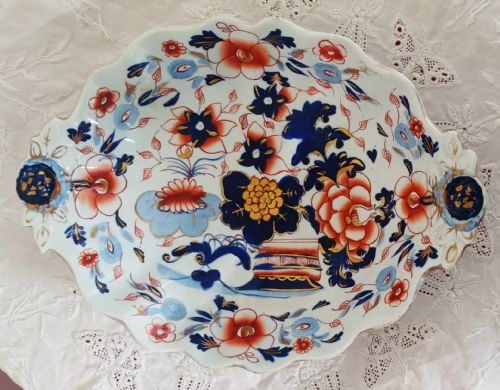


Cobalt Blue Ceramic Stand
A cobalt blue ceramic stand brings depth and rich colour to a table, offering a decorative foundation for serving dishes or teapots.
Cobalt Blue Ceramic Stand
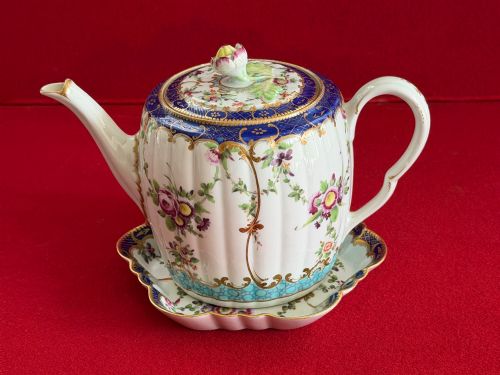
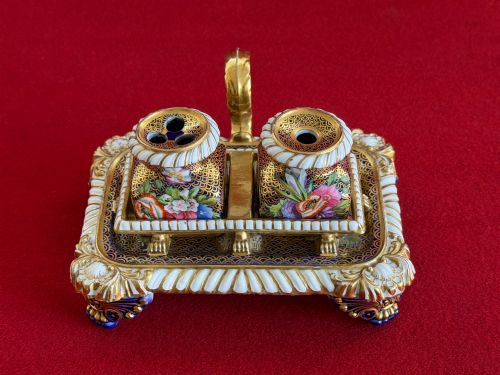
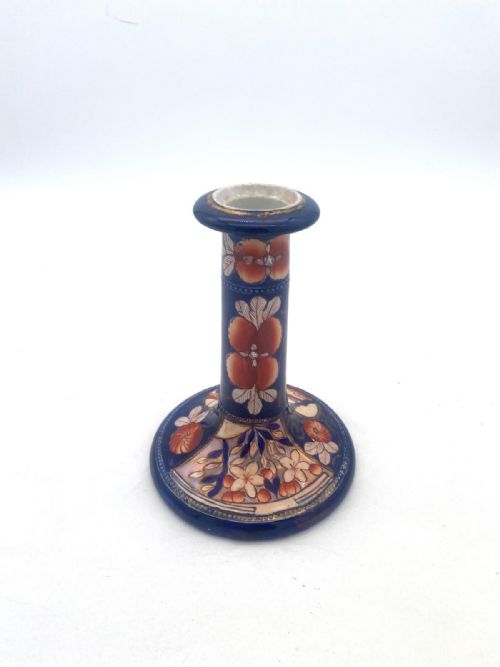
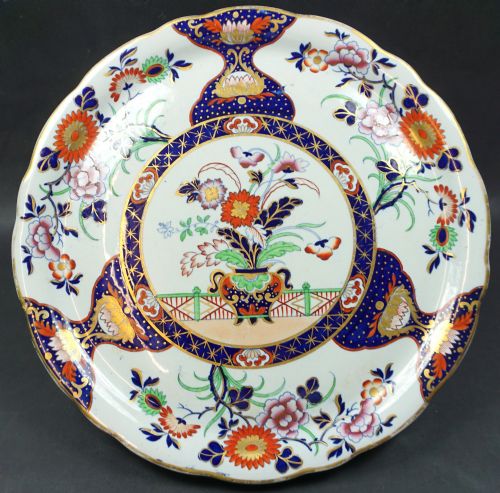
A cobalt blue ceramic stand comprises items designed to support or display other vessels, appearing primarily in nineteenth-century and Georgian forms across this page. Buyers seeking a cobalt blue ceramic stand will encounter functional wares such as teapots with stands, inkstands, cheese dishes, and serving platters.
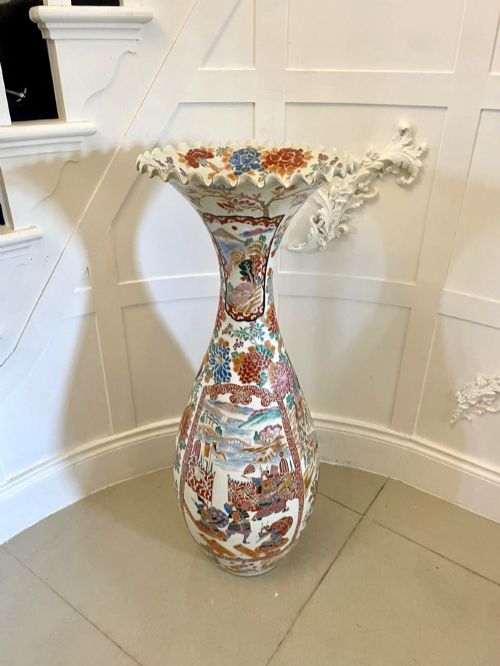
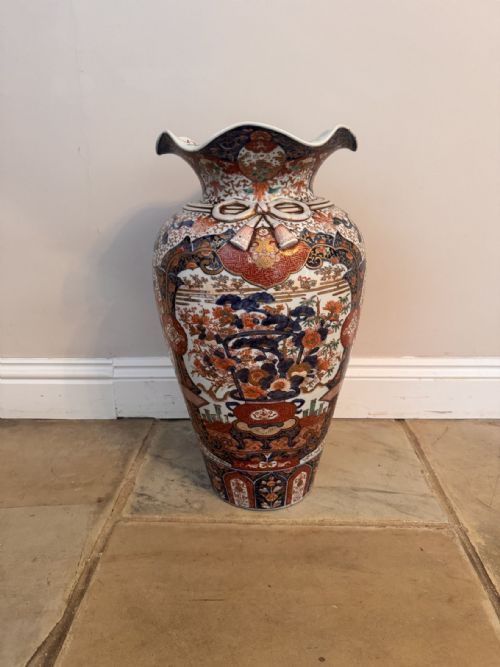
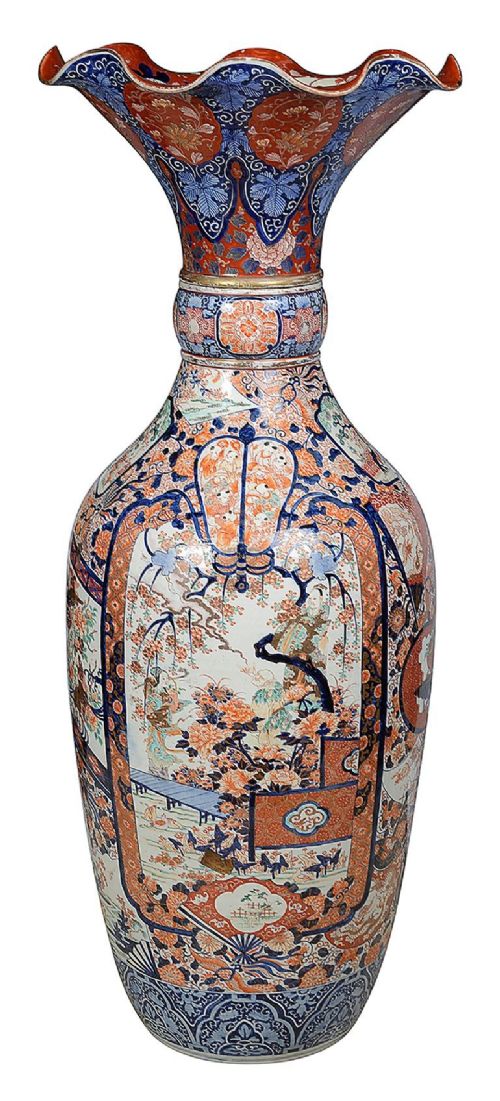
The objects span diverse stylistic traditions including Victorian, Georgian, Regency, and Japanese Imari influences. Pieces range from large decorative floor vases to small miniature flat irons on stands and dessert cream tureens.
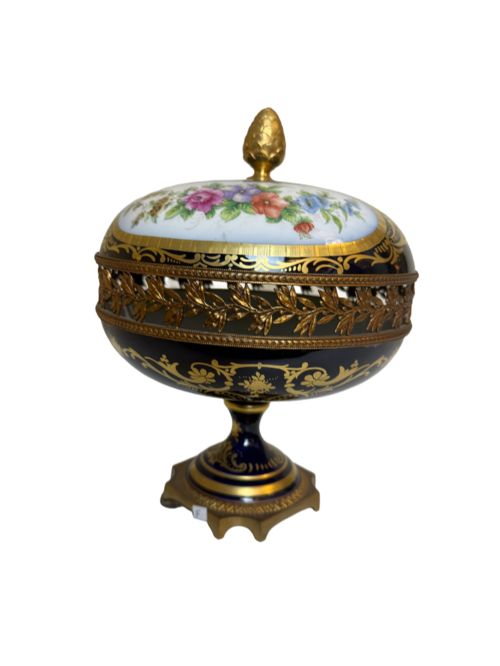
Originating across English, French, and Asian workshops, these pieces utilise traditional forms like the barrel shape, piered net patterns, and footed comports. Each item serves as an elevated platform or protective base for domestic display.
How they were made
Potters shaped these objects from earthenware, porcelain, bone china, and ironstone, applying rich cobalt glaze to achieve their characteristic deep blue colouration. Many pieces incorporate transfer printing, hand colouring, or polychrome enamel work beneath or over the glaze.
Makers often heightened the ceramic bodies with gilding, gold leaf, and brass mounts, particularly on Regency and Victorian examples. Firing techniques varied from early pearlware production to refined nineteenth-century porcelain kilns.
Listings feature porcelain, ironstone, and earthenware pieces spanning the Georgian, Regency, and Victorian periods.
What varies in quality
Quality in a cobalt blue ceramic stand rests upon the crispness of the transfer print or the dexterity of the hand-painted brushwork. Superior pieces exhibit precise cobalt saturation without running in the glaze, alongside clean moulding on pierced or relief-moulded surfaces.
The refinement of the ceramic body itself distinguishes finer examples, with porcelain and early bone china showing greater translucency than heavier ironstone or earthenware. Intricacy of associated gilding and the preservation of original matched stands elevate certain pieces above standard domestic wares.
Masons Ironstone·Hicks And Meigh·Mintons·Royal Crown Derby·Spode·Copeland·Limoges·Carlton Ware
The Cobalt Blue Ceramic Stand Glossary
- Ironstone
- A dense, durable type of earthenware patented in the nineteenth century to rival true porcelain. It provides a sturdy body for heavily decorated serving dishes and cheese stands.
- Pearlware
- A refined earthenware developed in the Georgian period featuring a pale bluish glaze that pooled in recesses to mask the underlying cream-coloured paste.
- Transfer printing
- A decoration technique where an engraved copper plate transfers a design onto tissue paper, which is then stamped onto the ceramic biscuit before glazing and firing.
Cobalt Blue Ceramic Stand: Frequently Asked Questions
What was a ceramic stand used for?
These stands functioned as protective bases or elevated platforms for teapots, cheese dishes, inkwells, and tureens during formal dining and writing.
They prevented hot vessels or ink drips from damaging polished wooden tables while adding a decorative layer of blue and white ceramics.
How do I date a blue and white stand?
Dating relies on identifying the ceramic body, such as early pearlware versus later ironstone, alongside stylistic markers from the Georgian, Regency, or Victorian eras.
Maker marks, registration numbers, and pattern names stamped or painted underneath also help narrow down the period of production.
Are porcelain and ironstone stands fragile?
Porcelain stands possess a finer, more delicate structure requiring careful handling, whereas ironstone and earthenware versions offer robust durability for everyday environments.
Both materials benefit from gentle hand washing to preserve surface gilding and delicate cobalt enamel details over time.
What is the difference between a stand and a comport?
A stand generally refers to a flat or slightly raised base designed to hold another specific vessel like a teapot or kettle. A comport is a taller, footed dish standing independently to present food items.