



Antique Blue Teacup
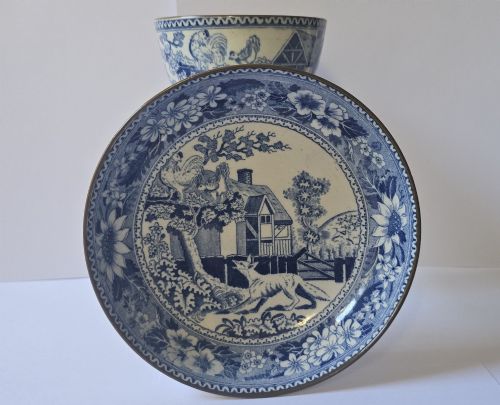
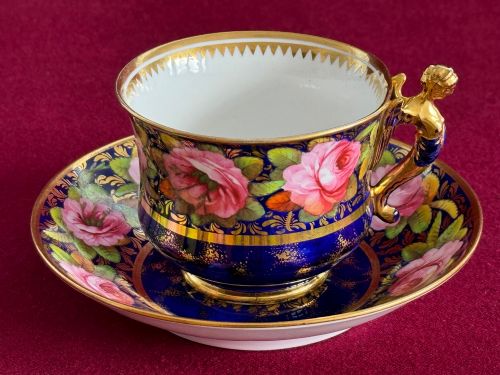
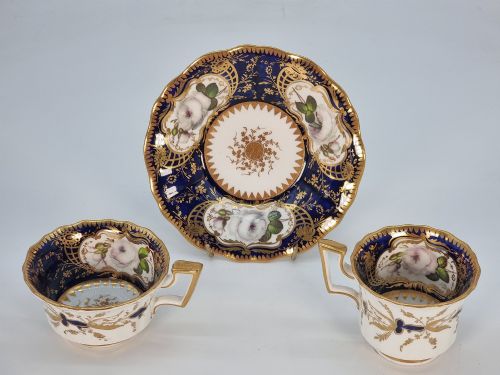
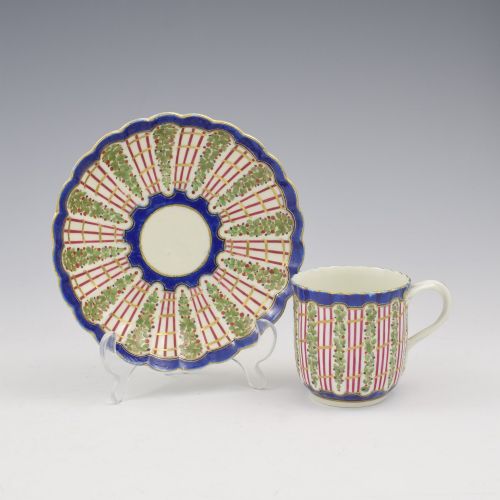
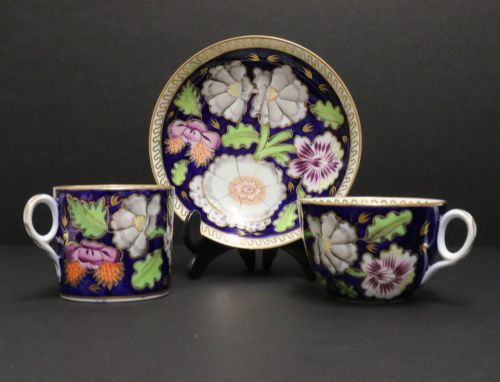
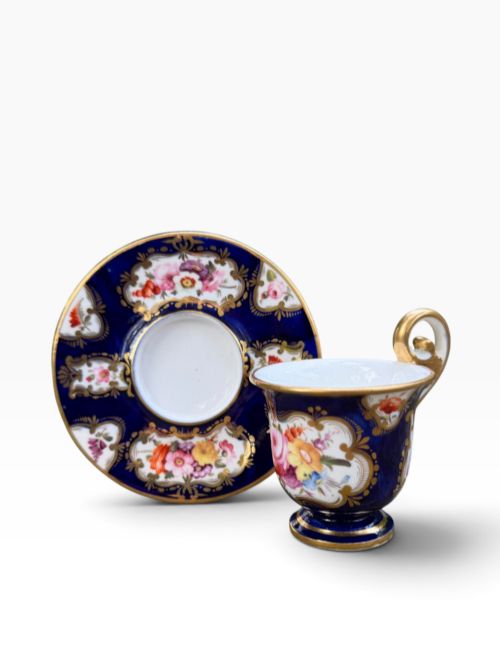
An antique blue teacup brings cabinet porcelain to the table, combining cobalt glaze with fine paste in shapes shaped by the Regency and Georgian eras.
Antique Blue Teacup
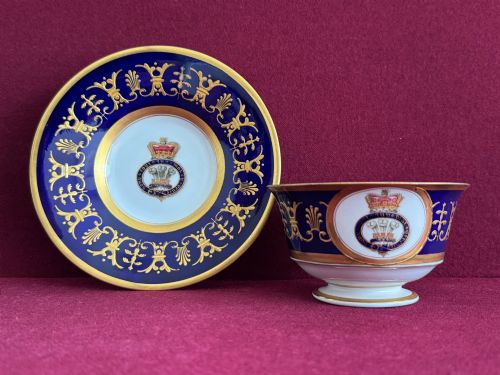
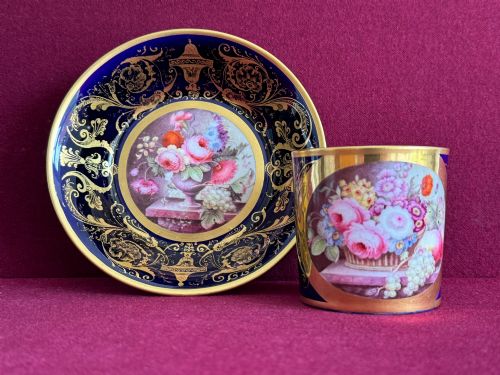
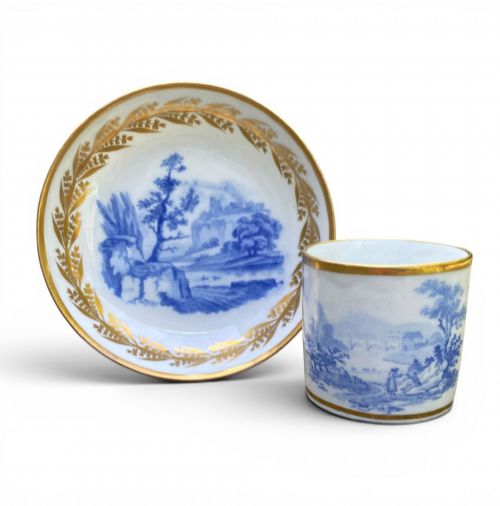
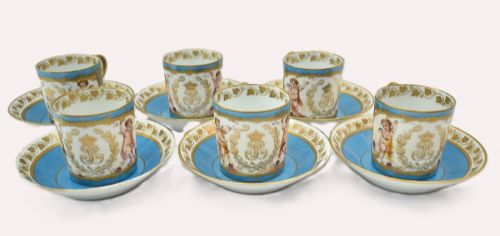
An antique blue teacup sits alongside matching saucers, tea bowls, and coffee cans within this selection. The forms span from 18th-century Worcester tea bowls to Regency cabinet trios and Victorian afternoon services.
Most examples originate from English factories such as Worcester, Coalport, Spode, and New Hall, alongside continental works and Japanese export porcelain. Pieces include simple cobalt underglaze patterns and elaborate bat wing or bird motifs.
Buyers encounter everything from cabinet display cups to full tea services, drawing on periods that stretch from the 1700s through the Victorian era and into the twentieth century.
How they were made
Potters shaped these vessels from porcelain, bone china, soft-paste porcelain, and pearlware, often finishing the surface with cobalt glaze or cobalt underglaze. Hand-applied enamel, gilding, and gold leaf frequently enhance the blue design work.
Factories like Worcester and Minton relied on skilled hands to paint intricate patterns, from hop trellises to fancy birds. Skilled decorators also utilised glass and enamel on signed continental pieces.
Antique Blue Teacup Retail Price Guide 2026
Typical asking prices for blue teacup among the pieces listed under this phrase on Sellingantiques today, from the lower quarter to the upper quarter. They describe what is for sale here now, not the wider market.
Some cups sport patterns charmingly named by factories as the Bengal Tiger or the Crazy Cow.
What varies in quality
The refinement of the paste and the precision of the cobalt underglaze dictate the baseline of the work. Early soft-paste bodies and crisp hand-painted motifs separate standard utilitarian wares from cabinet pieces.
Spode·Barr and Barr Worcester·Minton·New Hall·Coalport·Lowestoft·Moscow Factory·Moser
The Antique Blue Teacup Glossary
- Cobalt glaze
- A vitreous coating containing cobalt oxide that turns deep blue during kiln firing. It provides the primary colour foundation for blue and white ceramics.
- Soft-paste porcelain
- A ceramic body composed of clay and glass frit, fired at lower temperatures than hard paste. It creates a creamy translucent background typical of eighteenth-century English factories.
- Coffee can
- A straight-sided cylindrical cup designed for drinking strong coffee rather than tea. These often appear paired with matching saucers in Regency sets.
- Cabinet trio
- A matched set consisting of a teacup, coffee cup, and saucer designed for display rather than daily use. These frequently feature rich gilding and detailed hand painting.
- Pearlware
- An earthenware body developed in the late eighteenth century with a bluish glaze that pooled in crevices. It bridged the gap between salt-glazed saltware and white ironstone.
Antique Blue Teacup: Frequently Asked Questions
How do I date an antique teacup?
Examine the paste, glaze pooling, and factory marks on the base. Stylistic cues like fluted rims or bat-wing patterns also point to specific decades.
Earthenware bodies like pearlware suggest earlier Georgian manufacture, while bone china and heavier gilding often indicate Victorian production.
Can I use these cups for tea?
Most antique cups are delicate cabinet pieces intended for display or occasional gentle use. Historic soft-paste porcelain and thin enamel can suffer from thermal shock or abrasion.
Hand washing in lukewarm water without harsh detergents helps preserve the cobalt glaze and gold leaf.
What is a tea bowl?
Tea bowls are handleless vessels used before handled teacups became standard in European dining. They require both hands to hold when the contents are hot.
These forms appear frequently in eighteenth-century Worcester and Lowestoft pieces.
Why do some cups have saucers without handles?
Early saucers were often deeper than modern ones and served as cooling vessels for the tea. Drinkers poured hot liquid from the cup into the saucer to cool it before consumption.
This practice gradually disappeared as dining habits shifted during the nineteenth century.