





Antique Blue China Bowl
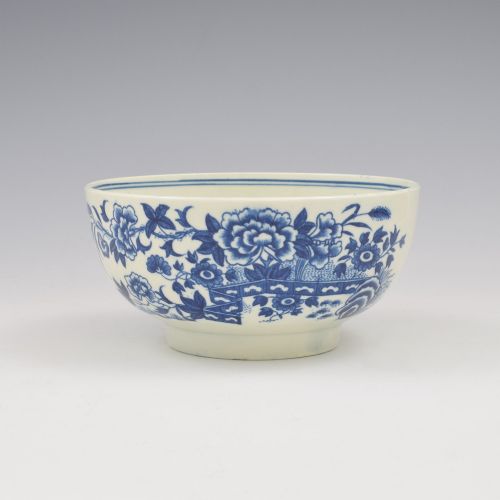
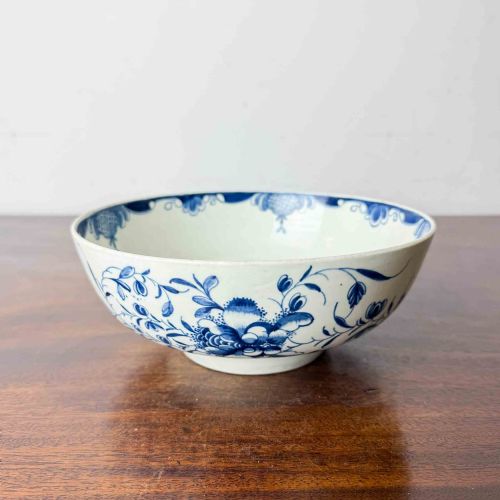
When you search for an antique blue china bowl, you uncover centuries of ceramic artistry spanning English earthenware, porcelain, and vibrant ironstone pieces.
Antique Blue China Bowl
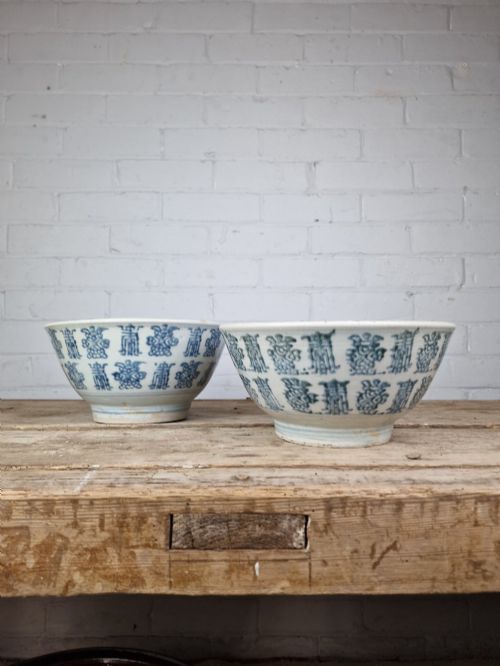
An antique blue china bowl encompasses various forms including footed bowls, pedestal bowls, punch bowls, slop bowls, and everyday tea bowls originating from diverse periods. When you browse this selection, you encounter pieces spanning the eighteenth, nineteenth, and early twentieth centuries, created by both English factories and international makers.
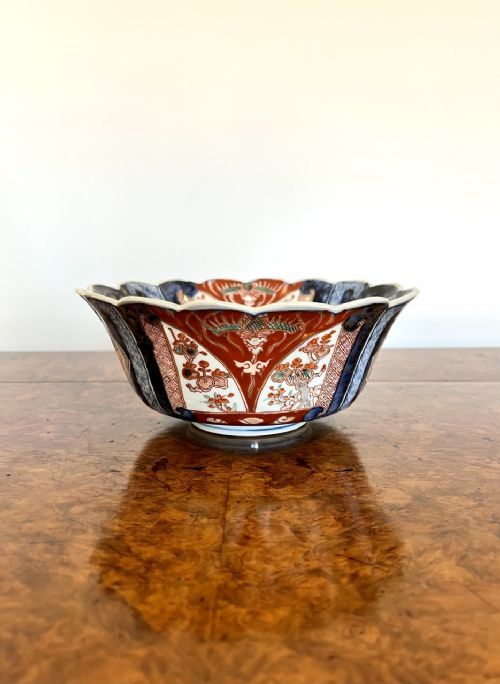
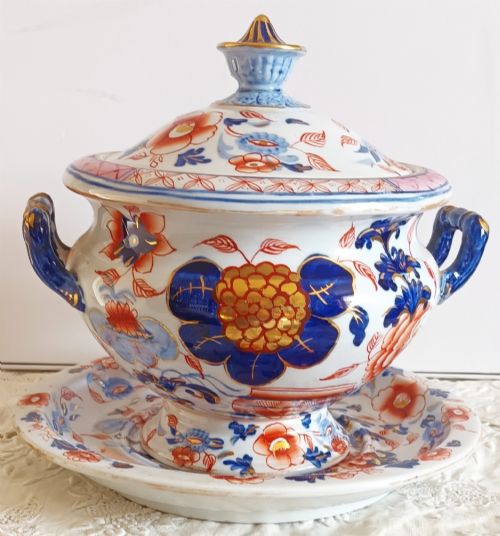
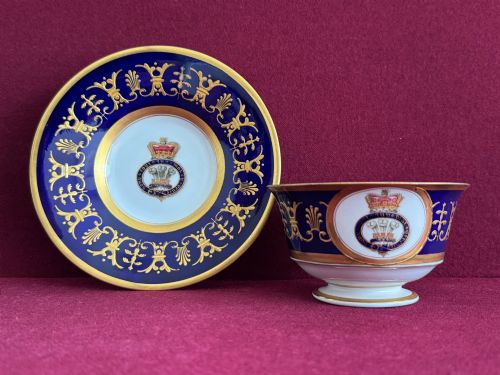
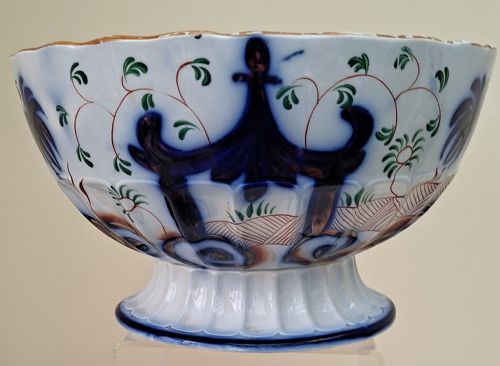
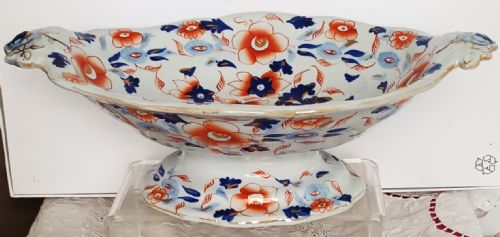
The objects listed display striking decorative styles ranging from traditional Chinese provincial and Japanese Imari patterns to ornate Georgian designs and Victorian Gaudy Welsh pottery. These items served functional roles in historical dining and tea service traditions while offering rich visual appeal through cobalt decoration.
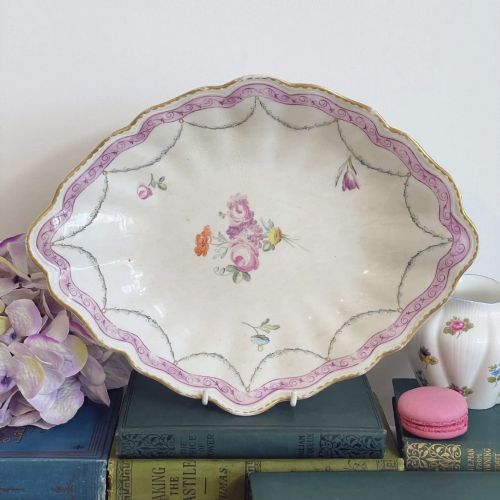
Many examples utilise robust ironstone or delicate porcelain, capturing shifts in domestic dining habits from the Georgian era through to the Edwardian period. Collectors find everything from simple utilitarian bowls to deeply lobed serving dishes and matched sets designed for display.
Materials and production techniques
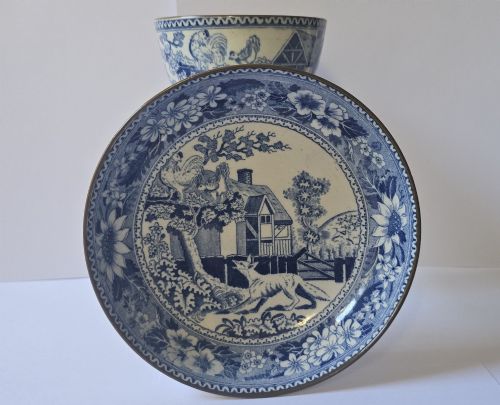
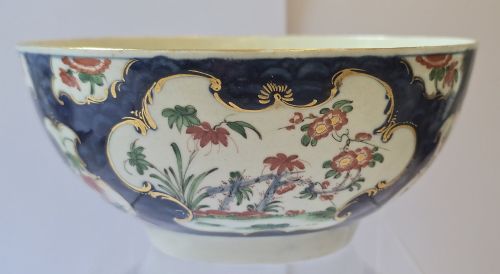
Potters constructed these bowls using ceramic bodies such as porcelain, earthenware, pearlware, and ironstone, applying underglaze blue decoration before firing at high temperatures. Many items feature additional hand-painted polychrome highlights or gold leaf accents layered over the glaze to enrich the finished appearance.
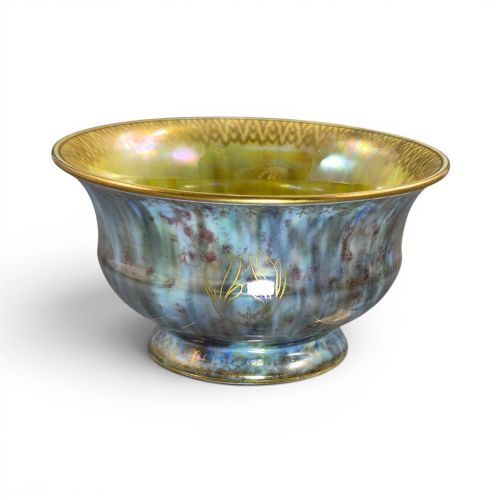
Factories employed specialised moulding, casting, and hand-throwing techniques depending on whether the vessel was a delicate tea bowl or a heavy ironstone tureen. Glaze application varied from smooth, uniform surfaces to lustrous finishes that produced iridescent effects on the ceramic body.
Antique Blue China Bowl Retail Price Guide 2026
Typical asking prices for blue china bowl among the pieces listed under this phrase on Sellingantiques today, from the lower quarter to the upper quarter. They describe what is for sale here now, not the wider market.
Listings feature eighteenth-century porcelain alongside nineteenth-century ironstone, earthenware, and twentieth-century lustre ware.
Distinguishing quality across the range
Quality in these ceramics rests upon the crispness of the cobalt transfer printing or the precision of hand-painted brushwork, alongside the clarity of the underlying glaze. Pieces produced by established factories often exhibit superior body refinement and more sophisticated integration of pattern and form.
The overall preservation of the ceramic body and any applied enamel or gold leaf significantly influences the standing of an individual bowl. Well-defined mouldings, balanced proportions, and clear factory marks distinguish finer production examples from standard utility wares.
Dr Wall Worcester·Royal Crown Derby·Mason Ironstone·Doulton Burslem·Wedgwood
The Antique Blue China Bowl Glossary
- Ironstone
- A dense, durable type of earthenware patented in the nineteenth century that mimics porcelain while offering greater strength for heavy domestic use.
- Pearlware
- A refined earthenware developed in the late eighteenth century featuring a subtle bluish glaze that sat over a whitish body to imitate Chinese porcelain.
- Imari
- A decorative style inspired by Japanese export wares featuring deep cobalt blue combined with iron red and gold details.
- Slop Bowl
- A large bowl used during formal tea service to discard used tea leaves and remaining liquid before pouring fresh cups.
- Comport
- A decorative pedestal bowl or dish raised on a foot, traditionally utilised for serving fruit or sweets at the dining table.
Antique Blue China Bowl: Frequently Asked Questions
How do I care for my antique blue china bowl?
Wash your ceramic bowl gently by hand using lukewarm water and mild soap, avoiding harsh scrubbing tools or modern dishwashers.
Keep the piece away from sudden temperature shifts and direct sunlight to protect the fragile glaze and any delicate gold leaf or enamel details.
Were these bowls used for food or display?
Historical bowls served practical dining functions such as mixing ingredients, holding soup, serving side dishes, or collecting waste tea leaves during formal meals.
Over time, many of these domestic objects transitioned into cabinet pieces or table ornaments valued primarily for their artistic patterns and historical significance.
How can I tell the difference between porcelain and ironstone?
Porcelain is typically thin, translucent when held to the light, and rings clearly when lightly tapped, whereas ironstone is heavier, opaque, and extremely robust.
Ironstone bowls were designed for rugged everyday utility, while porcelain items generally suited more refined tea and dessert services.
What does the Imari pattern mean on these bowls?
The Imari designation refers to a distinct decorative scheme originating in Japan and later emulated by European factories, characterised by deep cobalt blue and rust red motifs.
Potters often enhanced these striking colour combinations with touches of gold leaf to create a rich, highly decorative surface favoured in wealthy households.