

Antique Ceramic Art
Antique ceramic art gathers together glazed earthenware, porcelain, and stoneware shaped during the late nineteenth and early twentieth centuries.
Antique Ceramic Art
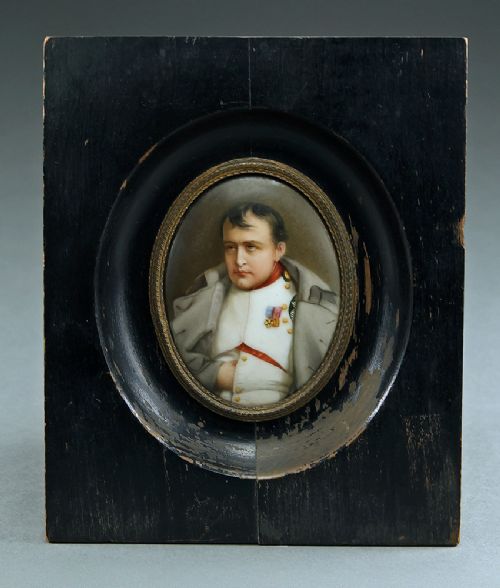
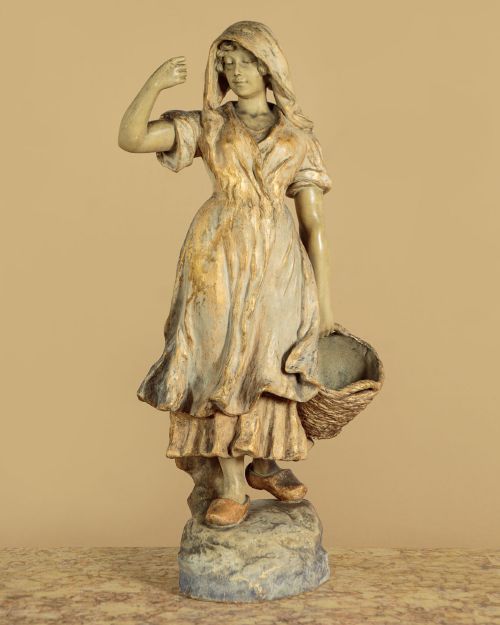
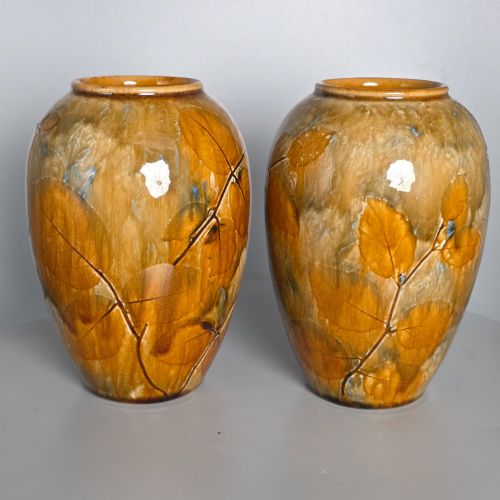
When you search for antique ceramic art, you encounter a diverse selection of pieces ranging from tall vases and decorative bowls to figurative sculptures and tile plaques. The most common examples on this page date from the Victorian era through the 1930s, reflecting periods such as Art Nouveau, Art Deco, and the Arts and Crafts movement.
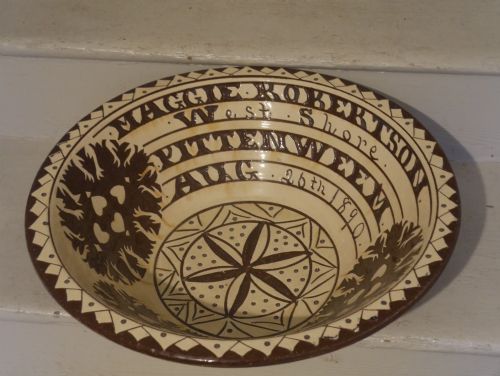
These items originate from British potteries like Doulton, Moorcroft, and Wedgwood, alongside continental European factories and Japanese kilns. Forms vary widely, spanning utilitarian dairy bowls, elaborate ewers, and framed painted porcelain plaques designed purely for display.
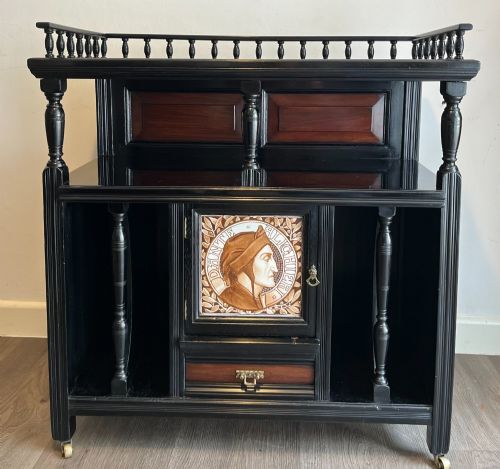
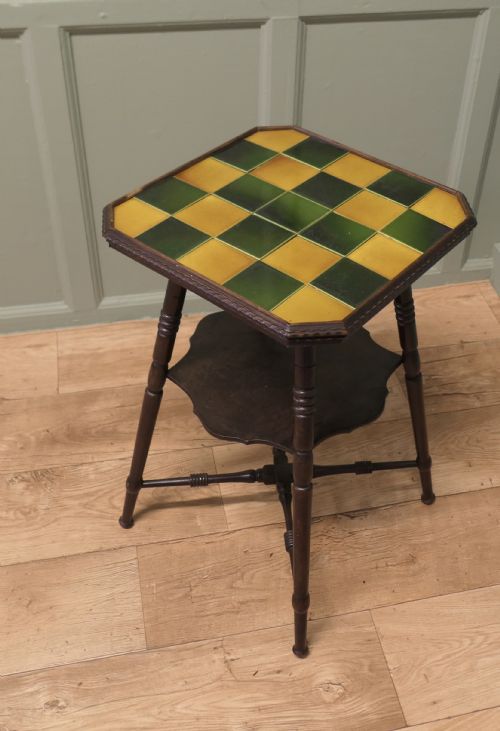
Many objects combine ceramics with other media, resulting in earthenware tiles set into oak side table tops or ceramic lamp bodies paired with brass hardware. Collectors select these pieces for their distinct period aesthetics, hand-painted details, and varied glaze formulas.
How they were made
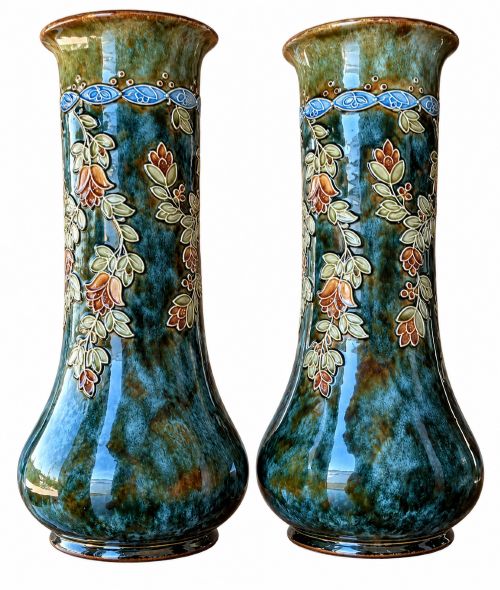
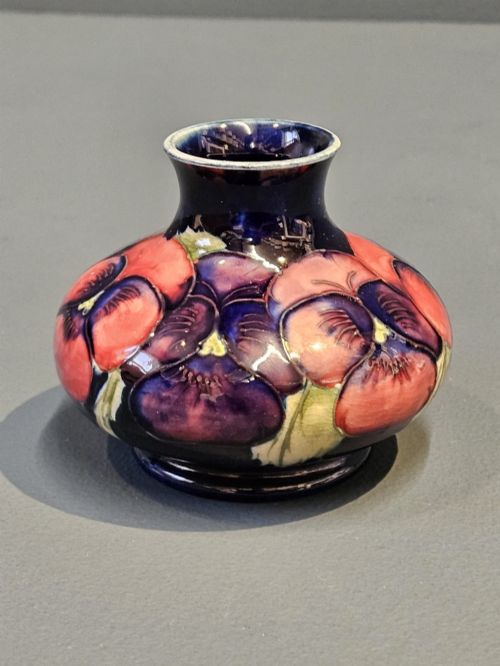
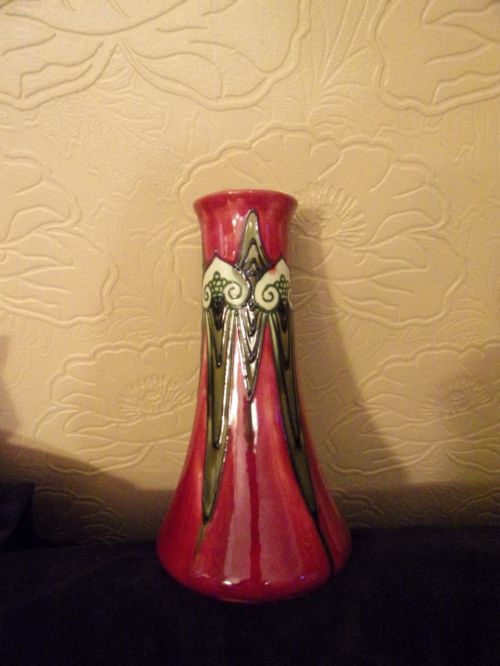
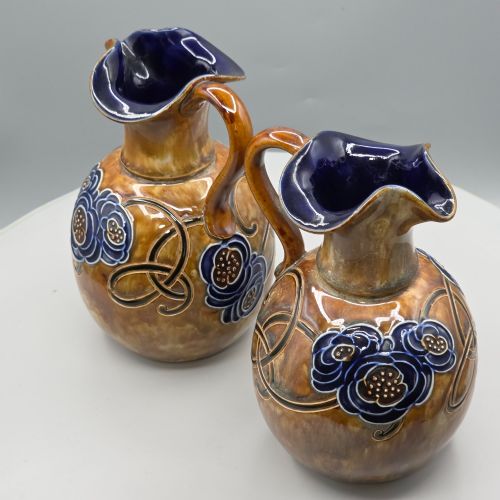
Makers shaped these pieces using earthenware, stoneware, and porcelain bodies, applying liquid slips and opaque or translucent glazes before firing. Techniques like tube-lining created raised clay barriers on vases and tiles to contain pools of coloured enamel.
Surface decoration often involved hand-painted pigments, transfer printing, or carved relief work executed while the clay was still leather-hard. Japanese pieces utilised specialised flambé glazes and applied modelled figures climbing the exterior walls.
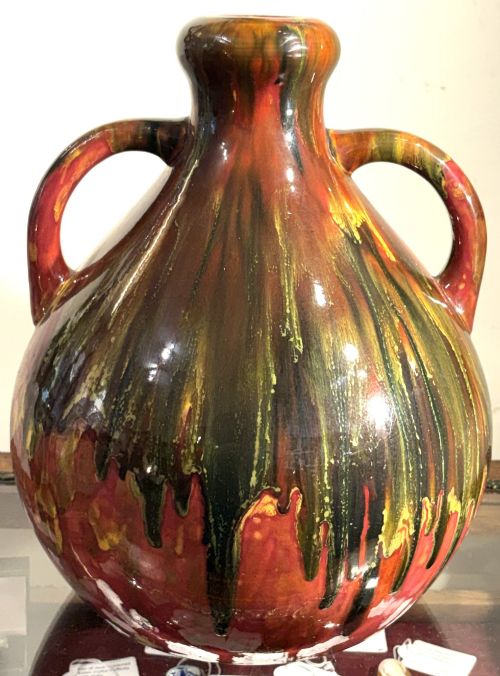
Kiln operators controlled reduction and oxidation atmospheres to achieve specific metallic sheens and lustres, particularly visible in early twentieth-century lustre wares and Persian-inspired designs.
Several pieces depict climbing figures and domestic animals, including frogs scaling the sides of Japanese Sumida Gawa jars.
What varies in quality
Quality in these ceramics rests upon the crispness of the modelled form, the control shown in hand-painted brushwork, and the richness of the fired glaze. Pieces featuring complex tube-lined designs or detailed hand-painted scenes demonstrate greater artisan input than standard factory output.
The depth and uniformity of special glaze effects, such as flambe runs or iridescent lustres, distinguish standard production items from superior studio work. The integration of ceramic elements with secondary materials, such as fitted oak stands or bronze mounts, also signals the tier of the piece.
Royal Doulton·Moorcroft·Shapland and Petter·Goldscheider·Minton·Seaton Pottery·Wedgwood·Daisy Makeig Jones·James Stinton·Royal Dux·Zsolnay Pecs
The Antique Ceramic Art Glossary
- Stoneware
- A dense, hard pottery material fired at high temperatures until vitrified and rendered non-porous. It accepts salt glazes and intricate relief decoration readily.
- Earthenware
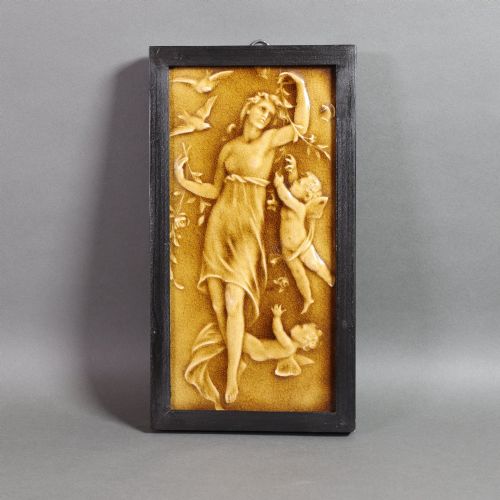
- Porous pottery fired at lower temperatures that requires a glaze layer to hold liquids. It forms the body for many decorative Victorian and Edwardian wall plaques.
- Porcelain
- A fine, white, vitrified ceramic made from kaolin and petuntse, fired at high heat. It yields thin-walled vessels and crisp figurines with smooth surfaces.
- Tube-lining
- A decorative technique where a thin trail of liquid clay is squeezed through a nozzle onto a ceramic surface to outline patterns. The resulting cells are filled with coloured glazes before firing.
- Flambé glaze
- A rich, variegated glaze showing mottled streaks of red, blue, and purple produced by regulating kiln oxygen during firing. It appears frequently on Asian and European art pottery from the early twentieth century.
- Lustre ware
- Pottery finished with a metallic film that reflects iridescent sheens of copper, gold, or silver. Makers achieved this effect through a secondary low-temperature kiln firing.
Antique Ceramic Art: Frequently Asked Questions
What is art pottery?
Art pottery refers to ceramic pieces produced mainly during the late nineteenth and early twentieth centuries by artist-potters and specialised factories. These items prioritized artistic expression, distinct forms, and experimental glazes over mass-produced utility.
Such works often bear painted artist monograms or factory ciphers on the underside, linking them to specific design movements like Art Nouveau or Arts and Crafts.
How do I identify Doulton Lambeth pieces?
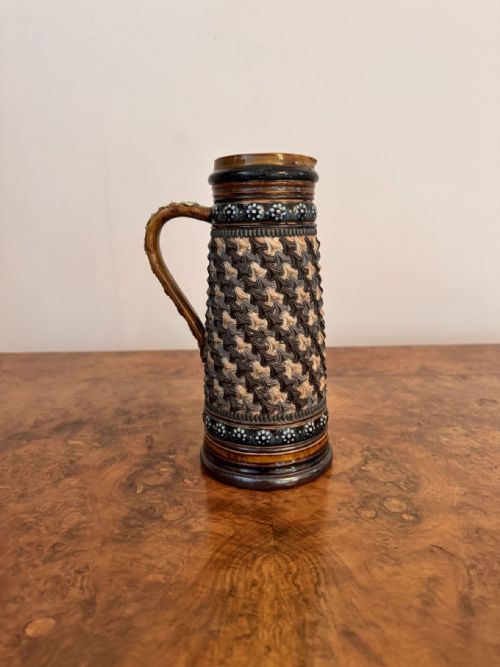
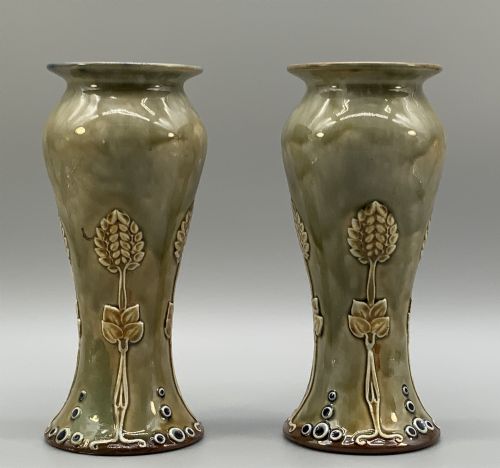
Doulton Lambeth items typically feature heavy stoneware bodies decorated with salt-glazed finishes, incised foliate patterns, and applied beadwork. The factory employed numerous specialised artists who signed or initialled their completed vessels.
Look for impressed factory stamps on the base that indicate the London Lambeth works alongside specific date ciphers and assistant marks.
What distinguishes Moorcroft pottery?
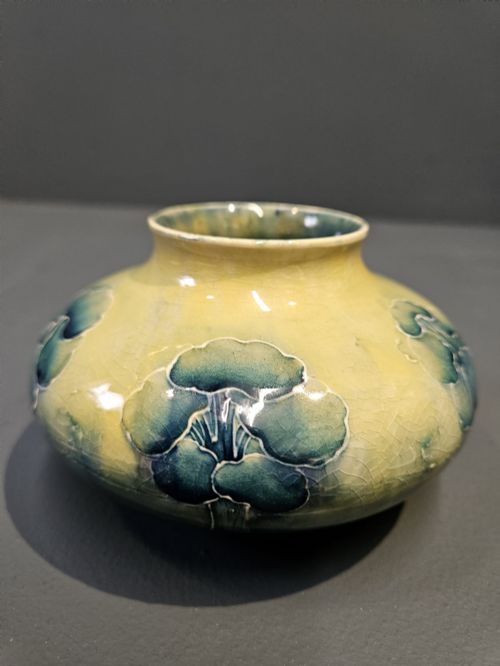
Moorcroft pieces are recognised by their characteristic tube-lined designs, where raised outlines separate rich, deep pools of coloured glaze. William Moorcroft developed these vibrant botanical motifs initially for McIntyre and later under his own name.
Early examples often carry painted signatures or impressed factory marks associated with Liberty of London collaborations.
How should I display ceramic art?
Display these ceramics away from direct sunlight and areas subject to sudden temperature fluctuations, which can stress historical glazes and bodies. Position taller vases and ewers on stable surfaces where accidental knocks are minimised.
Use flat surfaces for bowls and chargers, or secure wall plaques with appropriate professional brackets designed to support the weight of ceramic and tile compositions.