


Brown Ceramic Tile
These brown ceramic tile pieces are sturdy architectural and decorative works designed to bring warmth and rich earthy tones into domestic spaces.
Brown Ceramic Tile
When you search for brown ceramic tile, you find a selection of objects ranging from individual decorative tiles to fitted furniture such as side tables and umbrella stands. The brown ceramic tile is most commonly encountered in Victorian and Edwardian contexts, often incorporated into oak or mahogany frames, hall chairs, and washstands. These pieces serve both functional and ornamental roles within domestic interiors.
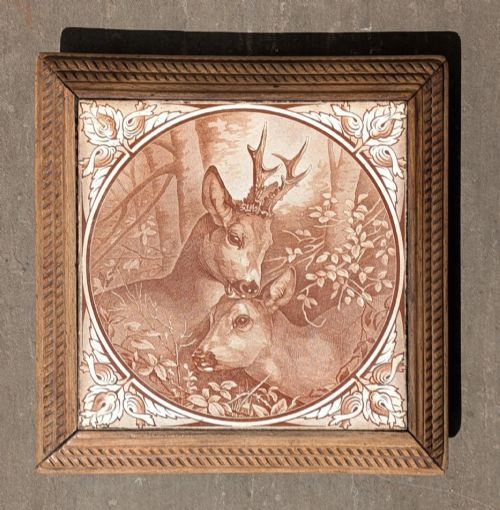
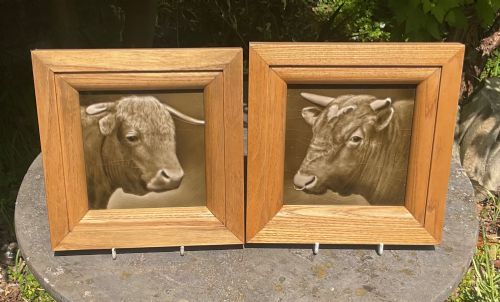
The materials paired with the ceramic elements include oak and mahogany wood, creating robust items designed for daily use in hallways and living spaces. Styles span from Victorian and Late Victorian to Arts and Crafts and Art Nouveau, reflecting the aesthetic preferences of the nineteenth and early twentieth centuries. Individual wall plaques and framed tiles also appear, showing pictorial subjects rendered in rich glazes.
How they were made
The construction of these items relies on durable earthenware and porcelain bodies finished with specialised glazes to achieve characteristic brown tones. Cabinet makers combined these ceramic elements with solid woods like oak and mahogany, setting tiles securely into wooden table tops, chair backs, and wall frames. Glazing techniques varied from smooth lustres to textured surfaces capable of holding rich pigments.
Makers integrated the tiles structurally, mortising and tenoning wooden frames to support the weight of heavy earthenware inserts. Fixtures such as iron stands and wooden mounts were constructed to display individual plaques or sets of tiles securely.
Listings feature items incorporating ceramic, oak, mahogany, and glazed earthenware across Victorian and Edwardian periods.
What varies in quality
Quality in these pieces is defined by the crispness of the moulding in the ceramic body and the depth and evenness of the glaze. Finer examples show precise pictorial detail in subjects like figures or animals, whilst simpler pieces rely on plain or uniform glazed surfaces. The integration of the tile into the surrounding woodwork demonstrates the skill of the maker.
The choice of timber also dictates the standard of the piece, with well-figured oak and mahogany housing the tiles outlasting simpler secondary woods. Intact glazes free from extensive crazing or repair separate well-preserved examples from those showing heavy wear.
Sherwin and Cotton·Minton
The Brown Ceramic Tile Glossary
- Earthenware
- A porous pottery body fired at relatively low temperatures. It requires a glaze to become impermeable to liquids and forms the base for many decorative tiles.
- Glaze
- A glassy coating fused to the ceramic body through firing. It provides colour, waterproofing, and a decorative sheen to the surface.
- Arts and Crafts
- A design movement valuing handcraftsmanship and traditional materials. It strongly influenced the integration of tiles into furniture during the late nineteenth century.
- Art Nouveau
- A style characterised by flowing, organic lines and natural motifs. It appears frequently in the decorative tiles of the early twentieth century.
Brown Ceramic Tile: Frequently Asked Questions
How do I clean a tiled table top?
Use a damp cloth with mild soap to wipe the glazed ceramic surface gently, avoiding harsh abrasives that might scratch the glaze.
Dry the surrounding wood immediately afterwards to prevent moisture damage to the oak or mahogany structure.
Were these tiles used outdoors?
Most of these ceramic tiles were intended for interior domestic use in hallways, fireplace surrounds, or fitted furniture.
Exposing nineteenth-century earthenware to frost and extreme outdoor weather can cause the glaze to craze and the body to crack.
How can I tell a Victorian tile from a later one?
Victorian examples often display dense earthenware bodies and rich, deep glazes associated with prominent potteries of the era.
Later pieces from the Edwardian period or the 1920s tend to feature lighter framing and more stylised motifs reflecting changing design tastes.
Can framed tiles be hung safely?
Framed tiles carry considerable weight due to the density of the ceramic body and the wooden mount.
Ensure you use appropriate wall fixings secured directly into wall studs or solid masonry to support the load safely.