




Antique Ceramic Plaque
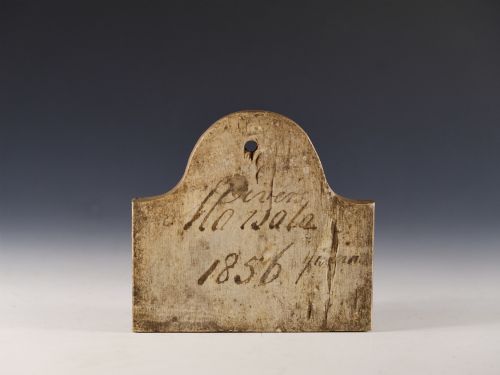
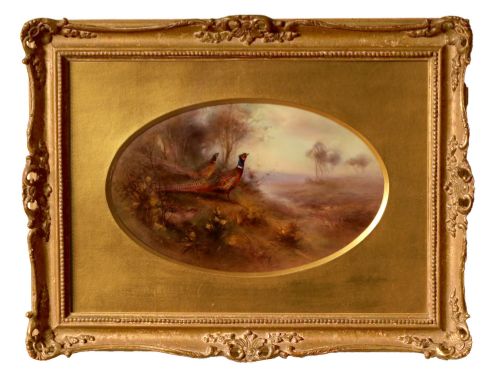
An antique ceramic plaque brings hand-painted portraiture, Delft scenes and intricate majolica directly to the wall.
Antique Ceramic Plaque
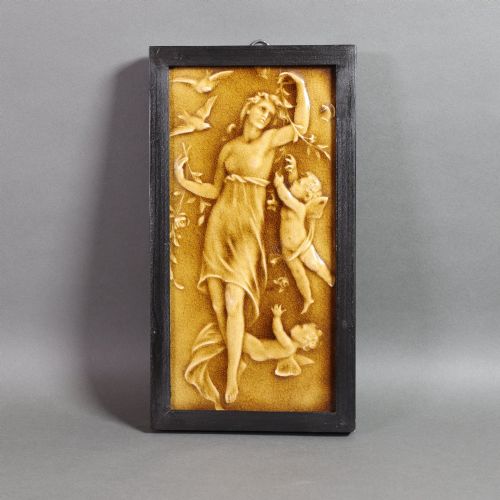
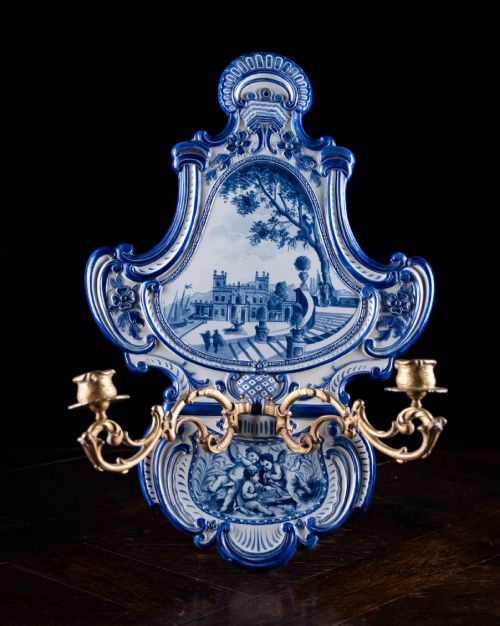
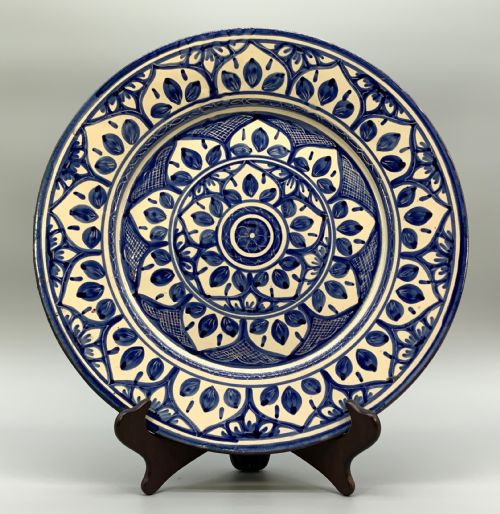
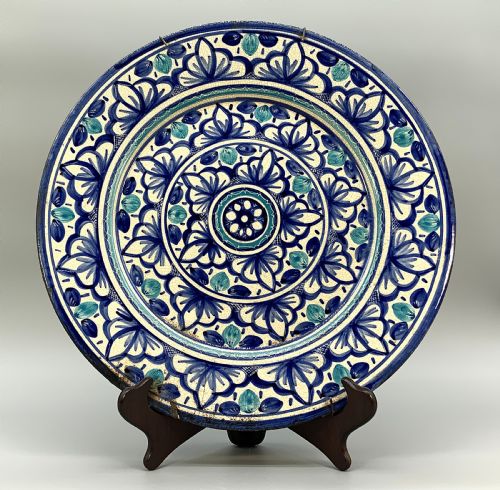
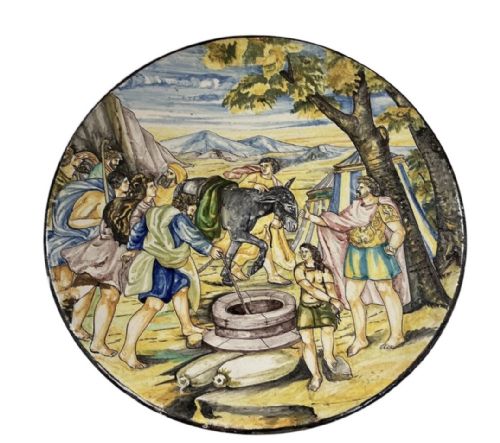
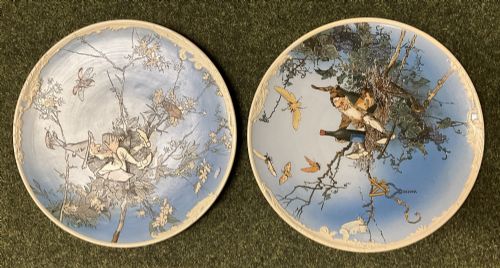
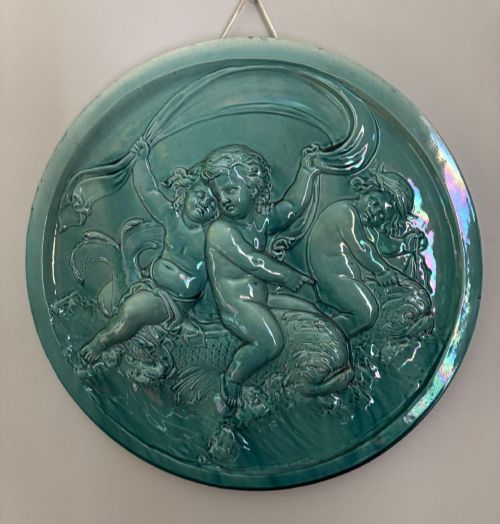
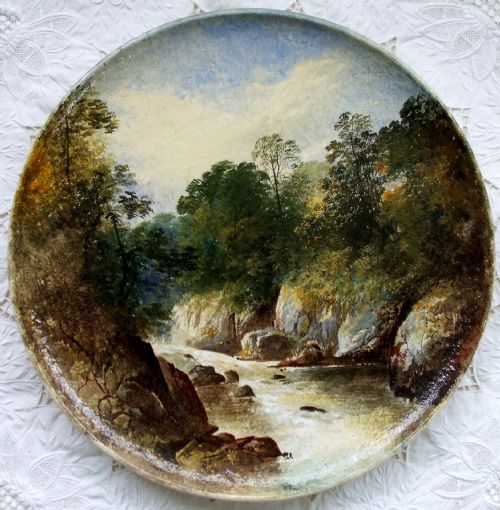
The term antique ceramic plaque covers a wide range of flat earthenware, porcelain and pottery items designed primarily for display on walls or within decorative frames. Buyers looking into this category encounter formats running from devotional Limoges enamels and Victorian scenic porcelain to large earthenware chargers and tiles.
Pieces from the nineteenth century dominate the selection, though earlier eighteenth-century Delft examples and early twentieth-century items appear regularly. Forms range from dedicated wall plaques and hand-painted portraits to framed tiles and large decorative chargers originating from British, continental European and Japanese makers.
Materials and construction methods
Potters shaped these objects from clay bodies including earthenware, terracotta and fine porcelain, often applying an opaque tin glaze or translucent lead glaze before firing. Artisans then hand-painted detailed subjects directly onto the prepared surface utilising mineral pigments and metallic oxides.
Many works incorporate secondary materials such as carved wooden frames, gilt bronze or ormolu mounts, and gold leaf highlights. Firing techniques varied from traditional Delft kilns to sophisticated factory processes in European potteries like Worcester, Copeland and Minton.
One Austrian terracotta relief plaque depicts a satirical refugee monkey family in America.
Distinctions in craftsmanship and execution
Quality rests heavily upon the skill of the brushwork, particularly in hand-painted portraiture and complex historical or landscape scenes after master painters. Signed works by recognised decorators or established factories show superior precision in line and pigment blending compared to standard factory output.
The condition of the glaze, the depth of the polychrome palette, and the preservation of original frames or ormolu mounts influence the overall standard of a piece. Finer items display meticulous control during high-temperature firing, avoiding warping or surface blistering.
Villeroy and Boch·Royal Bonn·Royal Worcester·Mettlach·Clement Messier·Copeland Pottery·Doe and Rogers·Mintons·Ernst Wahliss·Minton Hollins·Sherwin and Cotton
The Antique Ceramic Plaque Glossary
- Charger
- A large decorative plate or dish intended for display on a wall or sideboard rather than dining use.
- Maiolica
- Tin-glazed earthenware produced in Italy, known for vibrant polychrome painting and historical or classical scenes.
- Delft
- Tin-glazed pottery originating in the Netherlands and later produced elsewhere, typically featuring blue and white designs.
- Enamel
- A glassy substance fused to a metal or ceramic surface through firing, providing a smooth and glossy decorative finish.
- Istoriato
- A style of majolica decoration featuring detailed historical, mythological or biblical narratives across the entire surface.
Antique Ceramic Plaque: Frequently Asked Questions
How were antique ceramic plaques displayed?
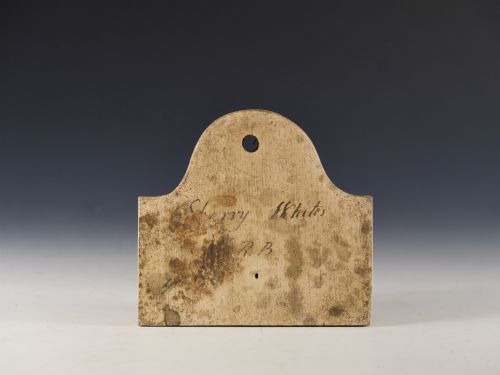
Many wall plaques and chargers feature integrated suspension holes, wire fixtures or fitted frames designed for hanging directly on interior walls. Others rested on mantelpieces or inside cabinets as decorative works of art.
Larger chargers and platters often utilised wooden stands or wall brackets to support their weight safely. Collectors should check the reverse of each piece to understand its original hanging mechanism.
What is the difference between a tile plaque and a charger?
Tile plaques are flat, rigid ceramic squares or rectangles, often framed and created for architectural or wall decoration. They frequently depict single figures, botanical studies or literary scenes.
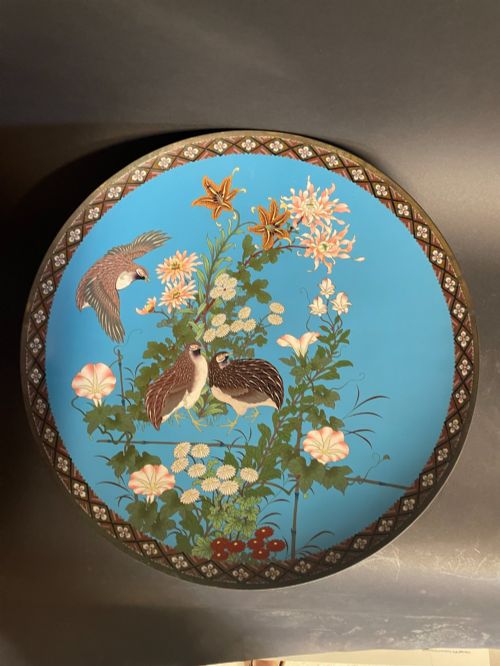
Chargers are large circular dishes with a shallow well and broad rim. While originally intended for formal dining service in earlier centuries, most surviving antique examples were made purely for decorative display.
How do I identify the period of a plaque?
Dating relies on factory marks, artist signatures, backstamps and stylistic clues such as Neoclassical, Art Nouveau or Victorian motifs. Examining the composition of the ceramic body and the style of the hand-painted subject helps narrow down the decade of production.
Reference books and maker mark guides provide specific confirmation for factory-produced items from the nineteenth and early twentieth centuries.
How should I care for a porcelain or earthenware plaque?
Keep ceramic plaques away from direct sunlight to prevent fading in hand-painted enamel and overglaze colours. Dust them gently with a soft, dry cloth without applying harsh cleaning agents or water.
Ensure that any hanging wire or wooden frame remains structurally sound to prevent accidental drops. Secure wall fastenings properly according to the weight of the specific plaque.