






Framed Porcelain Plaque
A framed porcelain plaque brings hand-painted detail and rich ceramic colour to a wall, offering miniature portraits and landscapes set within period surrounds.
Framed Porcelain Plaque
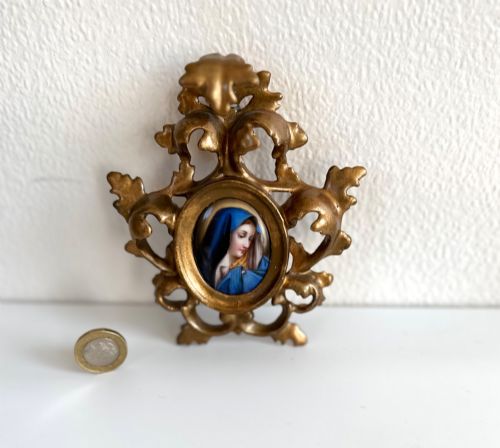
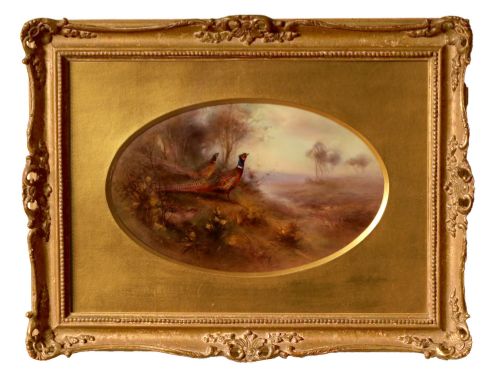
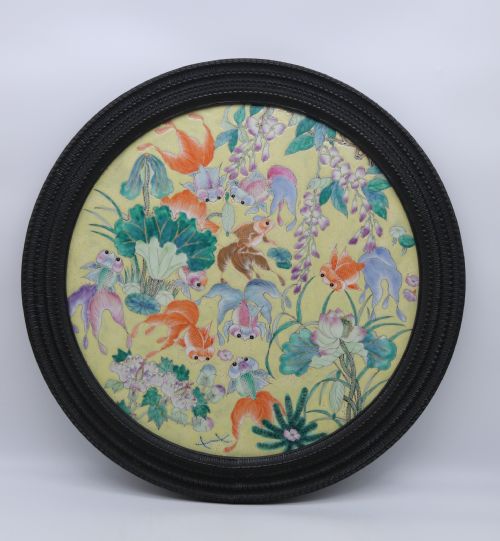
A framed porcelain plaque combines ceramic panels with timber, giltwood or ormolu surrounds, serving as wall art, miniature portraits and decorative wall plaques. The selection spans the nineteenth century through the early twentieth century, taking in Victorian, Edwardian, Art Nouveau and Chinese Republican periods.
Buyers encounter Continental European manufactory works, British factory productions from makers like Royal Worcester and Minton, and Chinese painted panels. The forms range from single vertical portraits to horizontal pairs and framed ceramic tiles.
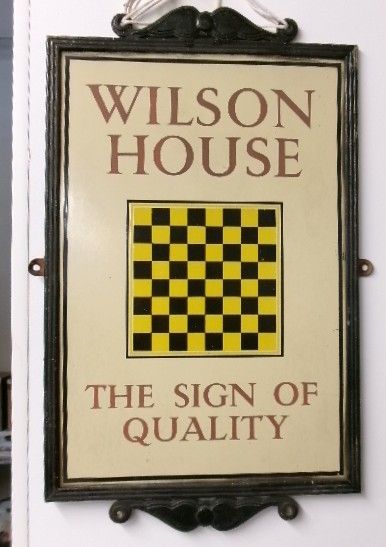
Subjects vary from Renaissance copies and classical figures to botanical studies, birds, aquatic scenes and advertising signs. Most pieces are designed for hanging, while others sit on stands or utilise specialised frames.
Materials and construction
Pieces are built using fired porcelain or ceramic panels mounted within wood, giltwood, glass, enamel and gold leaf frames. Techniques involve hand-painting directly onto the ceramic body, often with pate sur pate or enamel detailing, before firing to fix the pigment.
Surrounds utilise carved timber, ormolu mounts and gilt frames tailored to protect the fragile porcelain edge. Many panels bear artist signatures or factory marks on the reverse before final assembly into their frames.
Materials recorded across the selection include porcelain, enamel, glass, gold leaf and ormolu.
Assessing quality and execution
Quality rests in the precision of the hand-painting, the subtlety of the brushwork on portraiture or botanical studies, and the reputation of the manufactory. Works from established names like KPM, Royal Worcester and Minton display finer detail in facial expressions and tonal transitions.
The integration between the porcelain panel and its surround dictates the overall success of the piece. Well-matched giltwood, carved frames or ormolu mounts complement the ceramic without overpowering the painted scene.
James Stinton·Royal Worcester·KPM·Minton·Richard Ginori
The Framed Porcelain Plaque Glossary
- Pate sur pate
- A method of building up raised white porcelain slip on a coloured ground to create a cameo effect. This technique was favored by nineteenth-century factories such as Minton and Birks.
- Ormolu
- Gilded bronze used for decorative mounts and frames. It provides a heavy, metallic contrast to the smooth porcelain surface.
- Enamel
- Vitrified glass powder fused to a surface through firing. It appears on both the painted plaques and vintage advertising wall signs in the selection.
- Giltwood
- Timber treated with gold leaf or gilding. Frames of this material frequently house nineteenth-century European and Continental plaques.
- Republican period
- A Chinese era spanning the twentieth century producing painted porcelain panels. Pieces from this time often depict traditional aquatic scenes and historical figures.
Framed Porcelain Plaque: Frequently Asked Questions
How do I hang a framed porcelain plaque safely?
Check the weight distribution of the frame and ensure the wall fixing matches the load. Many pieces combine heavy ceramic panels with dense giltwood or ormolu mounts that require secure picture hooks.
Position the plaque away from direct sunlight to preserve the hand-painted enamels and prevent fading on the porcelain surface.
How are nineteenth-century plaques dated?
Examine the reverse of the porcelain panel for factory impressed marks, painted numbers or artist signatures. Stylistic clues such as Victorian revival frames or Art Nouveau motifs also point to specific decades.
Compare the framing style with the painting technique to confirm whether the surround is original to the ceramic piece.
What is pate sur pate?
Pate sur pate involves applying successive layers of liquid porcelain slip to a contrasting background. This builds a translucent, low-relief design before the final kiln firing.
Factory pieces utilising this method require skilled handwork, making them distinct from standard transfer-printed wall art.